
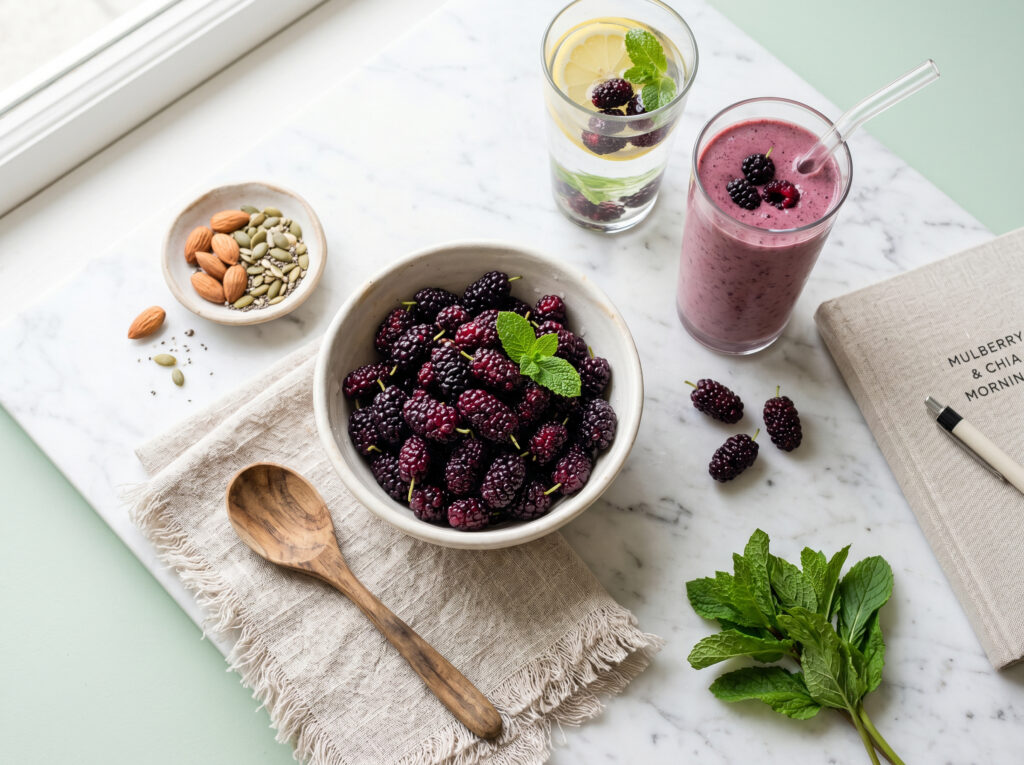
Every summer, somewhere between the mangoes and lychees, there is a fruit that most of us walk right past. Deep purple, impossibly juicy, and staining every finger it touches — the mulberry, or shahtoot as we call it in India, has been eaten for centuries in homes, gardens, and street markets from Kashmir to Maharashtra. And yet, outside of nostalgia, very few people today understand just how powerful this little berry actually is.
If you have been looking to add a genuinely nutrient-dense, locally beloved fruit to your daily routine — especially one that is available fresh in Mumbai during the short summer window — shahtoot deserves far more of your attention than it currently gets.
In this blog, we break down the 7 most important mulberry fruit benefits, explain the science behind each one, and show you exactly how to make the most of shahtoot fruit season in India.
What Is Mulberry (Shahtoot)? A Quick Primer
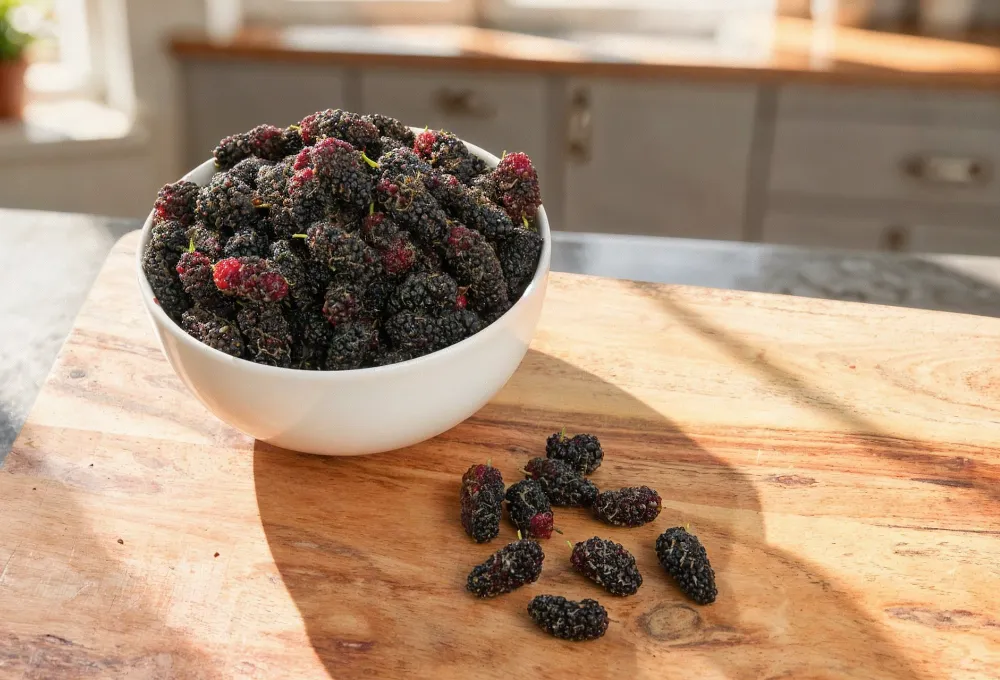
The mulberry fruit — known as shahtoot in Hindi, tuti in Marathi and Punjabi, and kala toot in parts of North India — comes from the Morus family of trees, particularly Morus alba (white mulberry) and Morus nigra (black mulberry). It is a seasonal fruit in India, typically available from late February through April, making it one of the first genuine summer fruits to arrive each year.
The shahtoot has deep roots in South Asian and Persian traditions — the word itself translates roughly to “king of berries” in Persian. Historically, it appears in Ayurvedic texts as a remedy for liver health, blood quality, and digestive support. In modern nutrition science, those old associations are finding new backing.
Nutritional Profile: What Is Inside One Cup of Mulberries?
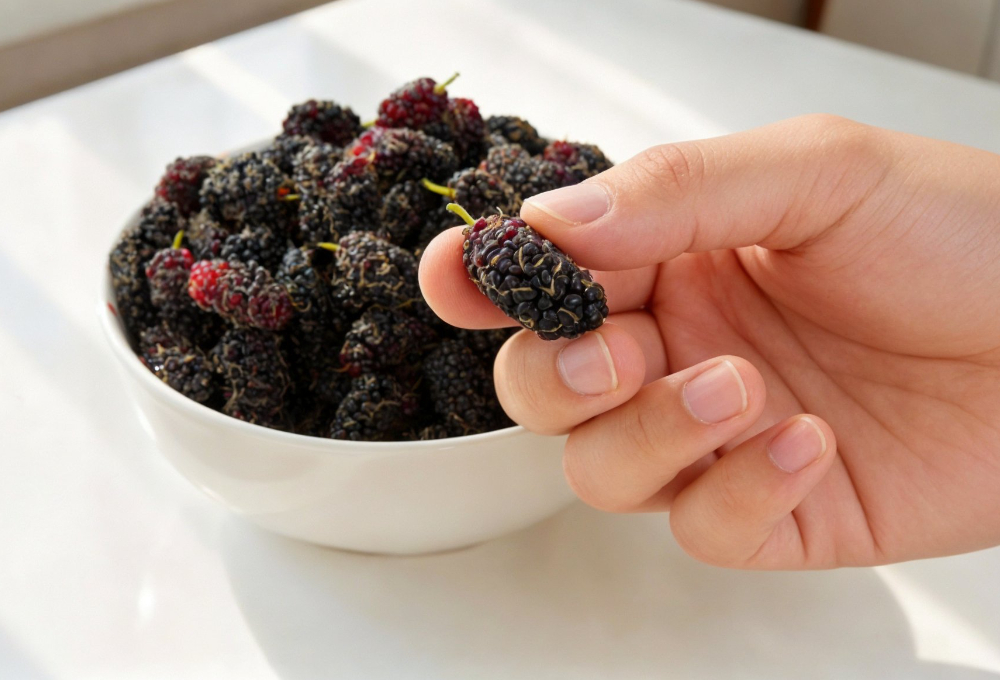
Before we get into the individual shahtoot fruit benefits, it helps to understand what you are actually eating. Mulberries are low in calories but dense in micronutrients — a combination that nutritionists genuinely love.
| Nutrient | Amount (per 1 cup / ~140g) | Why It Matters |
|---|---|---|
| Calories | ~60 kcal | Low-calorie, weight-friendly snack |
| Vitamin C | ~51 mg (56% DV) | Immune support, collagen, iron absorption |
| Vitamin K | ~10 mcg | Bone health, blood clotting |
| Iron | ~2.6 mg | Red blood cell production, energy |
| Potassium | ~272 mg | Heart health, blood pressure |
| Dietary Fibre | ~2.4 g | Digestion, blood sugar balance |
| Anthocyanins | High (especially black variety) | Antioxidant, anti-inflammatory |
| Resveratrol | Present | Heart & longevity benefits |
| Protein | ~2 g | Higher than most berries |
Nutritional values based on USDA FoodData Central data for raw mulberries (~140g / 1 cup).
Polyphenol data (anthocyanins, resveratrol) referenced from Phenol-Explorer Database.
ProFruits Note: The darker the mulberry, the higher its anthocyanin content. When ordering fresh shahtoot in Mumbai, always look for deep purple-black berries — they represent peak ripeness and peak nutrition.
Rich in Antioxidants That Fight Oxidative Stress
If there is one reason health professionals keep returning to mulberry, it is the fruit’s exceptional antioxidant density. Mulberries are packed with anthocyanins, resveratrol, chlorogenic acid, and rutin — compounds that directly neutralise free radicals in the body.
Oxidative stress — the imbalance between free radicals and the body’s ability to counteract them — has been linked to chronic disease, accelerated ageing, and cellular damage. The anthocyanins in black mulberries, which give them their signature deep colour, are among the most potent natural antioxidants available in any seasonal fruit.
Research published in the Antioxidants journal found that mulberry fruit consumption showed measurable effects on oxidative damage markers, supporting its long-standing reputation in traditional Chinese and Ayurvedic medicine.
Why It Matters for Indians
In urban India — particularly in cities like Mumbai, Delhi, and Bengaluru — pollution exposure, irregular sleep, and processed food consumption create substantial oxidative stress. Shahtoot, eaten fresh during its short season, can act as a concentrated natural antioxidant reset. Think of it as your spring detox, but actually delicious.
Supports Blood Sugar Management
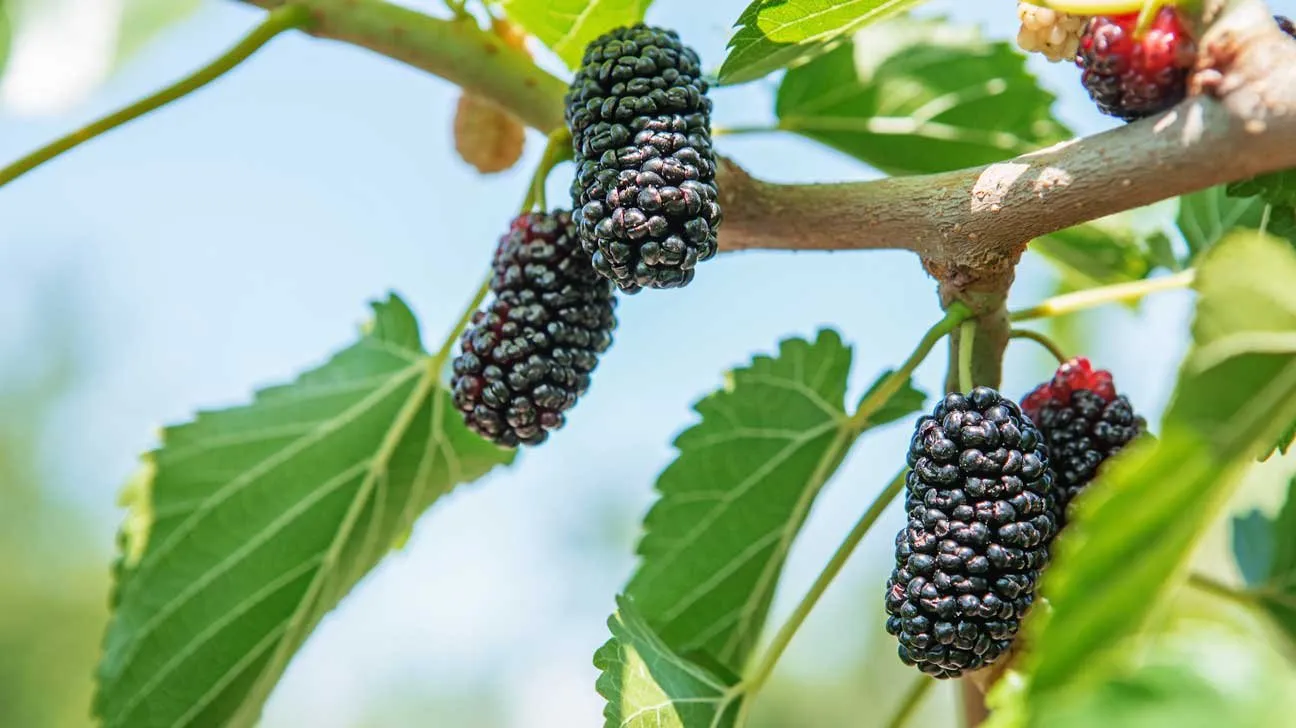
The dietary fibre and polyphenols in shahtoot work together to slow glucose absorption after meals.
India has one of the highest rates of Type 2 diabetes in the world. With that context, the mulberry’s relationship with blood sugar becomes particularly relevant — and particularly Indian.
Mulberries contain dietary fibre that slows sugar absorption in the bloodstream, preventing the rapid post-meal glucose spikes associated with diabetes risk. Beyond fibre, the fruit’s polyphenols — especially chlorogenic acid and anthocyanins — have been shown in multiple studies to inhibit enzymes involved in glucose absorption.
Animal studies cited by PLoS One found that mulberry extract significantly reduced blood sugar levels in diabetic subjects. While human trials are still ongoing, the evidence from traditional medicine and early research is consistent enough to take seriously.
A Practical Example
If you eat a portion of fresh shahtoot 20–30 minutes before or with a meal high in refined carbs (rice, roti, bread), the fibre and polyphenol content may help moderate the glucose response. This is not a replacement for medical treatment — but as a daily food habit, it is an intelligent one, especially during shahtoot season in India.
Boosts Immunity Naturally
One cup of fresh mulberries delivers over 50% of your daily Vitamin C requirement. In a post-pandemic world where immunity has become a daily conversation, that single fact alone makes shahtoot one of the most relevant seasonal fruits you can eat in spring.
Vitamin C stimulates the production and activity of white blood cells, your body’s first line of defence against infections. It also functions as a powerful antioxidant within immune cells, protecting them from the oxidative stress they experience when fighting pathogens.
Beyond Vitamin C, mulberries contain alkaloids that activate macrophages — specialised white blood cells that put the immune system on high alert against health threats. This dual mechanism makes shahtoot fruit benefits particularly significant for immunity: it not only supplies the nutrients needed, it also directly stimulates immune activity.
Mumbai tip: The transition from winter to summer (February–April) is when most Mumbaikars catch seasonal infections. This is exactly when fresh mulberry is in season — nature’s timing at its best.
Promotes Heart Health
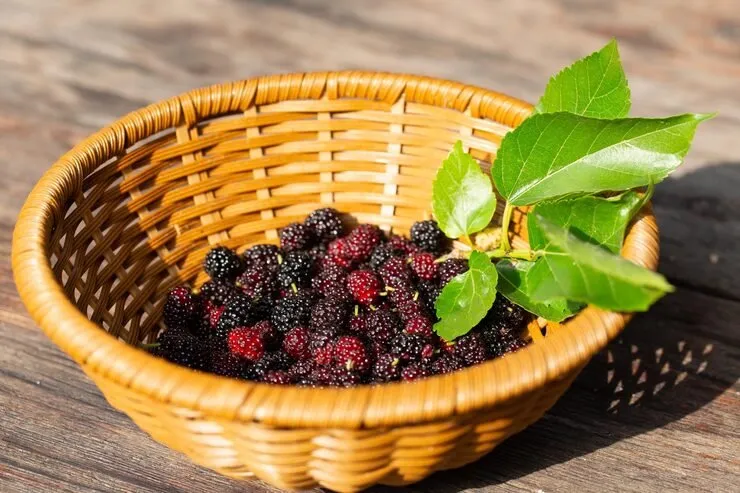
Mulberries contain resveratrol — the same compound celebrated in red wine research — in meaningful natural quantities.
The cardiovascular benefits of shahtoot fruit come from multiple directions simultaneously, which is part of what makes it stand out.
First, resveratrol — a polyphenol present in mulberries — has been the subject of significant research for its ability to reduce inflammation and oxidative stress in blood vessels. Second, anthocyanins have been shown to inhibit the oxidation of LDL (bad) cholesterol, which is one of the primary mechanisms behind arterial plaque formation. Third, the potassium content helps regulate blood pressure by balancing fluid levels in the body.
Research note: A systematic review published in SAGE Journals (2025) confirmed that mulberry exhibits significant lipid-lowering (hypolipidemic) and cardiovascular-protective effects, in addition to its antioxidant activity. The same review noted mulberry’s documented use in traditional medicine for centuries across Asia and its growing scientific validation.
Shahtoot vs. Other Berries for Heart Health
Strawberries and blueberries typically receive more attention for cardiovascular benefits in Western nutrition science. But mulberry, particularly the black variety widely available as shahtoot fruit in India, has rutin concentrations that actually exceed strawberries. Rutin is a flavonoid that reinforces blood vessel walls and reduces vascular inflammation — a genuinely powerful compound that most Indians are not getting enough of.
Supports Digestive Health and Gut Bacteria
Indian diets are often rich in spices and fermented foods — both of which do good things for the gut. Adding shahtoot during its brief season adds another layer of digestive support that is easy to overlook but genuinely valuable.
Mulberries contribute dietary fibre that supports healthy bowel movement and prevents constipation. More interestingly, the polyphenols in mulberry promote the growth of beneficial gut bacteria, particularly Lactobacillus and Bifidobacterium species. This prebiotic effect — feeding the good bacteria already in your gut — has downstream effects on immunity, mood, and metabolic health.
In Ayurvedic tradition, shahtoot has long been used to ease digestive discomfort, support the liver, and improve appetite. Modern nutrition science is now providing the mechanistic explanation for what traditional practitioners observed empirically centuries ago.
Practical Suggestion
Eat fresh mulberries as a standalone snack between meals rather than as part of a large meal. This allows the fibre and polyphenols to move through the digestive tract more efficiently without competing with other foods for enzyme activity.
Good for Skin Health and Anti-Ageing
The beauty industry has discovered mulberry extract — it now appears in a wide range of premium serums and brightening creams. But you can get many of the same compounds simply by eating the fresh fruit.
The reasons for mulberry’s skin benefits are straightforward. Vitamin C is essential for collagen synthesis — the protein that keeps skin firm and elastic. Without adequate Vitamin C, collagen production slows, and skin begins to show the signs of ageing faster. A single cup of fresh shahtoot provides more than half your daily Vitamin C need.
Beyond Vitamin C, the anthocyanins and resveratrol in mulberry protect skin cells from UV-induced oxidative damage — the leading cause of premature skin ageing in a country that receives as much sun exposure as India.
Did you know? Mulberry extract is used in several premium Indian skincare formulations specifically for its ability to inhibit melanin production, helping to even out skin tone naturally. Eating the fruit regularly during season gives you a dietary version of this same benefit.
May Support Brain Function and Memory
This is perhaps the least-known of all shahtoot fruit benefits — but it is one of the most compelling for students, working professionals, and ageing adults.
The antioxidant compounds in mulberry — particularly anthocyanins and resveratrol — help protect brain cells from oxidative damage. Since the brain is particularly vulnerable to oxidative stress (it consumes roughly 20% of the body’s oxygen), antioxidant-rich foods can have a measurable impact on cognitive ageing, memory, and mental clarity.
Research conducted at Khon Kaen University in Thailand found that mulberry fruit extract protected against memory impairment and hippocampal (memory centre) damage in an animal model of vascular dementia. While human clinical evidence is still building, the mechanistic pathway is well-established: protect neurons from oxidative damage, and you protect cognitive function.
For students and working professionals in Mumbai, eating a handful of fresh shahtoot as a mid-morning snack during April exam season is genuinely one of the more thoughtful nutritional decisions you can make.
How to Eat Mulberry: Simple Ideas for Every Day
One of the best things about fresh mulberry is that it requires almost no preparation. The fruit is small, soft, and ready to eat the moment it arrives. Here are a few practical ways to incorporate shahtoot into your daily routine during the season:
Fresh as a Snack
Rinse gently, pat dry, and eat by the handful. This is how most Indians who grew up near a shahtoot tree ate them — and it remains the best way to preserve every antioxidant intact.
Mulberry Smoothie
Blend a cup of fresh shahtoot with cold milk or yoghurt, a small banana, and a few ice cubes. The result is a naturally sweet, deeply purple smoothie that requires no added sugar. Add a teaspoon of flaxseed for an extra fibre boost.
Shahtoot Sharbat (Summer Cooler)
A classic across North India and Pakistan — blend mulberries with cold water, a touch of lemon juice, rock salt, and a few mint leaves. Strain lightly if preferred. One of the most refreshing summer drinks you will find, and genuinely functional from a nutrition standpoint.
Mulberry Yoghurt Bowl
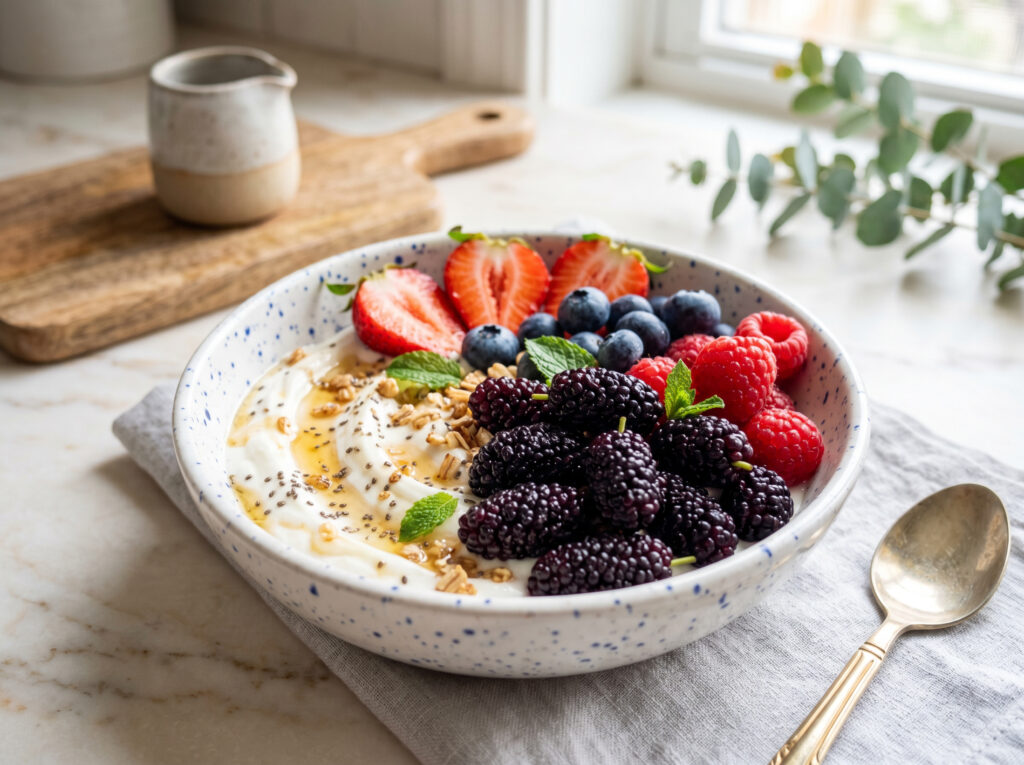
Layer fresh shahtoot over a bowl of good-quality curd or Greek yoghurt. Add a drizzle of honey, a scattering of pumpkin seeds, and a pinch of cinnamon. This makes an outstanding breakfast that combines the probiotic value of yoghurt with the prebiotic polyphenols of mulberry.
Mulberry Jam at Home
If you receive a larger batch of fresh mulberry in Mumbai and cannot eat it all at once, a simple jam made with shahtoot, lemon juice, and minimal sugar will preserve the fruit for weeks and make every morning toast worth waking up for.
Fresh Mulberry in Mumbai: Where and When to Get It
If you are looking for fresh mulberry in Mumbai, timing is everything. Shahtoot season in India typically runs from late February through April, with peak availability in March and early April depending on the year. By mid-April, supplies begin thinning as temperatures rise.
The challenge with mulberry is that it is one of the most perishable fresh fruits — soft, staining, and with a shelf life of just 1–3 days once ripe. This is exactly why most people in Mumbai never get access to genuinely fresh, ripe shahtoot. By the time it reaches traditional retail, it has often been travelling for too long.
ProFruits delivers fresh, hand-selected shahtoot directly to your door across Mumbai. We source during peak season to ensure the berries arrive at optimal ripeness — deep purple, plump, and still carrying every benefit discussed in this article. Order fresh mulberry here →
How to Store Shahtoot Once It Arrives
Do not wash until right before eating. Store in a single layer in the refrigerator — never stack — and consume within 2 days of delivery for peak flavour and nutrition. If you need to extend shelf life, freeze immediately in a single layer on a baking tray, then transfer to a zip-lock bag once frozen. Frozen mulberry retains most of its antioxidant value and is excellent in smoothies.
FAQs About Shahtoot Fruit Benefits
1. What is the difference between mulberry and shahtoot?
There is no botanical difference — shahtoot is simply the Hindi/Urdu/Persian name for mulberry, specifically the large-fruited variety (often Morus nigra or Morus alba) beloved across South and Central Asia. In India, the term shahtoot usually refers to the long, dark purple variety rather than the smaller white mulberry.
2. Are mulberry fruit benefits the same as shahtoot benefits?
Yes, completely. Shahtoot and mulberry refer to the same fruit. The health benefits described in this article apply to both the white and black varieties, though the darker (black) shahtoot generally has higher anthocyanin content and stronger antioxidant activity.
3. Can diabetics eat mulberry (shahtoot)?
In moderation, yes. While mulberries contain natural sugars, their fibre content and glycaemic-lowering polyphenols mean they have a relatively moderate glycaemic impact. However, individuals managing diabetes should consult their doctor before significantly increasing any fruit in their diet.
4. When is mulberry season in India?
Mulberry season in India typically runs from late February to mid-April, with peak availability in March. It is one of the earliest summer fruits to appear, before the main mango season begins. Availability varies by region — Maharashtra, Himachal Pradesh, Uttar Pradesh, and Punjab are major producing areas.
5. Where can I buy fresh mulberry in Mumbai?
Fresh, ripe shahtoot can be hard to find in standard Mumbai retail due to its short shelf life. ProFruits delivers premium fresh mulberry directly to your door across Mumbai during the season. Check current availability here.
6. How many mulberries should I eat per day?
A serving of around 80–120g (roughly a small cup) per day is a reasonable daily intake. This delivers meaningful amounts of Vitamin C, iron, and antioxidants without excessive natural sugar. Eating more during the short season is generally fine for healthy individuals.
7. Is dried mulberry as nutritious as fresh shahtoot?
Dried mulberry retains most minerals (iron, potassium) and fibre but loses some Vitamin C and heat-sensitive antioxidants during the drying process. It is also more calorie-dense by weight due to water removal. Fresh shahtoot, when available, is nutritionally superior — but dried mulberry is a useful year-round alternative.
Conclusion: Why Shahtoot Deserves a Spot in Every Indian Summer
There is something quietly brilliant about a fruit that has been eaten across India for centuries and is only now getting the scientific attention it deserves. Mulberry — our beloved shahtoot — is not an exotic import or a health store novelty. It is a deeply familiar fruit with an extraordinary nutritional profile: antioxidants that rival blueberries, blood sugar benefits relevant to one of the world’s largest diabetic populations, and a flavour that makes eating well feel like an indulgence rather than a discipline.
The seven mulberry fruit benefits covered in this blog — from antioxidant activity and immune support to heart health, digestive wellness, and cognitive protection — represent a genuine case for treating shahtoot as a seasonal priority rather than an occasional curiosity.
And given that fresh mulberry season in India is short, the best next step is a simple one: order fresh shahtoot while it is still available, eat it daily for the weeks it is in season, and let your body experience the difference that a genuinely seasonal, genuinely nutritious fruit can make.

Hi, I’m Tanish Hingorani, a Business student with a passion for food, flavour, and everything that makes eating an experience worth talking about. As a baker, I bring a hands-on understanding of ingredients, quality, and the art of turning something simple into something extraordinary — which is exactly what drives my love for exotic and premium fruits. Through my blogs on ProFruits, I share honest insights, practical guides, and fresh perspectives on how the right fruits can transform your health, your kitchen, and your gifting game. Whether I’m breaking down the best seasonal picks in Mumbai or exploring the world of imported exotics, my goal is to make every read genuinely useful and every order feel like the right one.