

Fruits that help sleep are among the most underused natural tools for dealing with poor rest. If you spend 20 minutes scrolling at night, wake up at 3 AM, or feel groggy every morning — several specific fruits contain compounds that actually improve sleep quality in ways most people in India are not aware of. This guide explains the science and the six most effective options available from ProFruits.
How fruit can improve sleep
Your body produces melatonin — the hormone that triggers sleep — from an amino acid called tryptophan, with help from Vitamin B6 and magnesium. Fruit does not just deliver sugar; specific varieties provide naturally occurring melatonin, tryptophan precursors, and the cofactors needed to convert them into sleep-inducing hormones.
Research published in the Journal of Agricultural and Food Chemistry and multiple studies on Jerte Valley cherries and kiwifruit have demonstrated that consuming these fruits 1 hour before bed measurably increases total sleep time, reduces the time it takes to fall asleep, and improves sleep efficiency. This is not folk wisdom — it is clinical data.
Why You Should Care About Your Sleep Nutrition
The average urban Indian adult gets 6 hours 20 minutes of sleep per night, against a recommended 7–9 hours. Chronic sleep deprivation does not just make you tired — it meaningfully increases the risk of cardiovascular disease, type 2 diabetes, obesity, poor immunity, and cognitive decline. Sleep is the single most impactful recovery mechanism your body has.
Most sleep advice focuses on screens, caffeine, and bedroom temperature. These matter. But few people know that what you eat in the 1–2 hours before bed — particularly fruit with natural melatonin — can directly influence how fast you fall asleep and how deeply you stay asleep.
What happens when your sleep is disrupted
The 6 Best Fruits for Sleep — Ranked by Research
Ranked from most evidence-backed for sleep improvement to most practically useful. All are available from ProFruits in Mumbai.
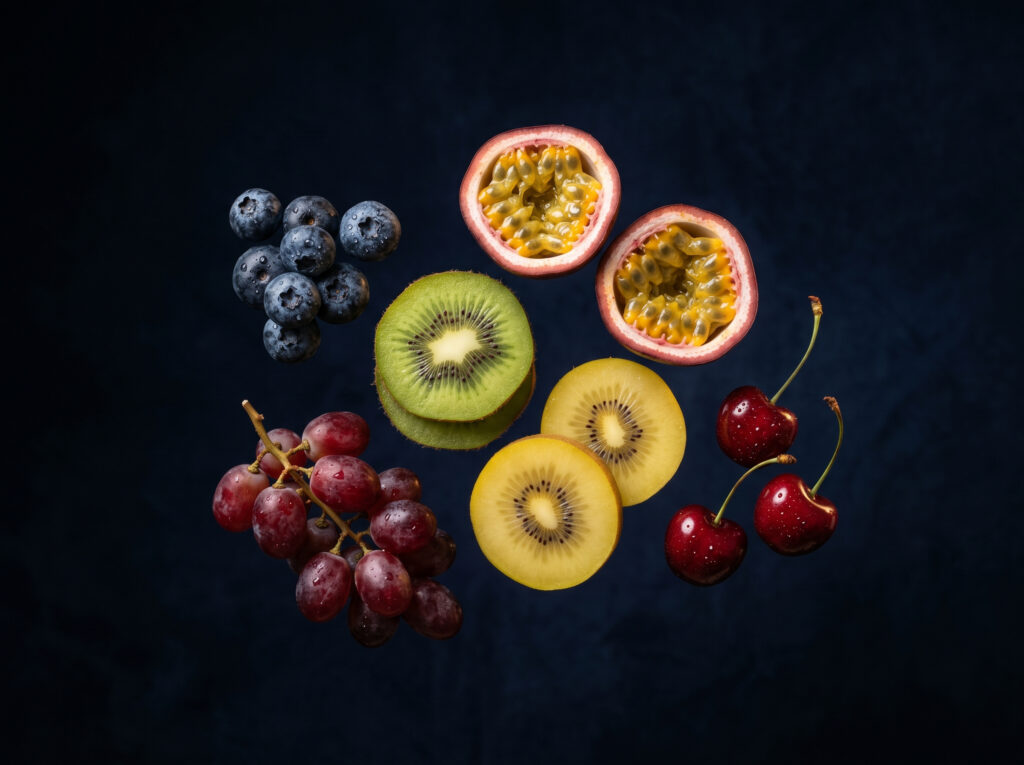
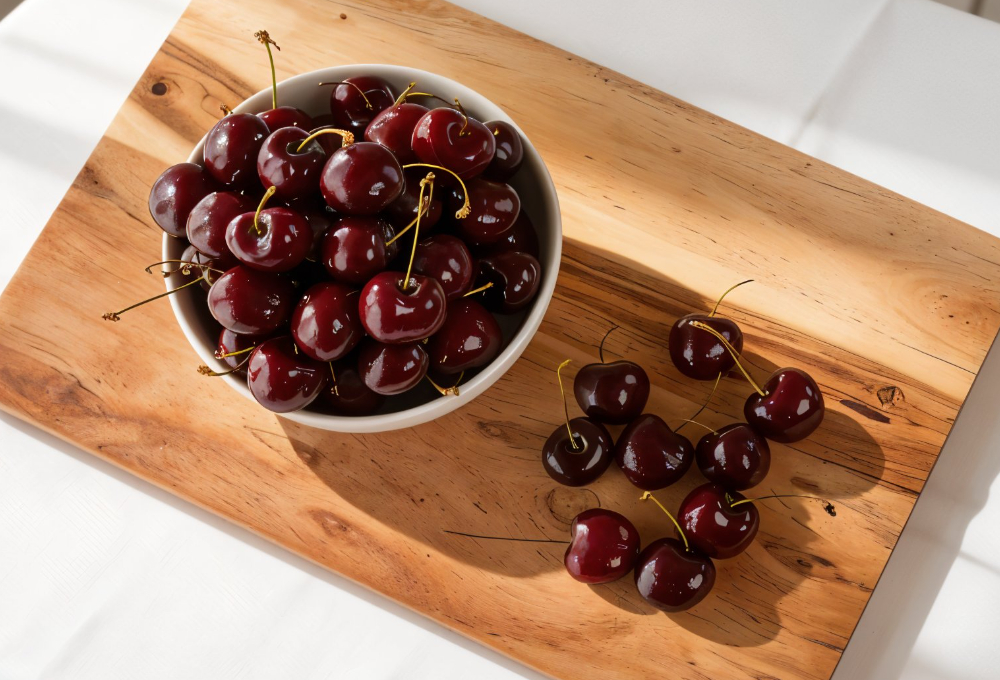
Red cherries are the single most evidence-backed fruit for sleep improvement. They contain one of the highest concentrations of naturally occurring melatonin found in any food, and multiple clinical trials have specifically studied their sleep benefits.
What the research shows
A study from the Journal of Medicinal Food found that adults who consumed 240ml of tart cherry juice twice daily slept an average of 84 minutes longer than those drinking a placebo. Separate research on whole fresh cherries showed measurably elevated melatonin levels in the bloodstream within 1 hour of consumption. The effect is real and repeatable.
100–150g of fresh red cherries, 1 hour before bed. Do not combine with sugar, alcohol, or caffeine during this window — they counteract the melatonin effect.
Why it works: Beyond melatonin, cherries contain tryptophan (the precursor your body uses to make its own melatonin), potassium (which relaxes muscles), and anthocyanins (which reduce nighttime inflammation). This multi-compound effect is why cherries outperform single-compound supplements.
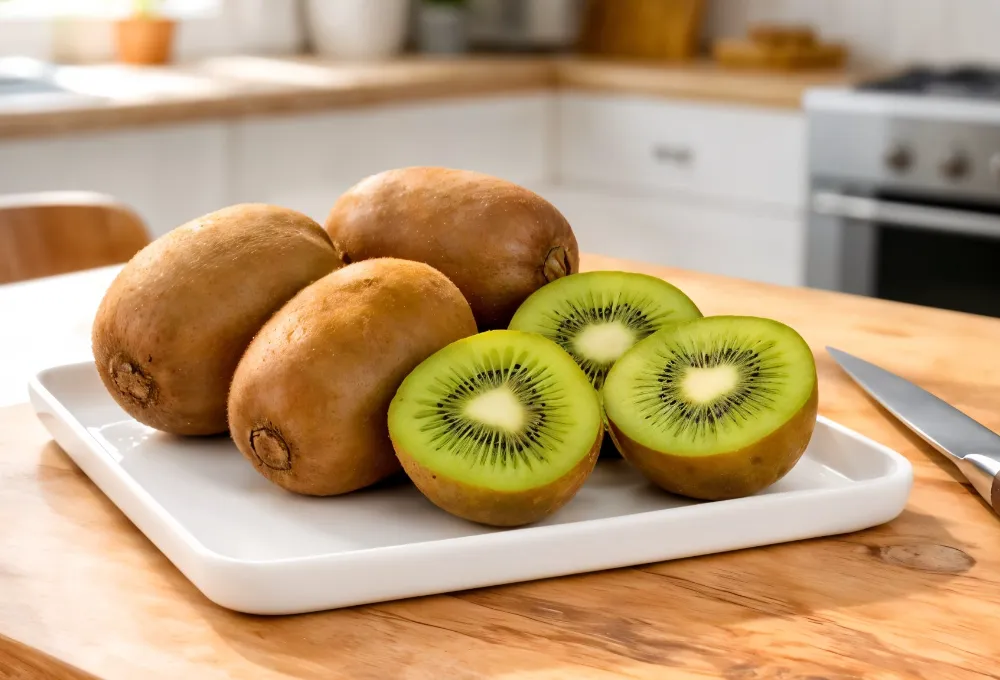
Green kiwi is the second most clinically studied fruit for sleep, and the research comes from a specific, well-designed trial at Taipei Medical University that is frequently cited in sleep nutrition literature.
What the research shows
The Taipei trial involved 24 adults with sleep issues, who ate 2 kiwifruits 1 hour before bed for 4 weeks. Results: sleep onset time decreased by 35%, total sleep duration increased by 13%, and sleep efficiency improved by 5%. Kiwi contains notably high serotonin levels, which is converted in the brain to melatonin at night — a different mechanism from cherries but equally effective.
2 green kiwis, 1 hour before bed, every night for at least 2 weeks. The effect is cumulative — it gets stronger with consistent daily use, not just one-off consumption.
Why it works: Kiwi is unusually high in serotonin for a fruit. It also contains Vitamin C and folate — both cofactors needed for serotonin-to-melatonin conversion. The fibre content is low enough that it does not disrupt digestion before bed.
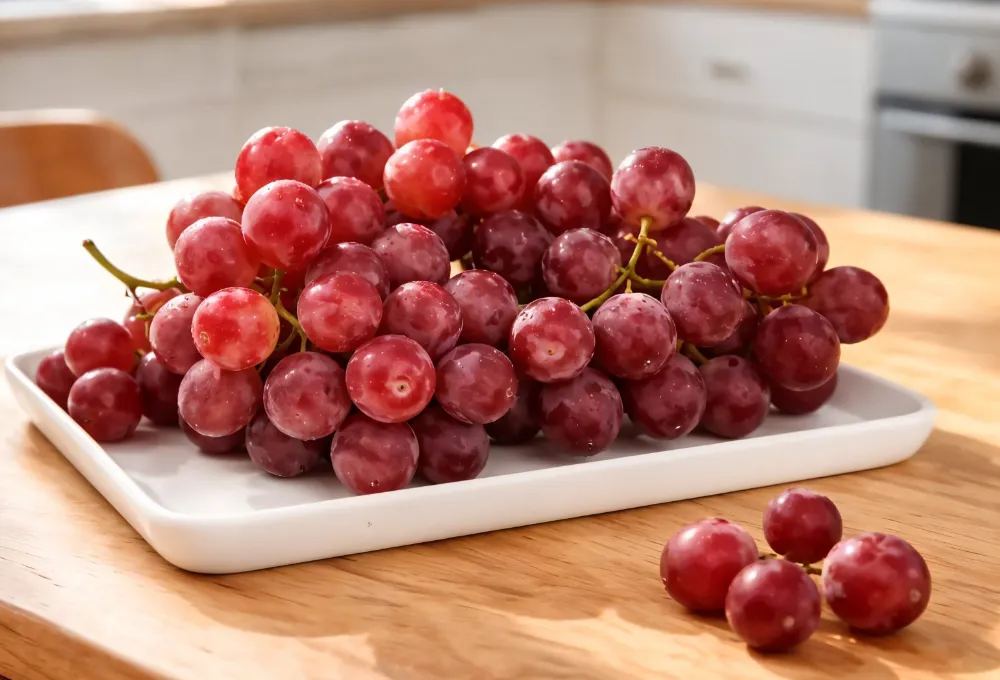
Red grapes are an unexpectedly strong sleep fruit that almost nobody in India associates with rest. Research has consistently found that red grapes contain more naturally occurring melatonin than most fruits commonly eaten at night.
What the research shows
A study in the Journal of Pineal Research analysed melatonin content across common fruits. Red-skinned grape varieties consistently ranked among the top melatonin-containing fruits, ahead of most berries and significantly ahead of tropical fruits. The skin is where most of the melatonin and resveratrol sit — so always eat grapes with the skin on.
A small handful (around 100g, or 15–20 grapes) 45 minutes before bed. Chill them first — cold grapes are more satisfying and less likely to trigger a sugar spike.
Why it works: The combination of melatonin and resveratrol is unique to grapes. Resveratrol supports the SIRT1 pathway involved in circadian rhythm regulation — meaning grapes not only help you fall asleep tonight, but may also help normalise disrupted sleep cycles over time.
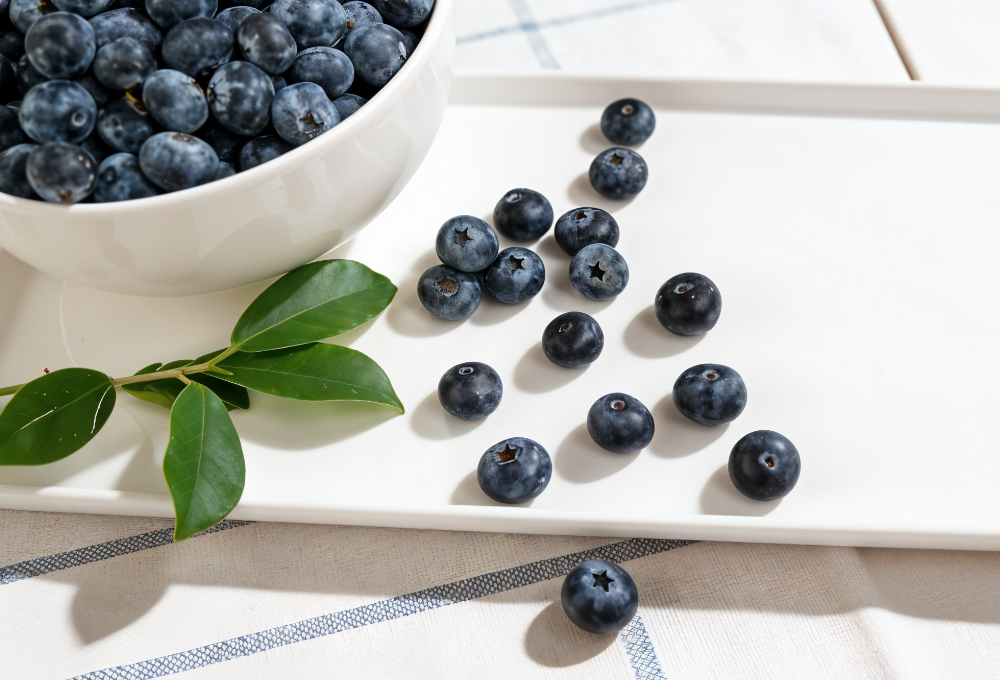
Blueberries are not the highest in direct melatonin, but they are exceptional at supporting the deep sleep stages where your body actually recovers. Their anthocyanin content reduces inflammation, and inflammation is a major cause of fragmented, restless sleep.
What the research shows
Blueberries do not make you fall asleep faster. What they do is improve the quality of the sleep you already get — particularly by reducing the inflammatory markers that disrupt REM and deep sleep stages. For people who fall asleep fine but wake up feeling unrested, blueberries are the more useful fruit than cherries.
75–100g of blueberries with Greek yoghurt, 2 hours before bed. The yoghurt provides tryptophan; the blueberries provide the anti-inflammatory support. This combination is particularly effective.
Why it works: Systemic inflammation — the kind caused by processed food, stress, and intense exercise — is a major driver of poor sleep quality. Blueberries contain one of the highest anthocyanin concentrations of any food, which neutralises this inflammation overnight.
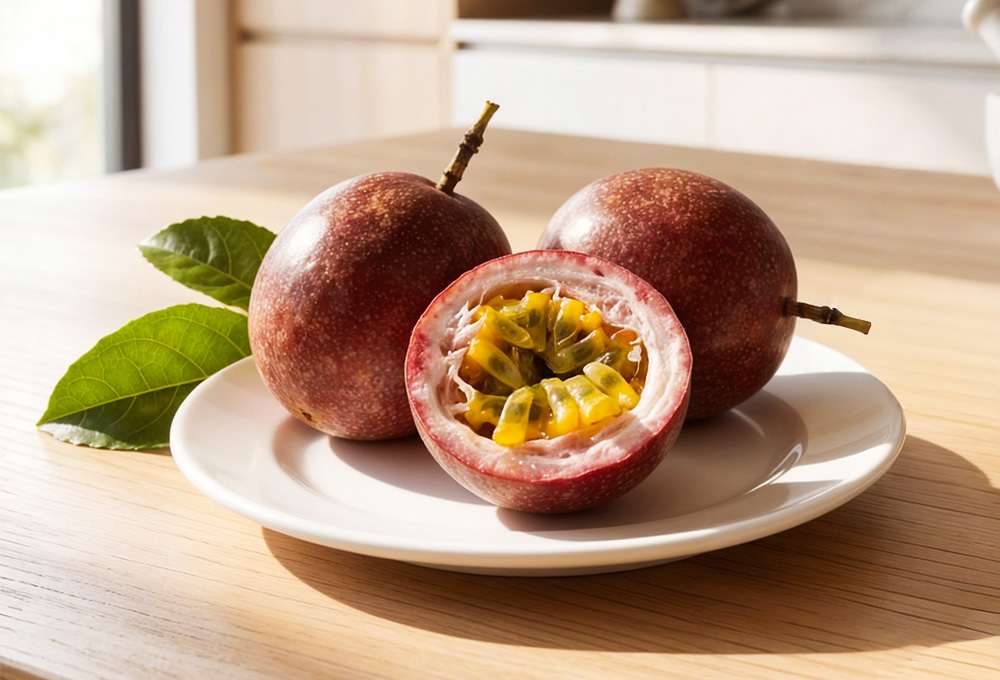
Passion fruit is the best sleep option for people whose problem is racing thoughts or mild anxiety at bedtime rather than physical exhaustion. It contains compounds that mildly support GABA activity — the neurotransmitter your brain uses to quiet itself down.
What the research shows
Passion fruit flower (Passiflora incarnata) has been studied as a herbal sleep aid for decades. The fruit itself contains lower but still meaningful concentrations of the same alkaloids that support relaxation and reduce anxious overthinking. It is also rich in magnesium — a mineral that is deficient in most Indian diets and directly required for muscle relaxation before sleep.
2–3 passion fruits, scooped with a spoon, 45 minutes to 1 hour before bed. Pair with chamomile tea for a compounded calming effect.
Why it works: The magnesium in passion fruit supports the neuromuscular relaxation required for sleep onset. If your problem is that your body is tired but your mind is still racing, this is the fruit for you — the effect is mild but noticeable.
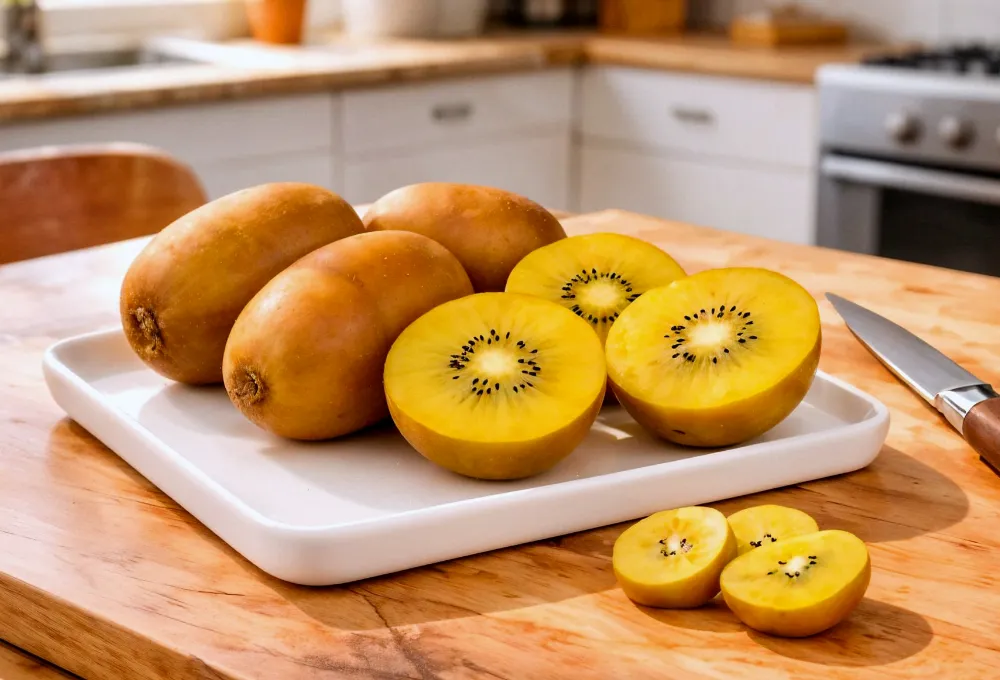
Golden kiwi offers similar sleep benefits to green kiwi but with a sweeter, easier-to-eat profile. For people who find green kiwi too tart to eat before bed, golden kiwi is a better fit.
What the research shows
Golden kiwi shares the same serotonin-boosting mechanism as green kiwi. It has more Vitamin C (an essential cofactor in serotonin-to-melatonin conversion), lower acidity for people with sensitive stomachs, and a sweeter flavour that makes it easier to integrate into a nightly routine.
2 golden kiwis, 1 hour before bed. Scoop with a spoon directly from the skin. Consistent daily use over 2–4 weeks produces the strongest effect.
Fruits With Natural Melatonin — Quick Ranking
Ranked by overall effectiveness for improving sleep, based on research evidence and practical use.
| Rank | Fruit | Best For | Portion |
|---|---|---|---|
| 1 | Red Cherry | Falling asleep faster | 100–150g |
| 2 | Zespri Green Kiwi | Daily consistent sleep improvement | 2 kiwis |
| 3 | Red Flame Grapes | Circadian rhythm regulation | 100g |
| 4 | OZblu Blueberry | Sleep quality (not speed) | 75–100g |
| 5 | Passion Fruit | Racing thoughts, mild anxiety | 2–3 fruits |
| 6 | Zespri Golden Kiwi | Easier alternative to green kiwi | 2 kiwis |
Nutritional and melatonin data sourced from the USDA FoodData Central database and peer-reviewed studies on fruit-based sleep improvement indexed in PubMed.
A 30-Minute Wind-Down Routine Using These Fruits
Here is a simple, practical routine that uses fruits to help you fall asleep — tested over 30 minutes before bed. Do this for 2 weeks and measure the difference yourself.
The ProFruits Wind-Down Sequence
60 minutes before bed → Bedtime
2 green kiwis, 100g of cherries, or 100g of red grapes. Do not combine with caffeine, alcohol, or heavy food.
Exposure to bright light after eating your fruit will blunt the melatonin effect. Switch to warm low lighting.
Drink 150–200ml of water. After this, stop. Fluids closer to bed disrupt sleep through nighttime waking.
Blue light from phones suppresses melatonin directly. Your fruit-induced melatonin needs these 15 minutes to build up.
You should fall asleep within 10–20 minutes. If this routine is done consistently, the effect compounds over 2–4 weeks.
Common Mistakes to Avoid
Eating too much fruit, too close to bed
More is not better. A large quantity of fruit close to bedtime causes a sugar spike that disrupts sleep rather than supporting it. Stick to the recommended portions.
Combining fruit with caffeine
If you drink tea or coffee after 4 PM, the caffeine is still in your system at bedtime and will directly block melatonin receptors. Your fruit will not work. Cut caffeine by afternoon if you want these fruits to have their full effect.
Expecting results on the first night
Cherries can work immediately, but kiwi and grapes show compound effects — they work better after 2 weeks of daily use than on day one. Consistency is the key variable.
Eating canned or juiced versions
Bottled cherry juice with added sugar will not work — the sugar spike cancels the melatonin benefit. Canned fruits lose most of the key compounds during processing. Always use fresh fruit.
The practical takeaway: Choose one fruit from this list based on your specific sleep issue. Eat it consistently at the right time for 2 weeks. If you do not notice an improvement, switch to a different fruit from the list — different mechanisms work for different people.
Build Your Sleep Fruit Routine
All 6 fruits in this guide are available from ProFruits — cold-chain sourced, next-day delivered to Mumbai. Start with cherries or green kiwi and measure the difference in 2 weeks.
🌛 Browse Sleep-Friendly FruitsFrequently Asked Questions
Which fruit is best to eat before bed for sleep?
Red cherries are the single most evidence-backed fruit for sleep. They contain the highest natural melatonin levels of any commonly available fruit and have been studied in multiple clinical trials. Green kiwi is the strongest daily-habit option, with research showing measurable improvements after 2–4 weeks of consistent use.
Do fruits that help sleep work as well as melatonin supplements?
Not at the same intensity as a high-dose supplement, but with fewer side effects and more sustainable long-term use. Fruits deliver melatonin along with the cofactors your body needs to produce its own melatonin naturally. Supplements only deliver external melatonin, which can disrupt your body’s own production over time.
How long before bed should I eat fruits to help me fall asleep?
For cherries and grapes, 45–60 minutes before bed. For kiwi, exactly 1 hour before bed — this is the timing used in the clinical trials. For blueberries, 1–2 hours before bed. Eating too close to bedtime (under 30 minutes) can actually disrupt sleep due to digestion.
What fruits have the highest natural melatonin content?
Tart cherries lead by a significant margin, followed by sweet red cherries, red grapes with skin on, tomatoes, and strawberries. Among fruits available through ProFruits, red cherries and red flame grapes are the highest-melatonin options.
Where can I buy these fruits in Mumbai?
ProFruits delivers all 6 fruits in this guide to Mumbai with next-day delivery. Red cherries, Zespri kiwi, Red Flame grapes, OZblu blueberries, and passion fruit are all cold-chain sourced and ready to eat on arrival.

Hi, I’m Tanish Hingorani, a Business student with a passion for food, flavour, and everything that makes eating an experience worth talking about. As a baker, I bring a hands-on understanding of ingredients, quality, and the art of turning something simple into something extraordinary — which is exactly what drives my love for exotic and premium fruits. Through my blogs on ProFruits, I share honest insights, practical guides, and fresh perspectives on how the right fruits can transform your health, your kitchen, and your gifting game. Whether I’m breaking down the best seasonal picks in Mumbai or exploring the world of imported exotics, my goal is to make every read genuinely useful and every order feel like the right one.