
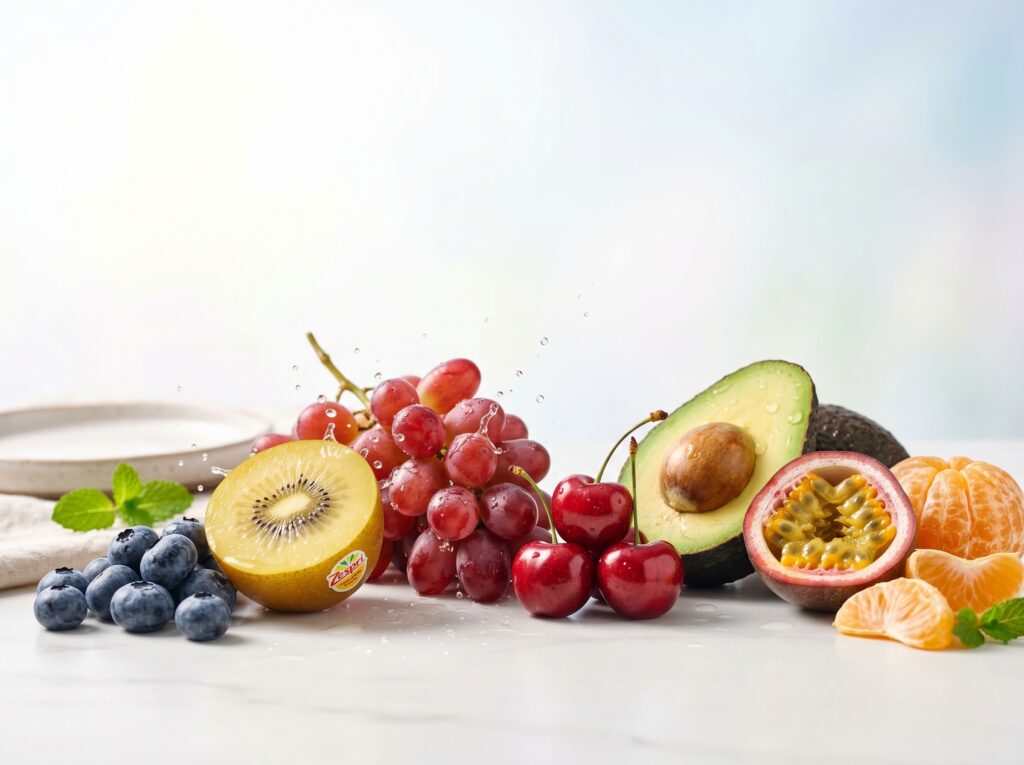
Fruits for high blood pressure is not a topic most Indian cardiologists discuss in any detail during a 10-minute consultation. You get told to reduce salt, avoid stress, and take your medication. What you rarely get is specific, actionable nutrition advice — particularly around which fruits contain the compounds that directly support healthy blood pressure, and at what quantities they need to be eaten to make a measurable difference.
This guide covers 7 fruits available from ProFruits that are genuinely useful for people managing hypertension — not through vague “eat more fruit” advice, but through specific compounds, specific mechanisms, and specific daily amounts backed by published research.
Medical disclaimer: This guide is for informational purposes only and is not medical advice. If you have been diagnosed with hypertension or are taking blood pressure medication, consult your doctor before making dietary changes. Fruit consumption supports — but does not replace — prescribed treatment.
Understanding Blood Pressure — and Where Fruit Fits In
Normal Blood Pressure
120/80
Systolic (top number) below 120 mmHg. Diastolic (bottom number) below 80 mmHg. This is the target range for most adults.
High Blood Pressure (Hypertension)
140/90+
Consistently above 140/90 mmHg. Significantly increases risk of stroke, heart attack, and kidney disease. Affects 1 in 3 Indian adults over 40.
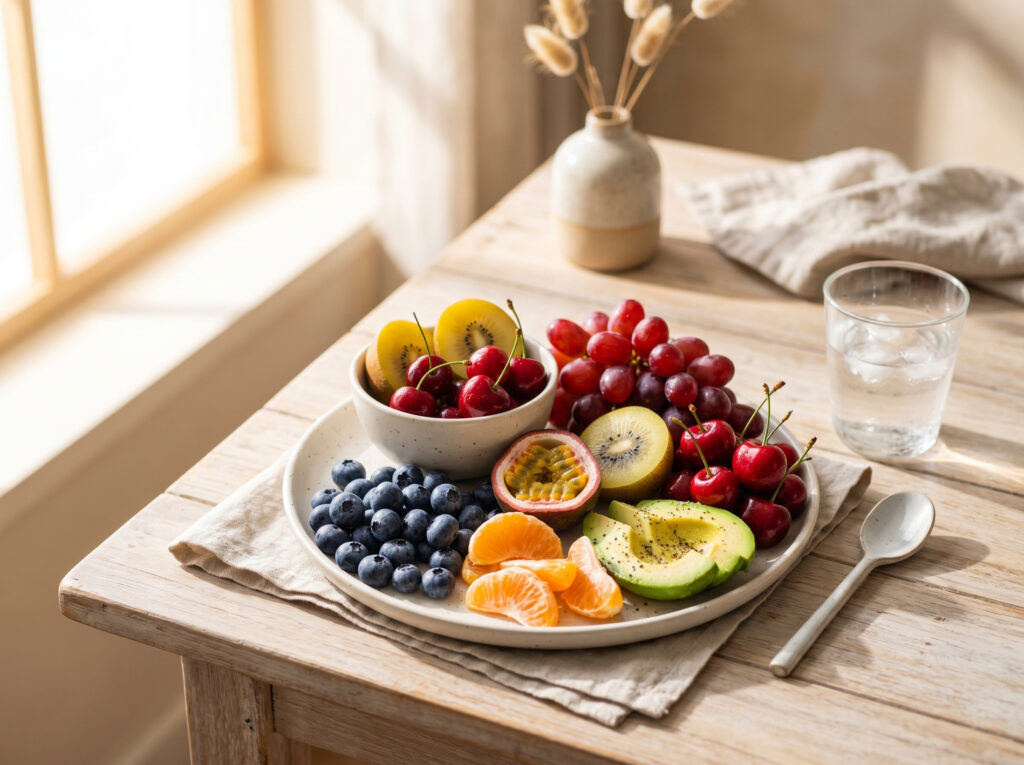
Fruit lowers blood pressure primarily through three mechanisms. Understanding which mechanism each fruit uses helps you choose the right combination for your specific situation.
Potassium
Counteracts sodium in the kidneys, causing excretion of excess fluid that raises blood pressure.
Nitrates
Converted to nitric oxide in the body, which relaxes and widens blood vessel walls directly.
Flavonoids
Reduce arterial stiffness and inflammation, improving blood vessel elasticity over time.
7 Best Fruits for High Blood Pressure Available in Mumbai
 No. 01
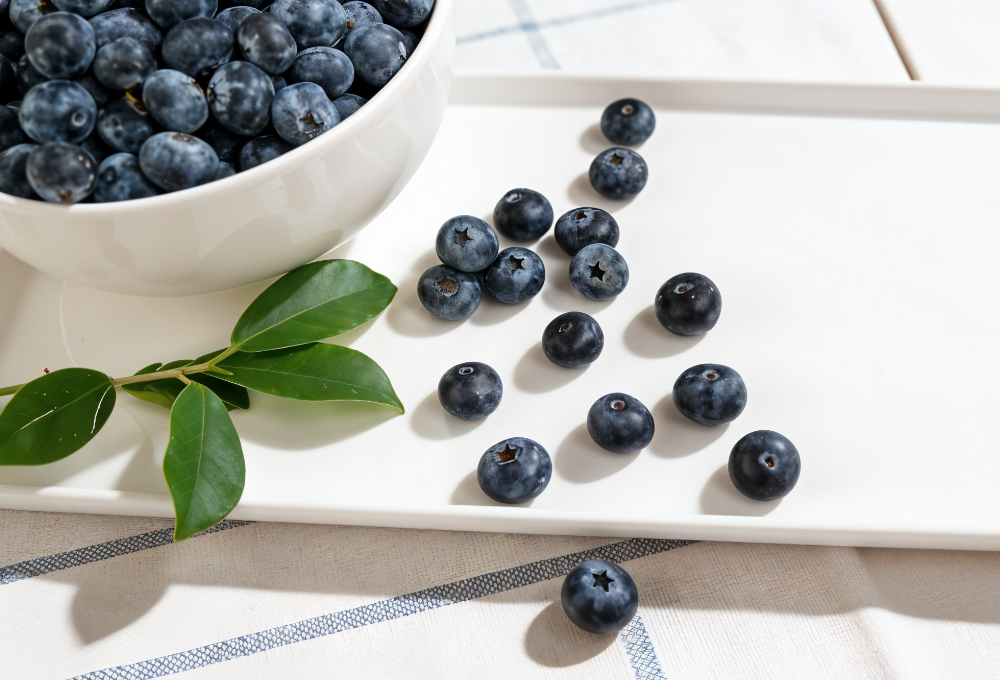
OZblu Blueberry
🇦🇺 Australia · The strongest evidence
Blueberries have the strongest scientific evidence of any fruit for blood pressure reduction. A landmark 8-week trial published in the Journal of the Academy of Nutrition and Dietetics found that daily blueberry consumption reduced systolic blood pressure by an average of 5 mmHg in postmenopausal women with pre-hypertension. 5 mmHg is the equivalent reduction achieved by moderate aerobic exercise.
 No. 02
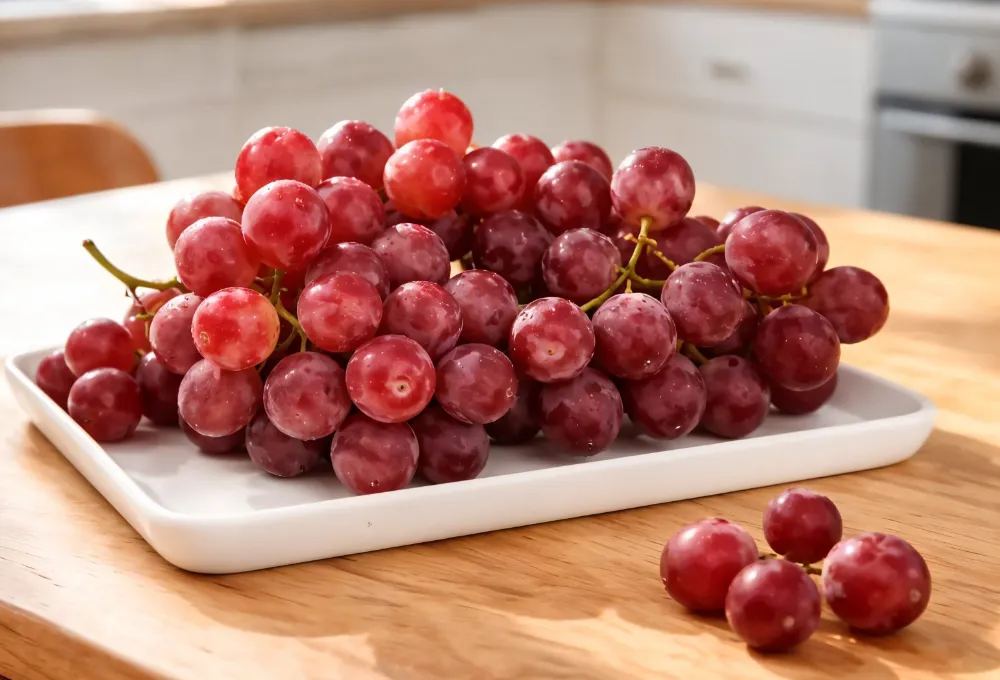
Red Flame Grapes
🇺🇸 USA · Resveratrol + potassium
Red grapes work through two separate pathways simultaneously: resveratrol (in the skin) relaxes arterial walls by stimulating nitric oxide production, while the potassium content counteracts sodium and supports kidney-mediated fluid regulation. Always eat with the skin — this is where both resveratrol and the majority of potassium sit.
 No. 03
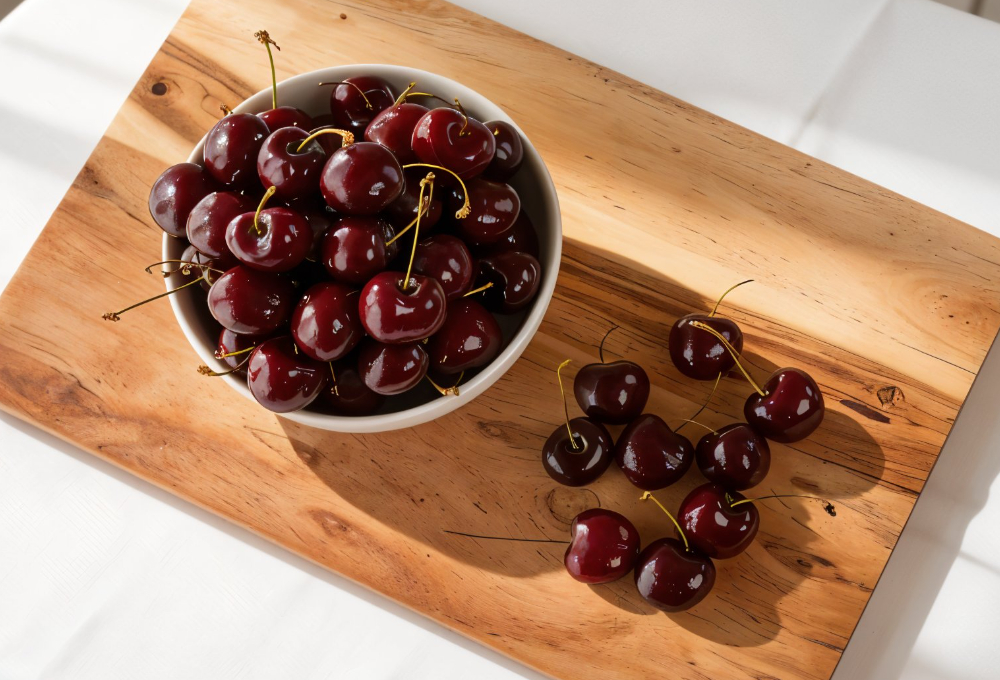
Red Cherry
🇨🇱 Chile · Anthocyanins + anti-inflammatory
Cherries contain some of the highest anthocyanin concentrations of any fruit. Anthocyanins improve endothelial function — the health of the cells lining your blood vessels — which directly affects vascular resistance and therefore blood pressure. Research in hypertensive adults has shown cherry consumption measurably reduces both systolic and diastolic readings.
 No. 04
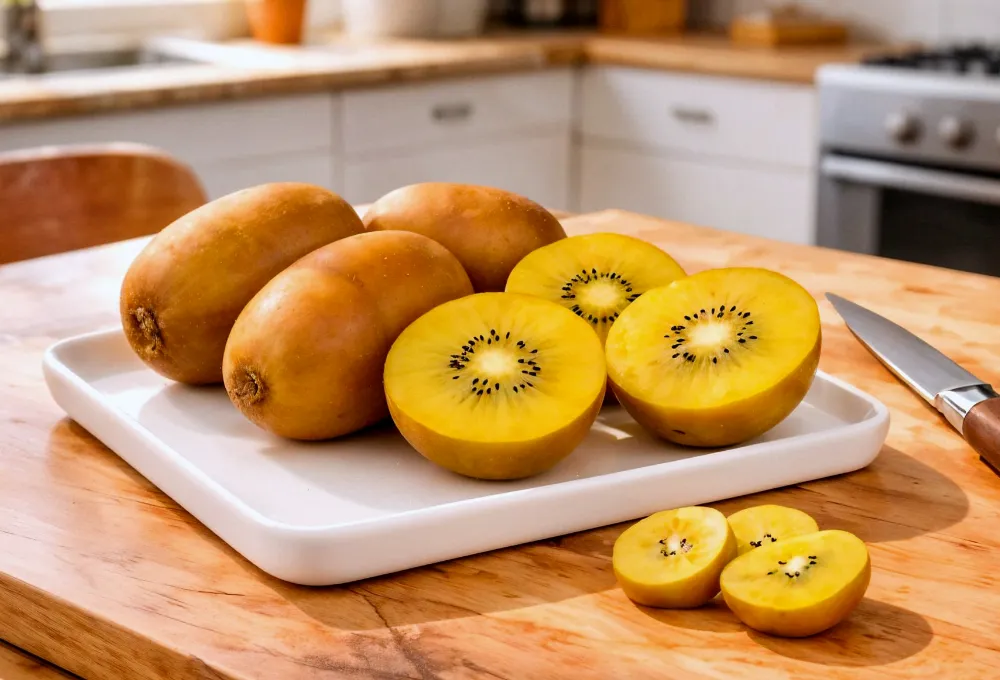
Zespri Golden Kiwi
🇳🇿 New Zealand · Vitamin C + potassium
A Norwegian randomised controlled trial found that eating 3 kiwis per day for 8 weeks reduced systolic blood pressure by 3.6 mmHg compared to eating one apple per day. Kiwi’s combination of potassium, Vitamin C, and lutein creates a synergistic effect on blood vessel health that is stronger than any single compound alone. Golden kiwi is higher in Vitamin C than green kiwi, making it the preferred variety for blood pressure management.
 No. 05
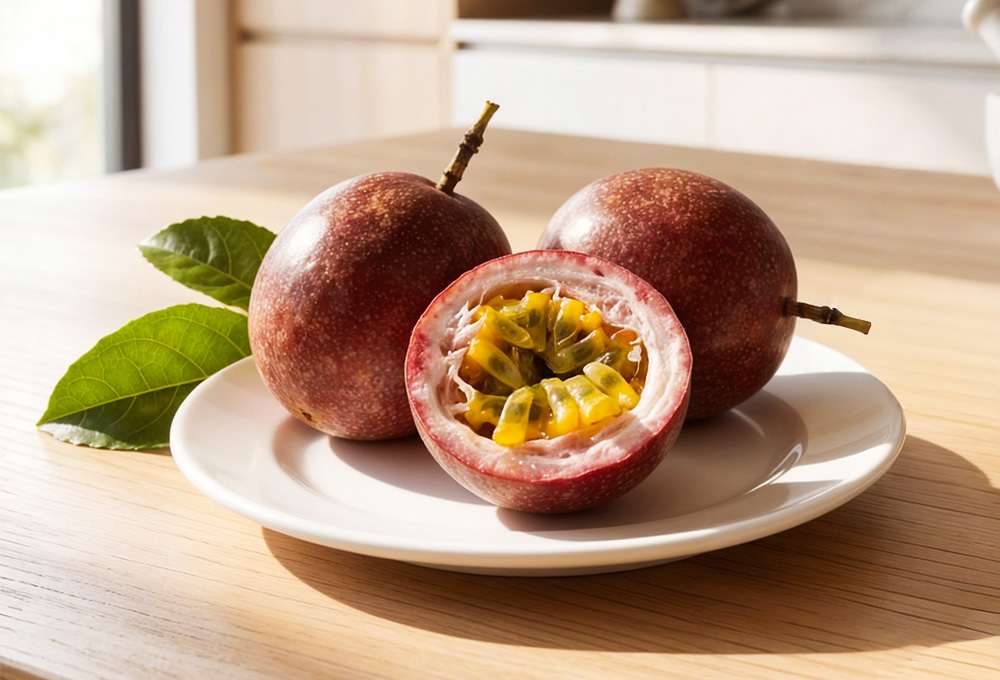
Passion Fruit
🇧🇷 Brazil · Highest potassium on this list
Passion fruit has the highest potassium content of any fruit on this list at 348mg per 100g. Potassium is the most evidence-backed single mineral for blood pressure reduction — it works by causing the kidneys to excrete more sodium, which directly reduces the fluid volume that drives high blood pressure. The magnesium content additionally relaxes arterial smooth muscle, which reduces vascular resistance independently of sodium.
 No. 06
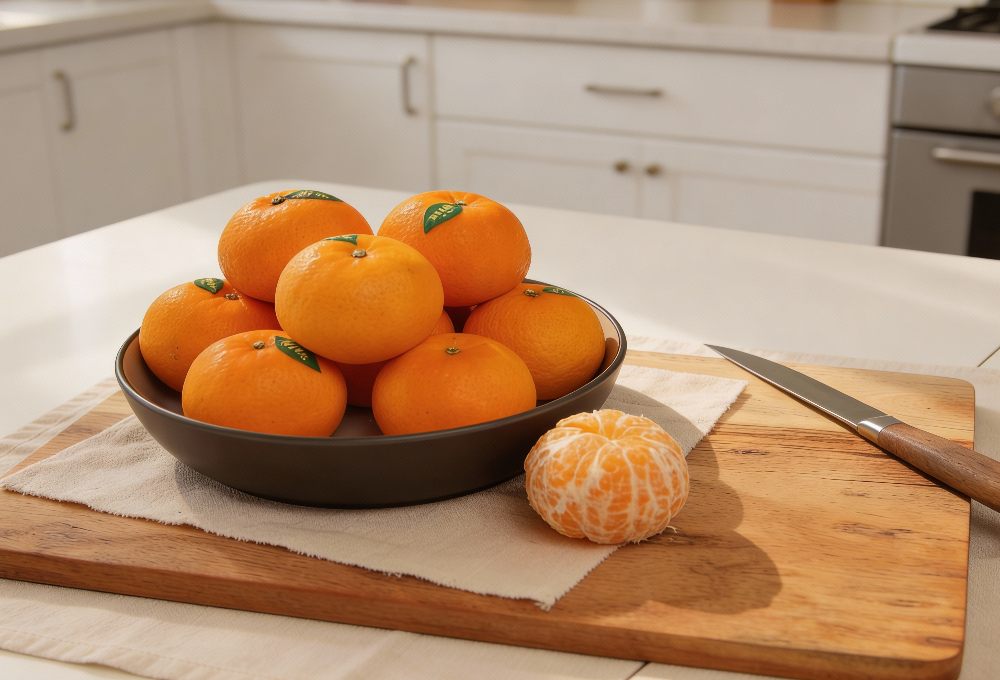
Mandarin
🇨🇳 China · Hesperidin specialist
Mandarins and all citrus fruits contain hesperidin — a flavonoid that has been specifically studied for its blood pressure effects. Hesperidin improves endothelial function and reduces arterial stiffness. A meta-analysis of 19 randomised controlled trials found that hesperidin supplementation significantly reduced both systolic and diastolic blood pressure. Eating 2–3 mandarins delivers a meaningful dose of hesperidin alongside Vitamin C, potassium, and fibre.
 No. 07
Hass Avocado
🇳🇿 New Zealand · The fat that lowers pressure
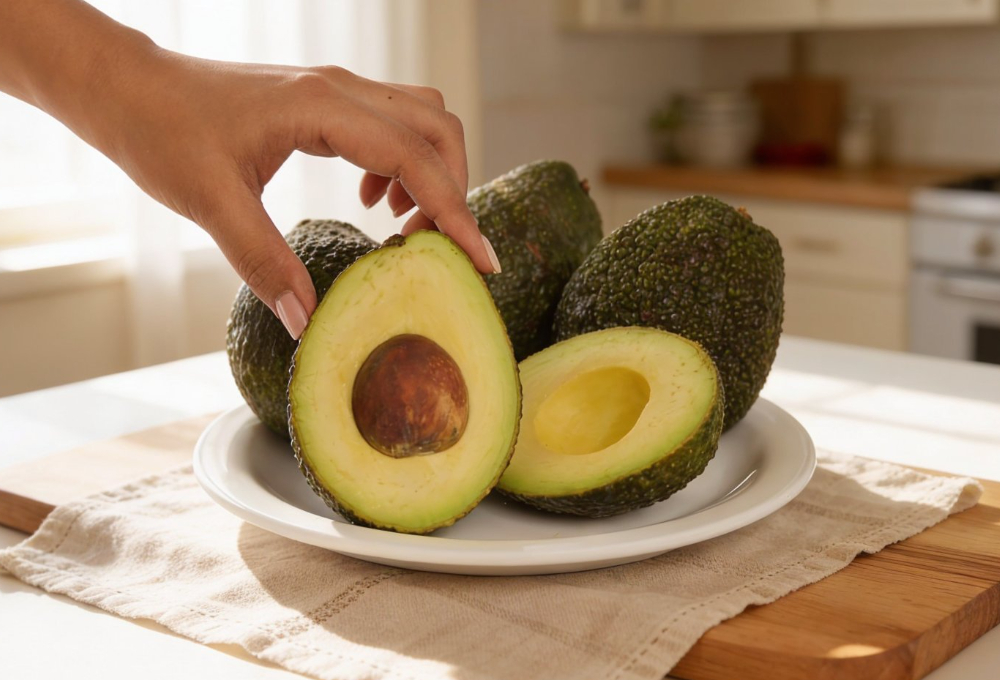
Avocado has more potassium per 100g than any other fruit on this list — 485mg, compared to 358mg in banana. Potassium is the most important dietary mineral for blood pressure reduction, and most Indians are significantly deficient in it. Avocado’s monounsaturated fat (oleic acid) also directly reduces LDL cholesterol and arterial inflammation, addressing two of the root causes of elevated blood pressure simultaneously.
At a Glance: Potassium Content Comparison
Potassium is the primary mineral mechanism across most of these fruits. Here is how they compare, alongside the daily recommended intake for adults with high blood pressure.
Data sourced from the USDA FoodData Central database. Recommended daily intake per WHO guidelines.
| Fruit | Potassium / 100g | Primary BP Mechanism | Daily Amount |
|---|---|---|---|
| Hass Avocado | 485 mg | Potassium + oleic acid | Half avocado |
| Passion Fruit | 348 mg | Potassium + magnesium | 3–4 fruits |
| Zespri Golden Kiwi | 312 mg | Potassium + Vitamin C synergy | 2–3 kiwis |
| OZblu Blueberry | 77 mg | Anthocyanins (endothelial) | 150g |
| Red Flame Grapes | 191 mg | Resveratrol + potassium | 150g |
| Red Cherry | 222 mg | Anthocyanins (endothelial) | 150g |
| Mandarin | 166 mg | Hesperidin (arterial stiffness) | 2–3 fruits |
Fruits to Approach Carefully With High Blood Pressure
Not all fruit is beneficial for hypertension. A few specific interactions matter:
Grapefruit and blood pressure medication
Grapefruit (not available through ProFruits but worth noting) contains furanocoumarins that inhibit the enzyme CYP3A4, which metabolises many common blood pressure medications including calcium channel blockers (amlodipine, felodipine) and statins. If you take any of these medications, avoid grapefruit entirely.
High-sugar tropical fruits in large amounts
Mangoes, chikoo, and very ripe bananas in large quantities can cause rapid blood sugar spikes, which trigger insulin release, which in turn causes sodium retention. For people with hypertension who also have insulin resistance or pre-diabetes (a common combination in India), limiting these to small portions is advisable.
The salt problem: No amount of potassium-rich fruit will compensate for a high-sodium diet. Fruit works alongside sodium reduction, not instead of it. The WHO recommends under 5g of salt per day for adults with hypertension. The average Indian consumes 10–11g. Reducing this is the single most impactful dietary change for blood pressure.
A Practical Daily Fruit Plan for High Blood Pressure
You do not need to eat all 7 fruits every day. A realistic plan that covers the key mechanisms:
- Morning: Half an avocado with breakfast (potassium + oleic acid). 2 golden kiwis (potassium + Vitamin C).
- Mid-morning: 2 mandarins as a snack (hesperidin + Vitamin C).
- Afternoon: 150g of blueberries or red grapes (anthocyanins/resveratrol).
- Evening: 150g of red cherries or 3–4 passion fruits (anthocyanins + potassium).
This covers roughly 500–550 calories in fruit across the day and delivers meaningful amounts of potassium, anthocyanins, hesperidin, resveratrol, and oleic acid. Do this consistently for 8 weeks and measure your blood pressure before and after.
Realistic expectation: Diet changes for blood pressure work gradually. Research suggests 4–8 weeks of consistent dietary change before measuring meaningful results. A sustained 5 mmHg reduction in systolic blood pressure — achievable through the combination of fruits above — is clinically significant and reduces stroke risk by approximately 14%.
Order Heart-Healthy Fruits in Mumbai
All 7 fruits in this guide are available from ProFruits — cold-chain sourced, next-day delivered to Mumbai, and at peak quality when they arrive.
🤍 Browse All Exotic FruitsFrequently Asked Questions
Which fruit is best for high blood pressure in India?
Avocado has the highest potassium content (485mg/100g) of any fruit on this list, making it the strongest single-fruit choice for blood pressure management. Blueberries have the strongest research base specifically for reducing systolic blood pressure in clinical trials. For a practical daily choice, eating both avocado and blueberries consistently covers both the potassium mechanism and the anthocyanin mechanism.
Can fruit alone control high blood pressure?
No. Fruit is a meaningful part of blood pressure management but works alongside — not instead of — medication prescribed by your doctor, sodium reduction, regular physical activity, and stress management. If you are on blood pressure medication, do not stop or reduce it based on dietary changes without medical supervision.
How much potassium do I need for high blood pressure?
The WHO recommends 3,510mg of potassium per day for adults, with higher intakes specifically beneficial for people with hypertension. Most Indians consume under 2,000mg daily. The fruits in this guide — particularly avocado, passion fruit, and golden kiwi — are among the most effective ways to increase potassium intake without supplements.
Are exotic fruits for high blood pressure available in Mumbai?
ProFruits delivers all the fruits in this guide to Mumbai next-day. Hass avocado, OZblu blueberries, golden kiwi, passion fruit, red cherries, red flame grapes, and mandarins are all cold-chain sourced and ready to eat on arrival.
How long does it take for fruit to lower blood pressure?
Research suggests 4–8 weeks of consistent daily consumption before measuring meaningful blood pressure reduction. Some people see improvement earlier, but the underlying mechanisms — improving endothelial function, increasing potassium intake, reducing arterial stiffness — take time to build. Measure your blood pressure at the same time each morning over an 8-week period to track changes accurately.

Hi, I’m Tanish Hingorani, a Business student with a passion for food, flavour, and everything that makes eating an experience worth talking about. As a baker, I bring a hands-on understanding of ingredients, quality, and the art of turning something simple into something extraordinary — which is exactly what drives my love for exotic and premium fruits. Through my blogs on ProFruits, I share honest insights, practical guides, and fresh perspectives on how the right fruits can transform your health, your kitchen, and your gifting game. Whether I’m breaking down the best seasonal picks in Mumbai or exploring the world of imported exotics, my goal is to make every read genuinely useful and every order feel like the right one.