
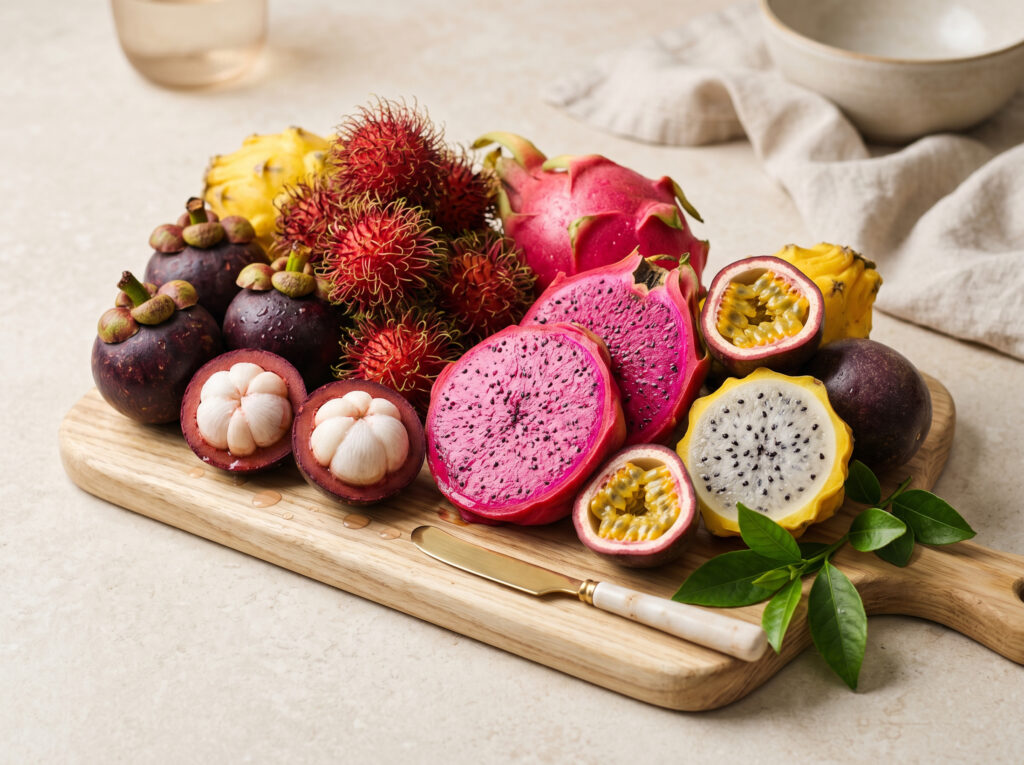
Exotic fruits in India are no longer a novelty confined to five-star hotel buffets and diplomatic gift boxes. Mumbai’s premium fruit market has matured decisively over the last three years — and for the first time, genuinely rare imported fruits are accessible to anyone willing to seek them out. The question is no longer can you get them. It is: which ones are worth your money, and what do they actually taste like?
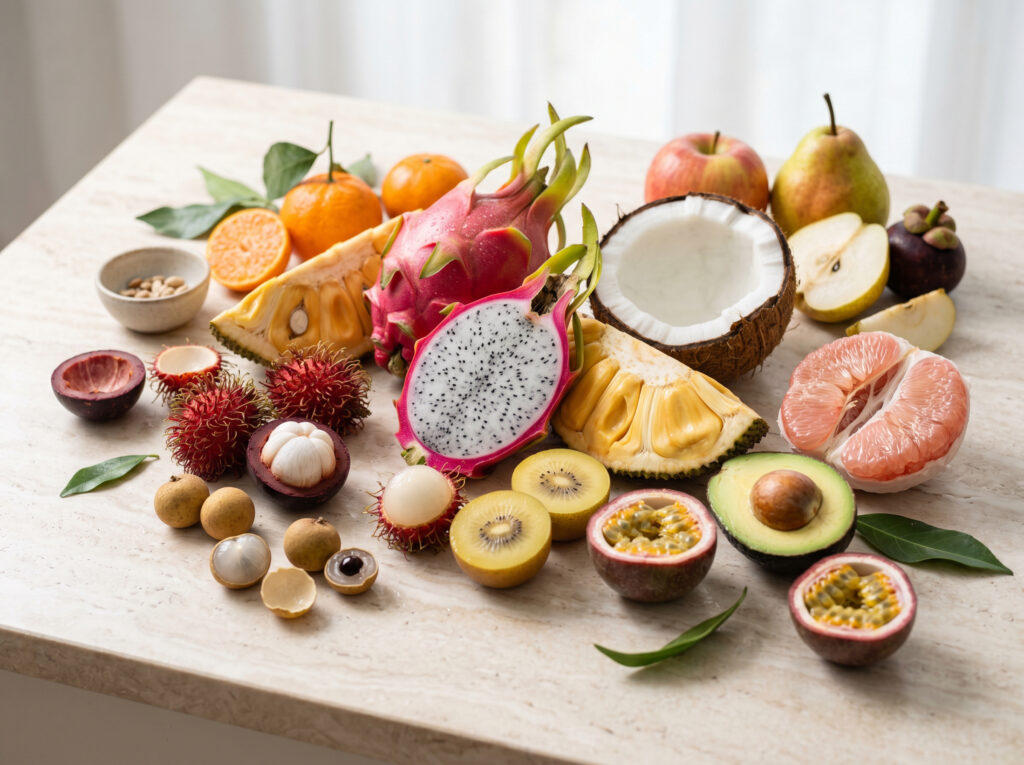
This guide covers five of the most extraordinary exotic fruits in India available through ProFruits — each sourced directly from its country of origin, each offering a flavour experience that has no Indian equivalent. If you have never tried any of these, consider this your starting point.
Every fruit in this list is sourced directly from its origin country — Thailand, Vietnam, Brazil — not domestic imitations.
Temperature-controlled from farm to your door in Mumbai. Quality and freshness guaranteed — not street-vendor luck.
These are luxury experiences — not commodities. Each fruit delivers something genuinely different from anything in your usual fruit bowl.
All five are available at ProFruits.in with next-day delivery across Mumbai, packed to arrive at peak freshness.
“The Queen of Fruits — and the title is entirely deserved.”
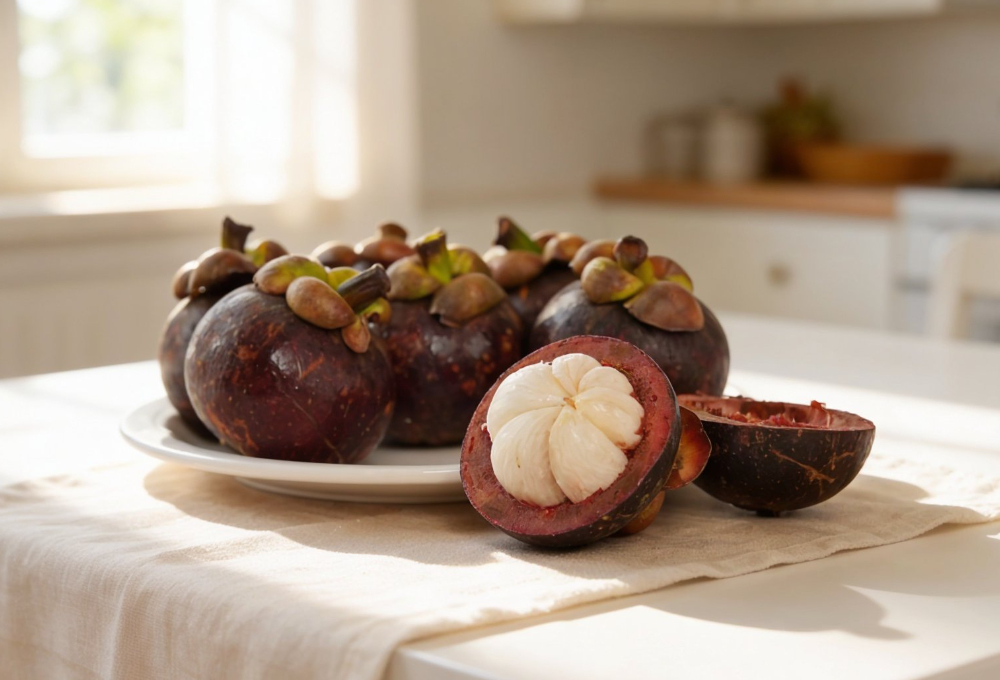
Mangosteen is one of the most celebrated exotic fruits in India among those who have tried it — and one of the least known to those who haven’t. It is called the Queen of Fruits across Southeast Asia, a title earned over centuries of cultivation in Thailand, Indonesia, and Malaysia. The fruit has a deep purple rind that reveals pure white segments inside: juicy, perfumed, and delicately sweet with a subtle floral tartness that no other fruit comes close to replicating.
The rind itself contains xanthones — some of the most potent antioxidants found in any fruit — and mangosteen has been used in traditional Thai medicine for centuries as an anti-inflammatory and immune support food. A single mangosteen season in India is short and intensely anticipated by those who know it. The ProFruits version is imported from Thailand at peak ripeness, cold-chain maintained to Mumbai.
How to eat it: Score the rind around the equator of the fruit and twist apart the two halves. The white segments pull out cleanly. Eat chilled — the flavour intensifies when cold. Absolutely no equipment or preparation required.
“The most visually dramatic fruit you will ever peel open.”
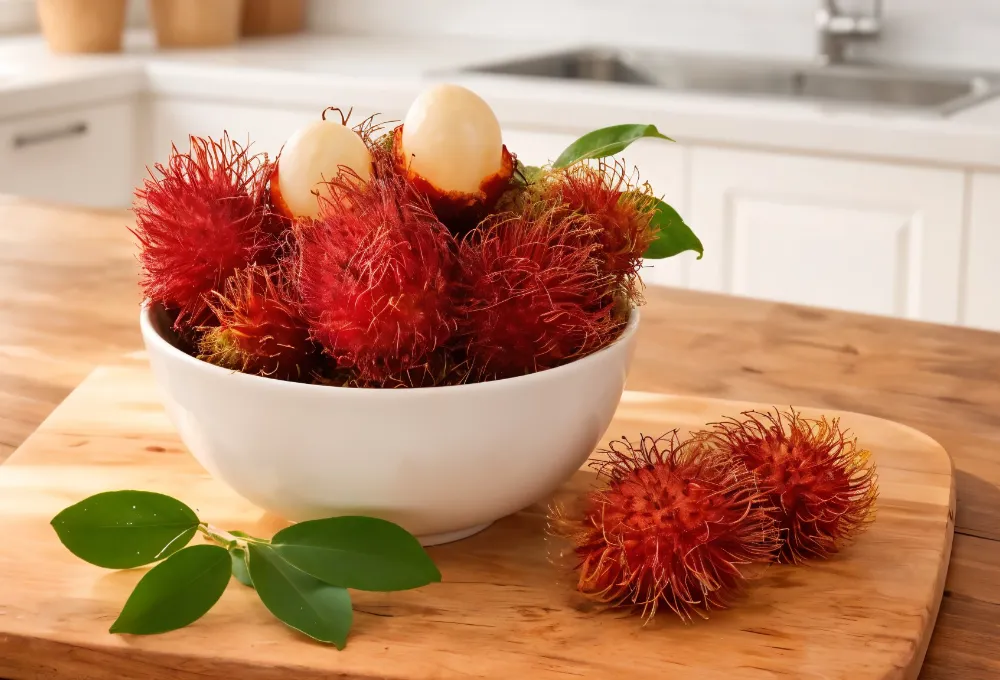
Rambutan is named from the Malay word for “hair” — and once you see one, the name makes perfect sense. The bright red fruit is covered in soft, spiky green-tipped tendrils that make it look entirely alien, something between a sea urchin and a tropical flower. Peel past the dramatic exterior and the reward is immediate: translucent white flesh, sweet and juicy, remarkably similar in flavour profile to lychee but with a slightly firmer bite and a cleaner finish.
Rambutan is one of those best exotic fruits in India that earns its reputation entirely on taste rather than novelty. The sugar content is high, giving it an almost candy-like sweetness, balanced by a light floral note. It is eaten fresh, by the handful, and requires nothing more than your fingernails to access. For anyone who loves lychee, rambutan is the premium upgrade.
How to eat it: Pinch the skin near the seam and pull apart. The flesh releases cleanly. There is a central seed — do not eat it. Serve chilled or at room temperature. Works beautifully in fruit salads and tropical cocktails.
First-timer tip: If you are entirely new to exotic fruits in India, start with Rambutan or Red Dragon Fruit. Both are approachable, visually dramatic, and genuinely delicious without requiring any acquired taste. Mangosteen and Passion Fruit reward a slightly more adventurous palate.
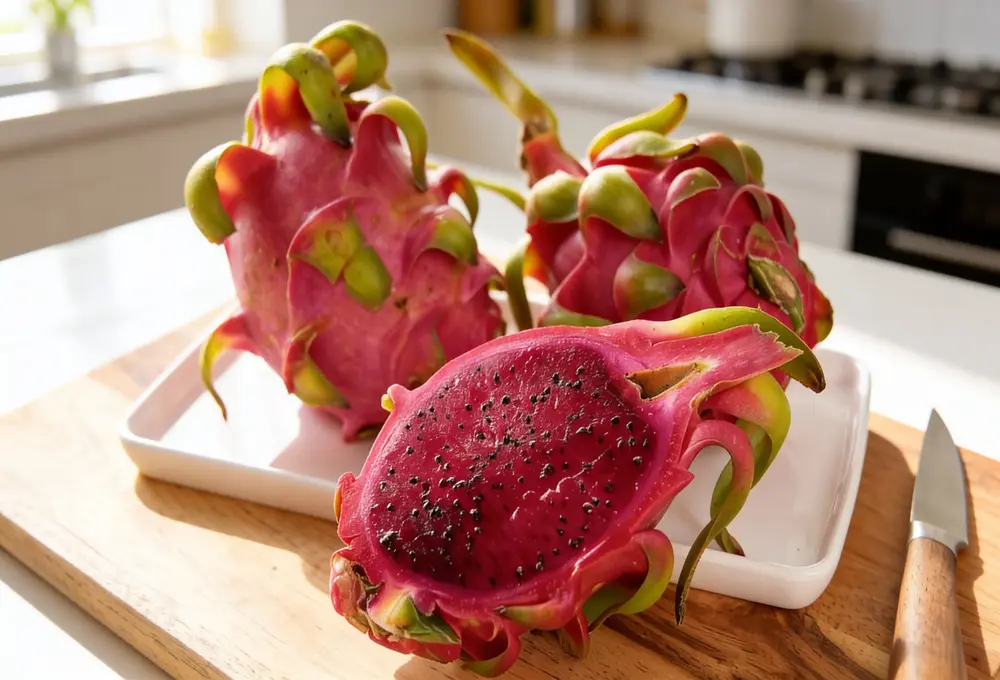
“The most Instagrammed fruit in the world — for very good reason.”
Red dragon fruit is one of the most visually spectacular of all imported fruits in India — its vivid magenta-red skin with green flame-like scales is unmistakable, and cutting it open to reveal deep crimson flesh studded with tiny black seeds is genuinely breathtaking. It is cactus fruit, technically, native to Central America and now grown extensively in Vietnam, which is ProFruits’ source.
The taste is gentler than the appearance suggests — mildly sweet with a subtle earthiness, somewhere between kiwi and melon in flavour intensity. What the red variety delivers that the white variety does not is a dramatically richer colour and a slightly higher antioxidant content from the betalain pigments responsible for the deep crimson flesh. It is also exceptionally high in prebiotic fibre that feeds beneficial gut bacteria — making it one of the most gut-friendly exotic fruits available.
How to eat it: Halve it lengthwise and scoop the flesh with a spoon, or peel the skin away and slice. Spectacular in smoothie bowls, fruit salads, and as a standalone chilled snack. The colour bleeds naturally — handle with care when slicing.
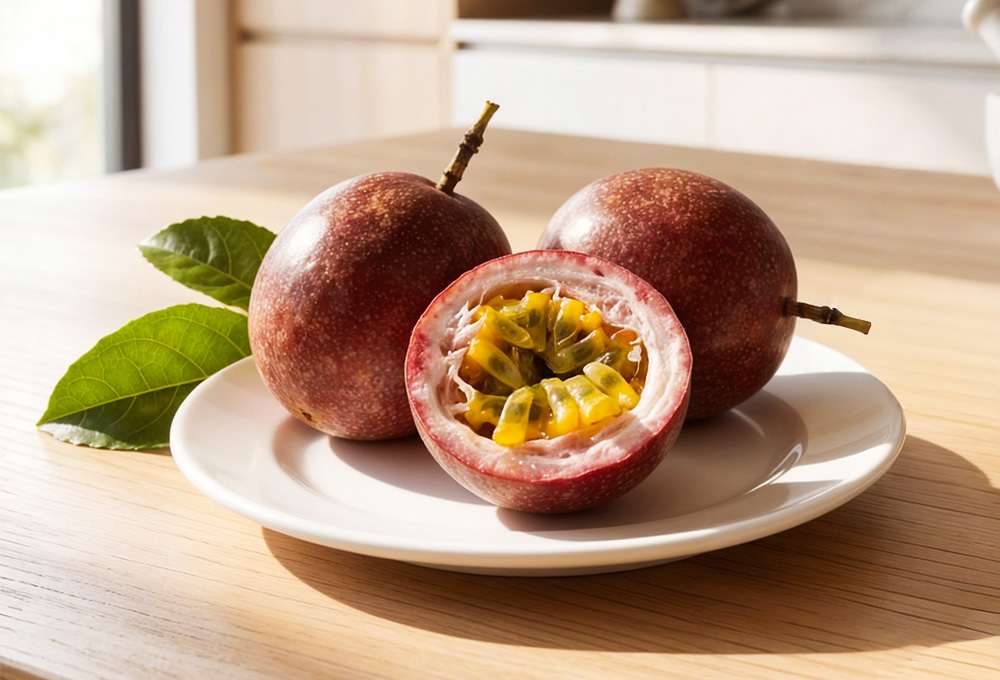
“Small, wrinkled on the outside. Extraordinary on the inside.”
Passion fruit is the most aromatic fruit on this list — and arguably the most aromatic of all exotic fruits in India. Cut one open and the fragrance is immediate: intensely tropical, floral, and sharp all at once. The golden seedy pulp inside a ripe passion fruit is one of the most concentrated flavour experiences in the fruit world. Tart, sweet, floral, and deeply perfumed — a single passion fruit can perfume an entire smoothie or dessert sauce.
ProFruits sources passion fruit from Brazil — the origin that produces the most intensely flavoured variety. The exterior of a ripe passion fruit will look wrinkled and dimpled: this is not a sign of overripeness but of perfection. The more wrinkled the skin, the more concentrated the pulp inside. It is one of those best exotic fruits in India that feels genuinely transformative the first time you taste it — nothing in Indian cuisine or local fruit production comes close to this flavour profile.
How to eat it: Halve with a sharp knife and scoop the pulp directly with a spoon. Eat seeds and all — the seeds are edible and add texture. Mix into yoghurt, pour over ice cream, blend into a juice, or eat directly. Spectacular with fresh curd and honey.
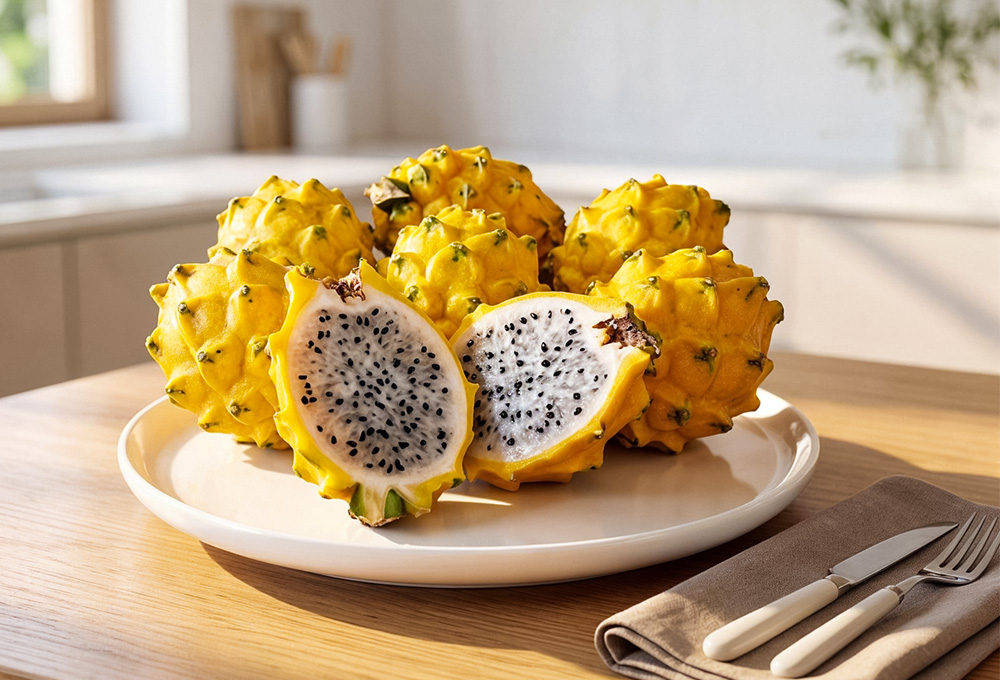
“The rarest dragon fruit — sweeter, more complex, and worth every rupee.”
Yellow Pitaya is the rarest and most prized variety of dragon fruit — and it is one of the most exceptional exotic fruits in Mumbai available through ProFruits. Where the red and white varieties of dragon fruit are relatively mild, the yellow pitaya delivers noticeably more sweetness, a more complex tropical aroma, and a deeper flavour that experienced fruit lovers consistently rate as superior to its more common cousins.
Native to South America and now cultivated in Thailand, the yellow pitaya has vivid golden-yellow skin covered in the same flame-like scales as the red variety — but the interior is pure white and the flavour is markedly richer. It is rarer and more expensive than red dragon fruit because the yields are lower and the quality demands are higher. For a first-time exotic fruit buyer, yellow pitaya represents a genuinely premium experience — the kind of fruit that changes what you think fruit can taste like.
How to eat it: Halve and scoop, or peel and slice. Best eaten chilled for maximum sweetness expression. Pairs beautifully with coconut milk, lime zest, or as a standalone dessert fruit. The yellow skin is not eaten.
Why ProFruits Is the Right Way to Buy Exotic Fruits in Mumbai
Buying exotic fruits in Mumbai from unreliable sources is genuinely risky. Mangosteen purchased from a street vendor with no cold-chain history will taste nothing like the fruit it was at origin. Rambutan that has sat at room temperature for two days develops fermented off-notes. Passion fruit bought before it wrinkles will be bitter and hollow. The quality of premium imported fruit is inseparable from the integrity of the cold chain it travels through.
ProFruits imports directly from origin countries, maintains full cold-chain from source to Mumbai facility, and delivers to your door with next-day delivery. Every fruit is hand-selected. Every order is packed to maintain the eating temperature and humidity the fruit needs. This is why the exotic fruits that arrive from ProFruits taste the way they are supposed to — because they have been treated the way they deserve.
All five fruits in this guide are available now at ProFruits.in/fruits/imported with next-day delivery across Mumbai. You can also build a custom hamper featuring multiple exotic fruits as a premium gift or personal tasting experience.
Explore Exotic Fruits in Mumbai
Premium imported fruits sourced from Thailand, Vietnam, Brazil and beyond — hand-selected, cold-chain delivered, next-day across Mumbai.
🍑 Shop All Exotic FruitsFAQs About Exotic Fruits in India
Which exotic fruits are available in India right now?
Through ProFruits in Mumbai, the following exotic imported fruits are currently available: Mangosteen (Thailand), Rambutan (Thailand), Red Dragon Fruit (Vietnam), Passion Fruit (Brazil), Yellow Pitaya (Thailand), and many more including Golden Kiwi, Shine Muscat Grapes, Korean Pear, and Cotton Candy Grapes. The full range is at profruits.in/fruits/imported.
What is the best exotic fruit to try for the first time in India?
Rambutan or Red Dragon Fruit are the most approachable starting points — both are visually dramatic, naturally sweet, and require no acquired taste. Mangosteen is the most celebrated and rewards a slightly more adventurous palate. Passion Fruit is the most intense flavour experience of the five.
Where can I buy exotic fruits in Mumbai?
ProFruits offers the widest range of premium imported exotic fruits in Mumbai with next-day delivery. Every fruit is cold-chain sourced from its origin country. Order at profruits.in/fruits/imported.
Why is Yellow Pitaya more expensive than regular dragon fruit?
Yellow Pitaya (yellow dragon fruit) has significantly lower yields per plant than the red or white varieties, making it rarer and more expensive to source. It is also sweeter and more complex in flavour, making it the premium choice among dragon fruit varieties.
How do I know if an exotic fruit is ripe when it arrives?
ProFruits delivers all exotic fruits at or near their optimal eating window. For Mangosteen, the rind should yield very slightly to pressure. Rambutan should be bright red and firm. Passion Fruit should be heavily wrinkled — this is a sign of ripeness, not overripening. Dragon Fruit should be uniformly coloured with no soft patches.

Hi, I’m Tanish Hingorani, a Business student with a passion for food, flavour, and everything that makes eating an experience worth talking about. As a baker, I bring a hands-on understanding of ingredients, quality, and the art of turning something simple into something extraordinary — which is exactly what drives my love for exotic and premium fruits. Through my blogs on ProFruits, I share honest insights, practical guides, and fresh perspectives on how the right fruits can transform your health, your kitchen, and your gifting game. Whether I’m breaking down the best seasonal picks in Mumbai or exploring the world of imported exotics, my goal is to make every read genuinely useful and every order feel like the right one.