
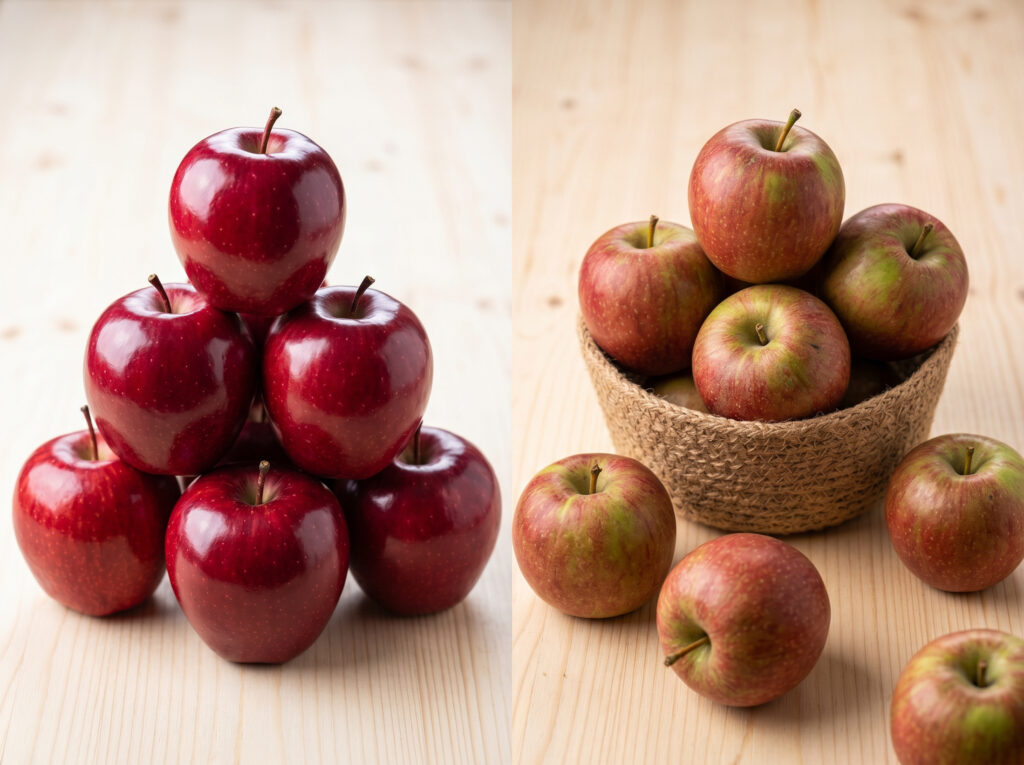
Washington apple vs Indian apple is a question more Mumbai buyers are asking as imported fruit becomes more accessible. On the surface, they look similar — red, round, familiar. But anyone who has eaten a Washington apple alongside a typical Indian Shimla apple knows the difference is immediately obvious. The crunch, the juice, the flavour, and even the nutritional profile are genuinely different — and for good reason.
This guide covers everything: taste, texture, nutrition, shelf life, price, and the honest answer to which apple you should be buying depending on what you want. All Washington apples referenced in this guide are available from ProFruits with next-day delivery across Mumbai.
Quick context: “Indian apple” in this guide refers to domestically grown varieties — primarily Shimla (Himachal Pradesh) and Kashmiri apples, which are the most widely available in Indian markets. Washington apple refers to premium imported apples grown in Washington State, USA — the world’s most renowned apple-growing region — sourced by ProFruits and delivered to Mumbai.
Washington Apple vs Indian Apple: At a Glance
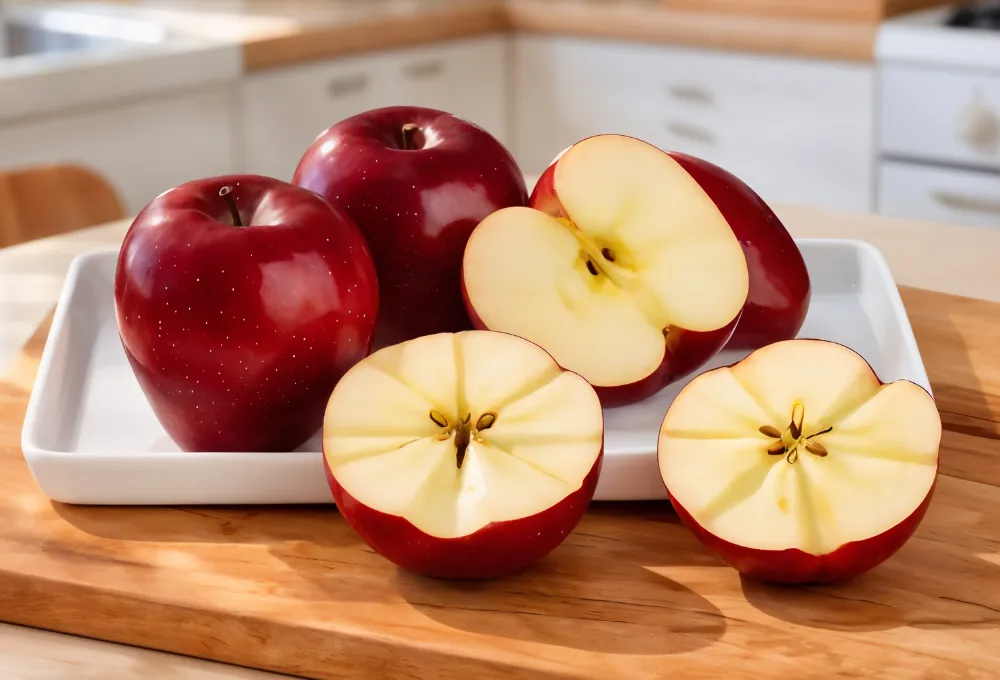
Washington Apple
🇺🇸 Washington State, USA
- Deep red, uniform colour with natural sheen
- Dense, crisp flesh with audible crunch
- Balanced sweet-tart flavour, clean finish
- High juice content, firm texture throughout
- Longer shelf life, excellent storage quality
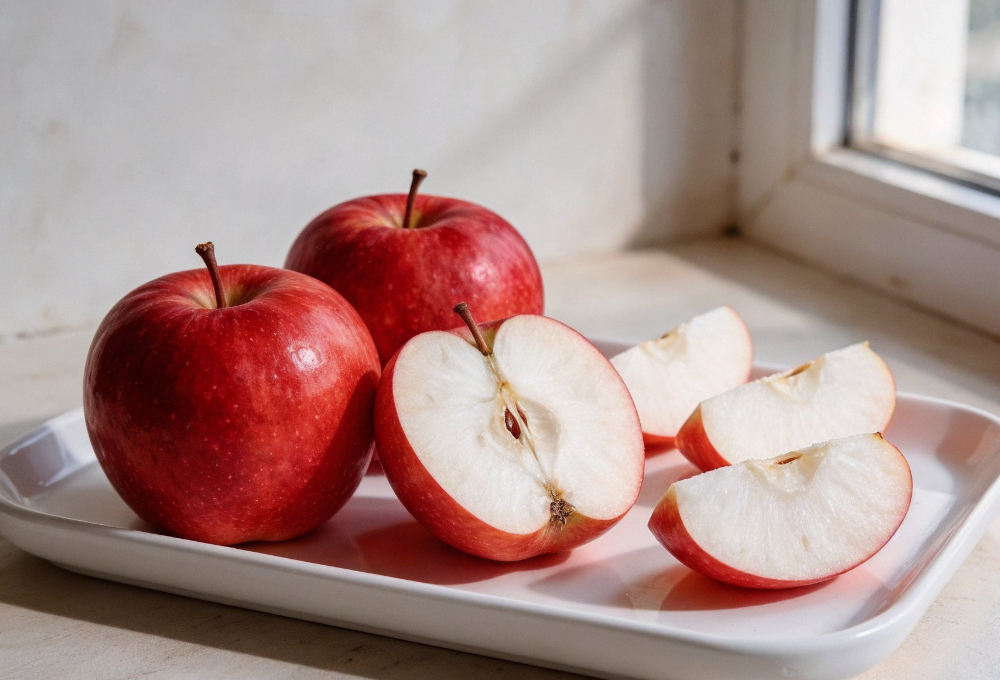
Indian Apple (Shimla / Kashmiri)
🇮🇳 Himachal Pradesh / Kashmir, India
- Variable colour, often patchy red-green
- Softer flesh, less consistent crunch
- Sweeter, less complex flavour profile
- Lower juice content, can be mealy
- Shorter shelf life, ripens faster
Taste Comparison: Washington Apple vs Indian Apple
Taste is the most immediately noticeable difference between Washington and Indian apples — and it comes down to three factors: sweetness balance, complexity, and juice delivery.
Washington apple taste
Washington apples — particularly varieties like Fuji, Gala, and Red Delicious grown in Washington State — have a precise, balanced flavour that starts clean and sweet and finishes with a light natural sharpness. The sweetness is never cloying. There is a definite complexity to the flavour — a brightness that makes each bite feel lively rather than flat. The high juice content means flavour is delivered immediately on biting, rather than building slowly through dense flesh.
Indian apple taste
Shimla and Kashmiri apples lean sweeter and simpler. The flavour is pleasant and familiar, but less layered. Depending on the season and storage conditions, Indian apples can range from genuinely good to mealy and flat — the consistency is the primary weakness. A fresh, early-season Shimla apple can be very good. The same variety after months of cold storage is a completely different eating experience.
| Flavour Aspect | Washington Apple | Indian Apple |
|---|---|---|
| Sweetness | Balanced sweet with natural tartness | Sweeter, less tart, simpler |
| Complexity | Multi-layered, bright, clean finish | Straightforward, one-note sweetness |
| Juiciness | High juice on first bite | Variable — can be dry or mealy |
| Consistency | Consistent batch to batch | Highly variable by season and storage |
| Aroma | Fresh, clean, light floral | Mild, sometimes absent |
Texture: The Most Obvious Difference
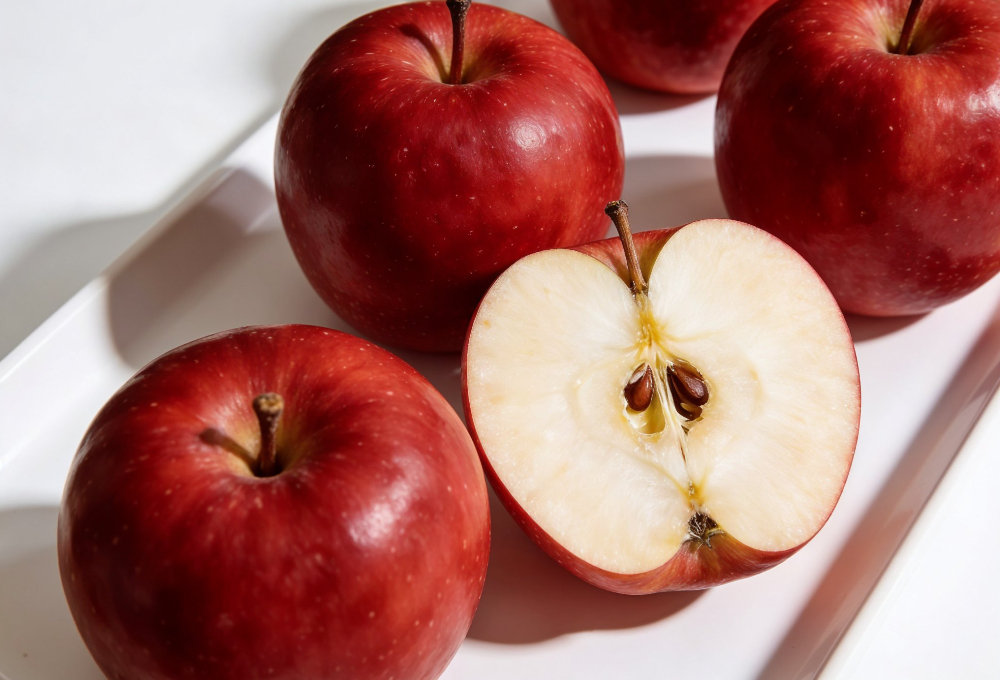
If taste is the first thing you notice, texture is the thing you remember. The difference in crunch and density between a Washington apple and a typical Indian apple is significant enough that many people describe them as feeling like different fruits entirely.
Washington apple texture
Washington apples have an exceptionally dense, firm flesh that produces a genuinely audible crunch when bitten. The cell structure is tight and holds moisture well, which is why the juice comes out on biting rather than seeping out slowly. This density also means the texture holds up well over time — a Washington apple kept refrigerated maintains its crunch for 2–3 weeks without turning soft or mealy.
Indian apple texture
Indian Shimla and Kashmiri apples have a softer, lighter flesh. When fresh and in season, they can be pleasantly crisp. However, the cell structure is looser and breaks down faster — both after harvest and after cutting. Mealy texture (where the flesh turns grainy and dry rather than juicy and crisp) is a common complaint with Indian apples that have been stored for extended periods, which is the case for most apples available in Indian markets outside the harvest season of August–November.
Audible crunch, dense juicy flesh, holds texture for weeks refrigerated. Consistent every time.
If you prefer a softer, less dense apple — for children or for cooking — Indian apples work well when fresh and in season.
Nutrition: Washington Apple vs Indian Apple
Both apple types are nutritionally similar at a macro level — but there are meaningful differences in micronutrient density and specific health compounds that favour Washington apples.
| Nutrient (per 100g) | Washington Apple | Indian Apple (Shimla) |
|---|---|---|
| Calories | 52 kcal | 50–55 kcal |
| Carbohydrates | 14g | 13–14g |
| Dietary Fibre | 2.4g | 2.0–2.2g |
| Vitamin C | 8% DV | 5–6% DV |
| Polyphenols | Higher — grown in optimal UV conditions | Moderate |
| Ursolic Acid (peel) | Present in significant amounts | Lower concentration |
| Quercetin | High — supports immunity | Moderate |
| Water Content | ~86% | ~85% |
Source – USDA FoodData Central
Why Washington apples have higher polyphenols
Washington State’s climate — hot days, cold nights, and high altitude — creates significant UV stress on apple trees. This stress triggers the production of polyphenols and antioxidants in the fruit as a natural defence mechanism. The result is an apple with measurably higher levels of quercetin, chlorogenic acid, and flavonoids than apples grown in lower-stress environments. Indian apple-growing regions do not typically experience the same temperature differential, resulting in lower polyphenol concentrations.
Always eat the peel: The majority of Washington apple’s most valuable compounds — ursolic acid, quercetin, chlorogenic acid — are concentrated in or just beneath the peel. Peeling a Washington apple removes most of its nutritional advantage over Indian apples. Wash thoroughly and eat whole.
Shelf Life and Storage
This is a practical consideration that matters more than most buyers realise — and it is one where Washington apples have a significant advantage.
Washington apple shelf life
Washington apples are harvested and cold-stored under controlled atmosphere (CA) conditions that maintain the fruit in near-harvest state for months. When you receive a Washington apple from ProFruits, it has been maintained in a continuous cold chain from the orchard to your door. Refrigerated at home, a Washington apple holds its crunch and flavour for 3–4 weeks without meaningful quality loss.
Indian apple shelf life
Indian apples from local markets have typically passed through multiple stages of uncontrolled storage before reaching you — from orchard to mandi to wholesaler to retailer. Without consistent cold chain management, the cell structure breaks down faster. Most Indian market apples should be consumed within 5–7 days for best quality.
Storage tip: Store Washington apples in the crisper drawer of your refrigerator, away from ethylene-producing fruits like bananas and mangoes. Ethylene accelerates ripening — keeping apples separate maintains their crunch significantly longer. ProFruits delivers Washington apples in temperature-controlled packaging for this reason.
Price Comparison: Is Washington Apple Worth the Premium?
Washington apples cost more than Indian apples — this is not in dispute. The relevant question is whether the premium is justified by what you actually get.
What you are paying for
- Growing conditions: Washington State’s specific climate and soil produce a measurably superior apple. This is not marketing — it is the reason Washington has been the world’s premium apple-growing benchmark for over a century.
- Controlled atmosphere storage: CA storage maintains apple quality from harvest to delivery in a way that ambient storage cannot. You are paying for the technology that keeps the apple in peak condition.
- Cold-chain logistics: Getting an apple from Washington to Mumbai without quality loss requires refrigerated transport at every stage — air freight, customs, and last-mile delivery. Each link costs more than ambient logistics.
- Consistency: Every Washington apple from ProFruits will be crisp, juicy, and flavourful. This consistency has genuine value — you are not gambling on whether today’s batch is good or not.
When Indian apple makes more sense
- For cooking, baking, or making chutney — where texture nuances are lost in the process
- For very high-volume daily consumption where budget is the primary constraint
- For children who prefer a softer apple
- During the Indian apple harvest season (August–November) when fresh Shimla or Kashmiri apples are genuinely good
For eating whole, snacking, fruit bowls, gifting, and maximum nutrition — Washington apple justifies every rupee of the premium.
For cooking, baking, and budget-conscious daily consumption — Indian apples are entirely adequate and more economical.
How to Identify a Good Washington Apple
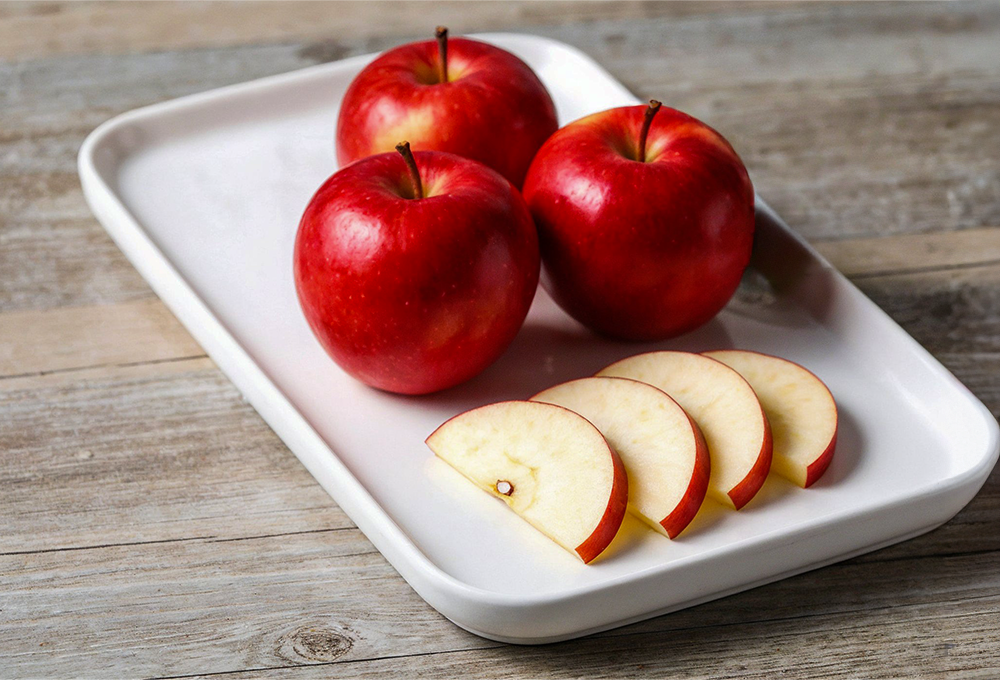
- Colour: Deep, uniform red with no green patches. The skin should have a natural sheen — not a waxy artificial shine from coatings.
- Firmness: Should feel hard and dense when held — like a cricket ball. Any give when pressed is a warning sign.
- Weight: A good Washington apple feels heavy for its size due to its high water content and dense flesh.
- Skin: Smooth, tight skin with no wrinkles, dents, or soft spots. Minor russeting (rough patches) on some varieties is normal.
- Aroma: A faint, clean, fresh apple fragrance near the stem end. Strong fragrance can indicate overripeness.
- Avoid: Any with soft spots, wrinkled skin, or a mealy feel when pressed. These are past peak quality regardless of origin.
ProFruits tip: Washington apples from ProFruits are delivered ready to eat. They do not need additional ripening at room temperature. Refrigerate immediately upon delivery and consume within 3–4 weeks for best quality. Unlike most fruits, do not leave them at room temperature for extended periods.
The Verdict: Which Apple Should You Buy?
Washington apple vs Indian apple is ultimately not a close contest for eating fresh. If you are buying an apple to eat whole — as a snack, in a fruit bowl, or as part of a healthy diet — a Washington apple from ProFruits is a categorically better experience. The crunch, juice, flavour consistency, and nutritional density are all measurably superior.
Indian apples have their place — in cooking, in season, and on a tight budget. But if you have not eaten a properly cold-chained Washington apple recently, the difference from a typical market apple will surprise you.
The best next step is simple: order a kilogram of Washington apples from ProFruits and eat one alongside your next Indian apple. The comparison will answer the question more effectively than any article.
Frequently Asked Questions
What is the difference between Washington apple and Indian apple?
Washington apples are grown in Washington State, USA, under specific climate conditions that produce a denser, crunchier, juicier apple with higher polyphenol and antioxidant content. Indian apples (primarily Shimla and Kashmiri varieties) are softer, sweeter, and less consistent in quality due to variable growing conditions and less sophisticated cold-chain management. Washington apples also have significantly better shelf life when refrigerated.
Are Washington apples better than Indian apples?
For eating fresh, yes — Washington apples are consistently superior in crunch, juiciness, flavour complexity, and nutritional density. For cooking or baking where texture nuances are lost, Indian apples are adequate and more cost-effective. During the Indian harvest season (August–November), fresh Shimla apples can be quite good, but still fall short of Washington apple consistency.
Where can I buy Washington apples in Mumbai?
ProFruits delivers Washington apples across Mumbai with next-day delivery. All apples are cold-chain sourced and arrive in temperature-controlled packaging to maintain the crunch and freshness that makes Washington apples worth buying.
How long do Washington apples last?
Washington apples stored in the refrigerator crisper drawer last 3–4 weeks without meaningful quality loss. Keep them away from ethylene-producing fruits like bananas and mangoes, which accelerate ripening. Do not store at room temperature for extended periods — refrigeration is essential for maintaining the crunch.
Why are Washington apples more expensive than Indian apples?
The price difference reflects the cost of growing in Washington State’s premium conditions, controlled atmosphere cold storage from harvest to delivery, refrigerated air freight from the USA to India, and consistent cold-chain management to Mumbai. The premium pays for a guaranteed eating experience — every Washington apple from ProFruits will be crisp, juicy, and flavourful, which cannot be said of Indian market apples.
Should I peel a Washington apple?
No — always eat Washington apples with the peel. The peel contains ursolic acid, quercetin, chlorogenic acid, and the majority of the fruit’s dietary fibre and polyphenols. Peeling a Washington apple removes most of its nutritional advantage. Wash thoroughly before eating.

Hi, I’m Tanish Hingorani, a Business student with a passion for food, flavour, and everything that makes eating an experience worth talking about. As a baker, I bring a hands-on understanding of ingredients, quality, and the art of turning something simple into something extraordinary — which is exactly what drives my love for exotic and premium fruits. Through my blogs on ProFruits, I share honest insights, practical guides, and fresh perspectives on how the right fruits can transform your health, your kitchen, and your gifting game. Whether I’m breaking down the best seasonal picks in Mumbai or exploring the world of imported exotics, my goal is to make every read genuinely useful and every order feel like the right one.