
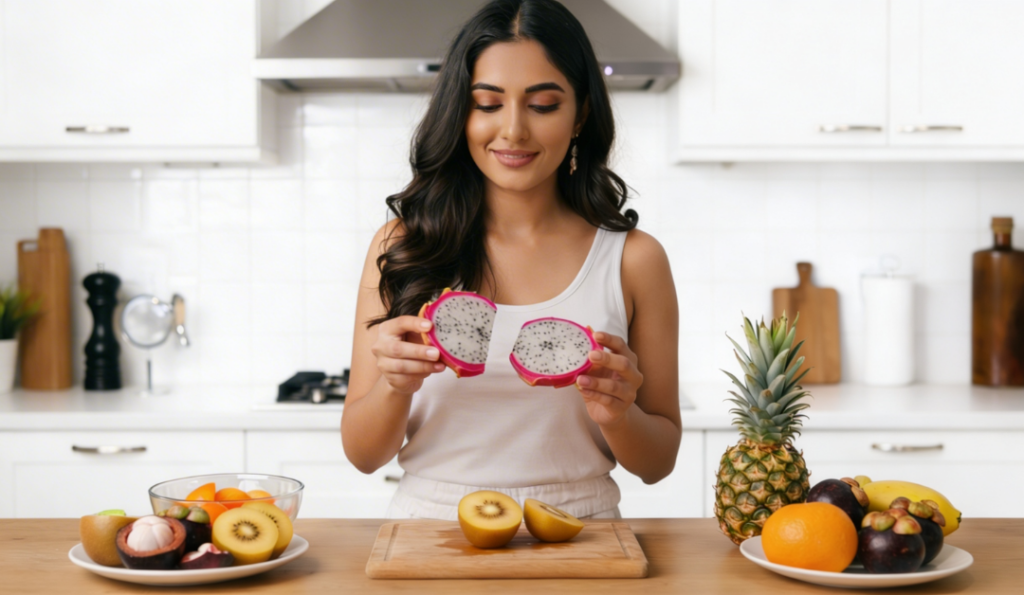
I still remember the first time I stumbled upon a market stall overflowing with strange, spiky, jewel-colored things I couldn’t name. That moment completely changed how I thought about fruit. Exploring foreign fruits has honestly been one of the most exciting food journeys of my life. Most foreign fruits are grown in very specific climates and harvested under strict conditions.
Fruits like Shine Muscat grapes and mangosteen require controlled storage, and often air freight to maintain their quality. This is why they taste noticeably fresher, richer, and more refined. Whether you’re a curious foodie or just tired of the same old apples and bananas, these eight foreign fruits will absolutely blow your mind. Trust me, one bite, and there’s no going back.
How to Choose Fresh Foreign Fruits?
- Mangosteen → Choose fruits with a slightly soft shell; avoid ones that are too hard or cracked
- Shine Muscat Grapes → Look for firm, plump grapes with a bright green color and no wrinkles
- Rambutan → Pick ones with vibrant red skin and fresh green tips, not dry or dark
- Golden Kiwi → Should feel slightly soft to touch, not overly mushy or too firm
- Buddha’s Hand → Go for bright yellow fruits with firm, fragrant skin and no shriveling
- Longan → Smooth, light brown shells without cracks or blemishes are best
- Cherimoya → Slightly soft like an avocado when ripe; avoid overly hard ones
- Yuzu → Look for firm, heavy fruits with textured, bright yellow skin and a strong citrus aroma
1. Mangosteen
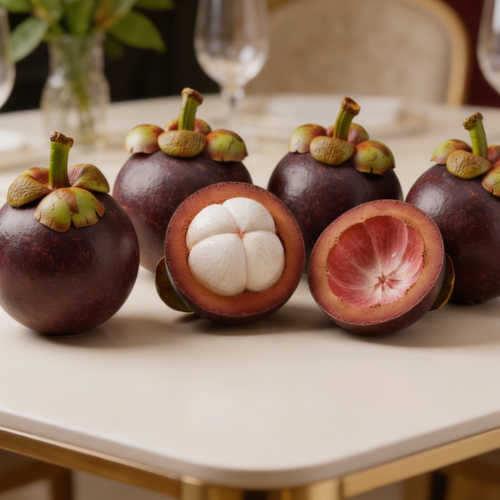
The first time I cracked open a mangosteen, I genuinely didn’t know what to expect. The deep purple shell gave way to the most delicate, snow-white segments inside. Native to Southeast Asia, mangosteen has long been considered one of the region’s most prized tropical fruits.
I found mine at a Southeast Asian grocery store, and I ended up buying six more the same day. If you ever spot one, please don’t walk past it. Your taste buds will thank you endlessly.
2. Shine Muscat Grapes
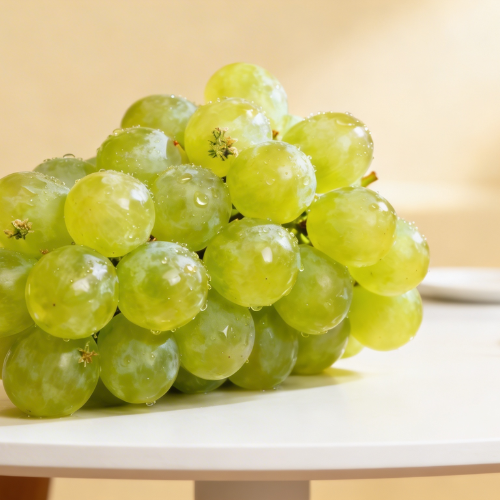
I first tried Shine Muscat grapes at a Japanese fruit parlor, and honestly, nothing has been the same since. Each grape was the size of a small plum, firm, seedless, and bursting with this incredibly rich, almost perfume-like sweetness.
Shine Muscats sit in a league of their own. They’re often gifted in Japan as luxury presents, and after one taste, you completely understand why. I’ve been chasing that flavor ever since that first unforgettable bite.
3. Rambutan
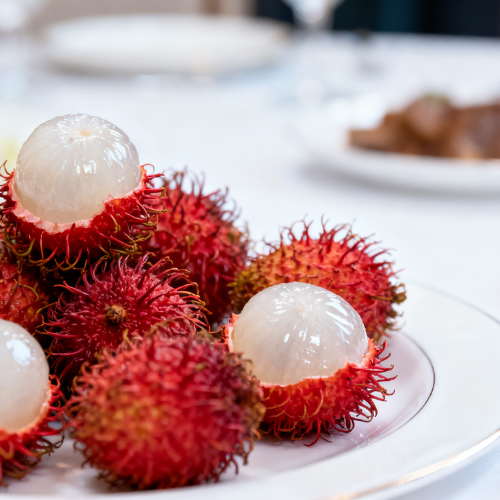
When I first picked up a rambutan, I laughed. It looked like a tiny alien creature with red and green hair sticking out everywhere. But once I peeled it open, I found a glistening, lychee-like ball of pure juicy sweetness inside. Rambutan is one of those foreign fruits that wins you over completely on the very first try.
The texture is soft, the flavor is mildly sweet with a floral hint, and the experience of peeling it is oddly satisfying. Widely grown across Southeast Asia, rambutan is a staple in tropical regions and a close relative of lychee.
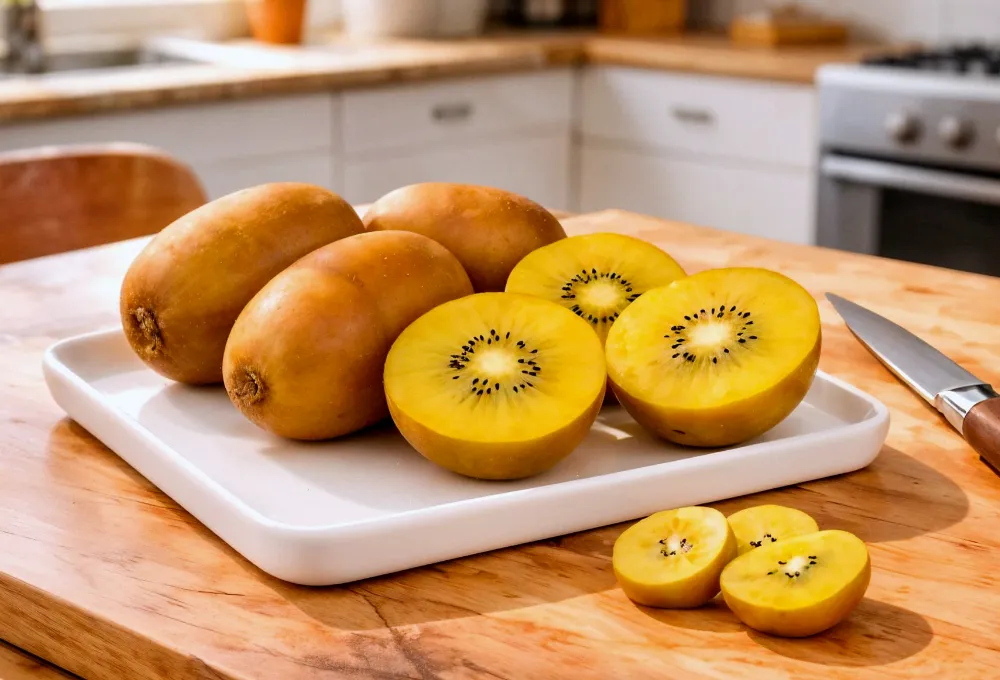
4. Golden Kiwi
I used to be a regular green kiwi person until a friend handed me a golden kiwi and told me to try it without saying anything else. The difference was immediately smoother skin, zero tartness, and a tropical sweetness. Golden kiwi was originally developed in New Zealand and is now globally known for its sweeter, more tropical profile.
Golden kiwi feels like the most approachable gateway. It’s less acidic, incredibly fragrant, and honestly just makes green kiwi feel like a rougher draft. I now exclusively buy golden kiwi whenever I spot them.
5. Buddha’s Hand — The Fruit That Looks Like Art
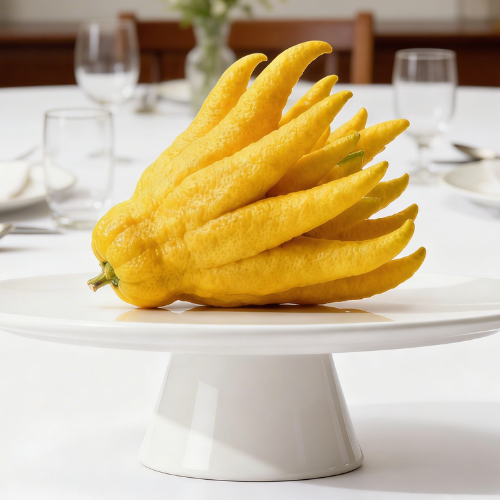
Buddha’s Hand is one of those foreign fruits I initially thought was a decoration, not something you actually eat. It looks like a lemon that grew long, curling fingers, truly one of the most surreal things in the produce section. There’s almost no juice or pulp inside, just fragrant zest.
I started grating it over pasta and into desserts, and the citrus aroma it releases is extraordinary. Traditionally used in China and Japan, Buddha’s Hand is valued more for its intense fragrance than its taste
6. Longan
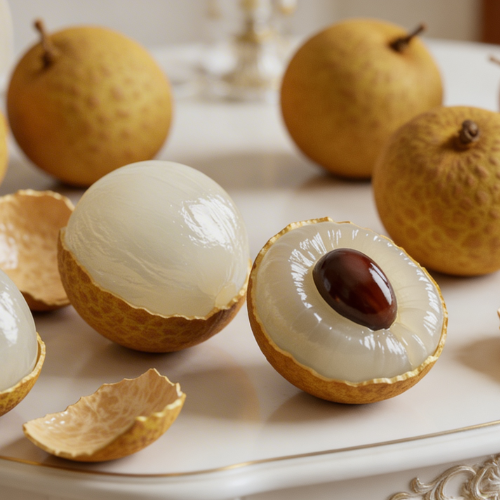
A colleague brought longan to the office once, and I watched everyone’s eyes go wide after the first bite. You crack the thin, brittle shell to find a translucent, grape-like fruit wrapped around a shiny black seed. A gentle honey-floral sweetness that’s incredibly refreshing.
Longan is one of those foreign fruits that feels almost meditative to eat; you peel, you pop, you pause. Longan has been enjoyed for centuries across China and Southeast Asia, often used in both fresh and dried forms.
7. Cherimoya
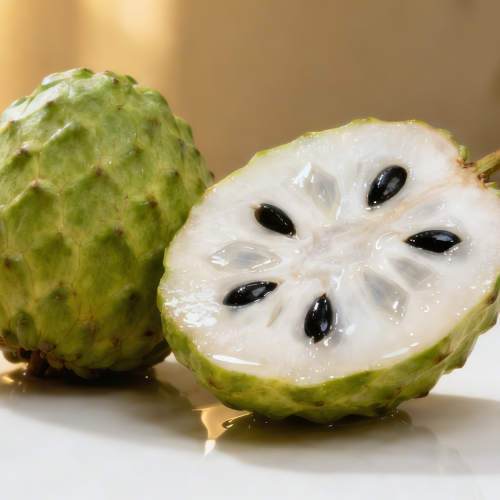
Mark Twain once called cherimoya the most delicious fruit known to men, and honestly, after trying it myself, I’m not arguing. The outside looks prehistoric, bumpy, green, and unassuming. But scoop into the white flesh, and it tastes like vanilla custard mixed with banana and pineapple.
Cherimoya is the one that most feels like dessert disguised as fruit. I ate mine chilled, straight from the fridge with a spoon. Native to the Andes region of South America, cherimoya has been cultivated for centuries and is often called a “royal fruit.”
8. Yuzu
I tried yuzu for the first time in a small ramen shop in Tokyo, squeezed over a steaming bowl of broth, and that single drop changed everything. Yuzu smells like someone crossed a lemon with a mandarin and added a floral whisper. It’s tart, aromatic, and utterly distinct.
Yuzu is one you might not eat whole, but its zest and juice transform everything they touch. I now keep yuzu kosho in my fridge, and I find myself adding it to dressings, cocktails, and even desserts constantly.
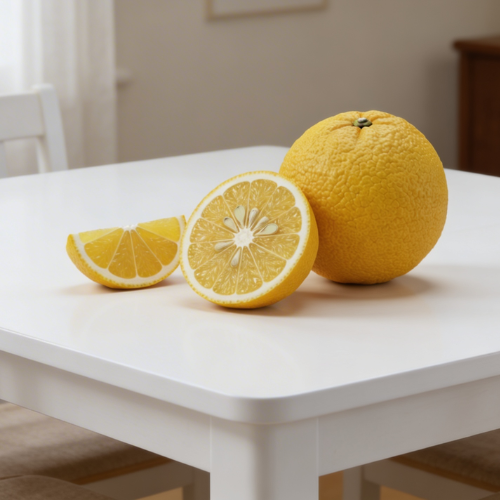
How to Eat & Use These Fruits
- Buddha’s Hand → zest for desserts & cocktails
- Yuzu → dressings, marinades, ramen
- Cherimoya → scoop and eat chilled
- Rambutan → peel and eat fresh, a juicy tropical pick from foreign fruits
- Mangosteen → crack open and enjoy the soft segments fresh
- Shine Muscat Grapes → eat whole, chilled, or pair with cheese platters
- Golden Kiwi → scoop or slice into smoothies, salads, and breakfast bowls
- Longan → peel, remove seed, and enjoy fresh or in chilled desserts
Wrapping Up!
Every single one of these foreign fruits has left a permanent mark on the way I experience food. They’ve taught me that the world’s produce section is so much larger than what we see at our regular grocery stores. Seeking out foreign fruits isn’t just about tasting something new; it’s about connecting with other cultures, traditions, and flavors that have delighted people for centuries.
I genuinely hope this list inspires you to pick up something unfamiliar next time you spot it. Take the leap. Bite into the unknown. Your most memorable food moment might be one strange, beautiful fruit away, just like the story behind yuzu, a citrus deeply rooted in Japanese culture and cuisine.
FAQs
1. What are the most popular foreign fruits to try?
Some of the most popular foreign fruits worth trying are mangosteen, rambutan, longan, cherimoya, and yuzu.
2. What foreign fruit is the sweetest?
Shine Muscat grapes and cherimoya are considered among the sweetest foreign fruits.
3. Is rambutan the same as lychee?
Rambutan and lychee are related but not the same. Both belong to the soapberry family and have a similar translucent, juicy flesh.
4. What does mangosteen taste like?
Mangosteen is a delicate balance of sweet, tangy, and floral, often described as a mix of peach, strawberry, and citrus.
5. What is Buddha’s Hand fruit used for?
Buddha’s Hand is primarily used for its incredibly fragrant zest. Since it has very little juice or pulp, it’s not eaten raw like most fruits.

Hi, I’m Aman, and I’m passionate about helping people celebrate life’s special moments through thoughtful gifting. As the Managing Director at BloomsFlora Flowers & Gifts LLC, I combine creativity, digital strategy, and SEO expertise to make every gifting experience meaningful and easy. Through my blogs, I share fresh ideas and practical tips to help you choose the perfect gift while exploring how digital marketing shapes today’s floral industry. When I’m not working, I recharge at the gym, finding new energy for the next challenge!