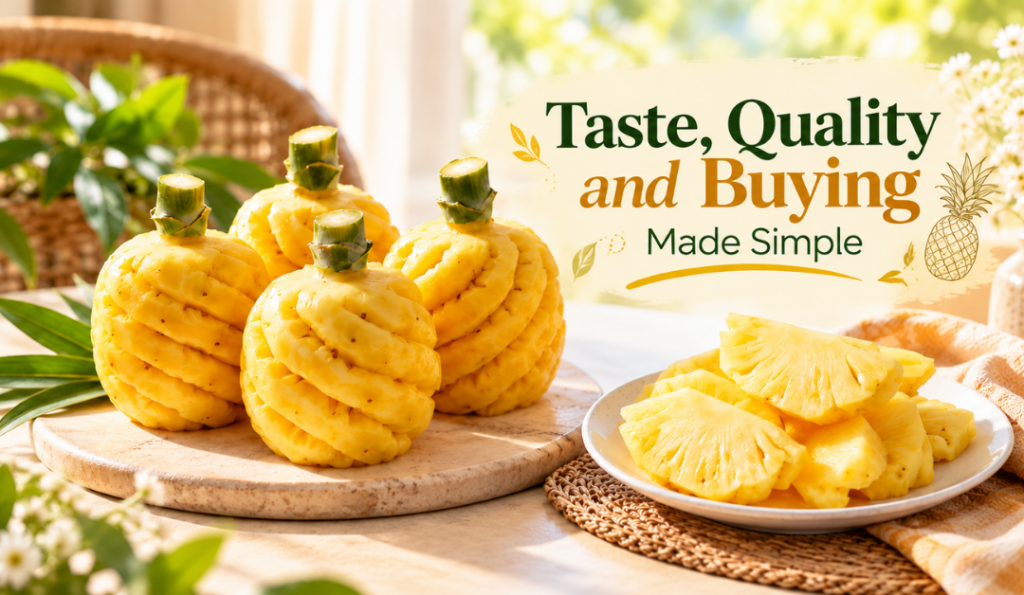
Honey Pineapple has become an interesting choice for fruit lovers who want something sweeter and more distinctive than the usual pineapple. With its juicy flesh, tropical aroma and naturally sweet-tart flavour, it can work just as well in a fresh fruit bowl as it does in desserts, smoothies or a premium fruit gift.
But buying a good Honey Pineapple is about more than choosing the fruit that looks the brightest. Variety, ripeness, firmness, aroma, visible condition, storage and handling all matter. In this guide, we look at what Honey Pineapple is, what it provides nutritionally, its potential health benefits, how to identify a good fruit and how to store and enjoy it at home.
1. What Is Honey Pineapple?
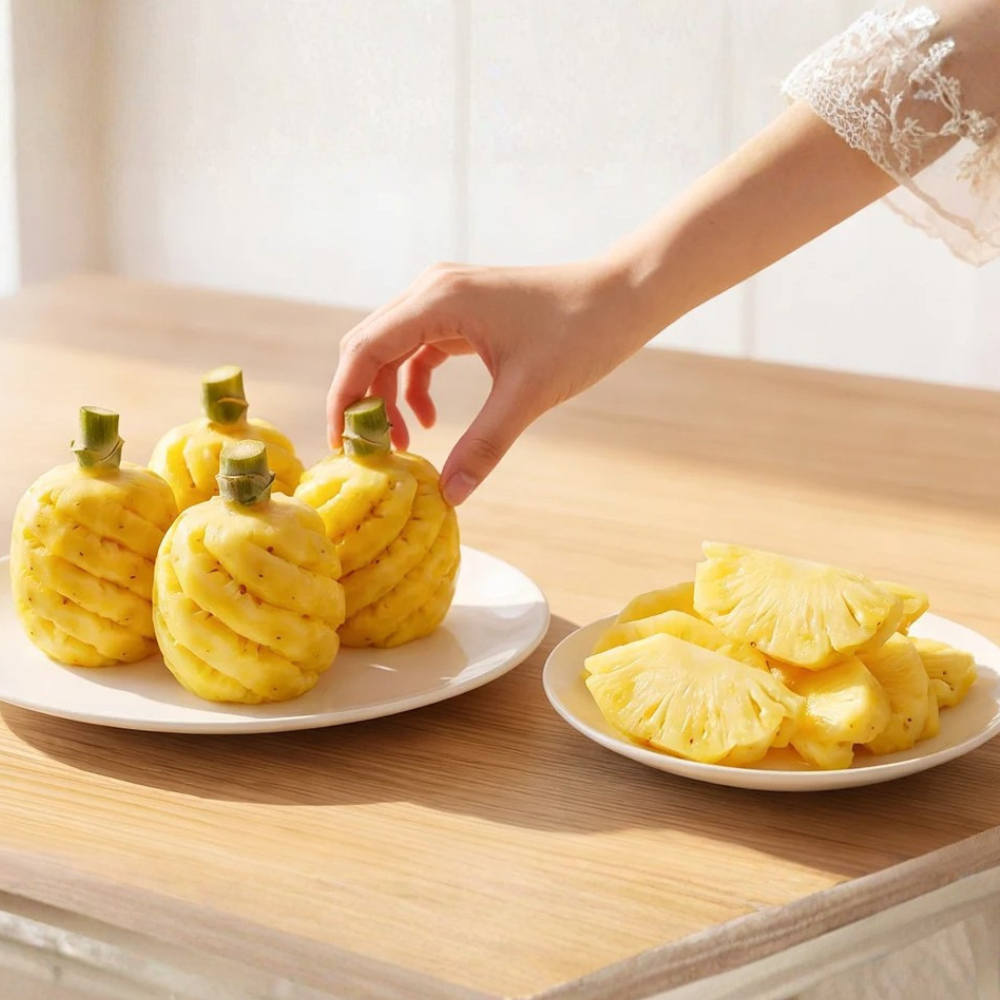
Honey Pineapple refers to a pineapple known for its notably sweet tropical flavour and juicy flesh. It is often chosen by shoppers who prefer a milder, sweeter pineapple experience.
The exact characteristics can vary depending on the variety, growing conditions, maturity and sourcing. That means it is better to look at Honey Pineapple as a specific fruit offering rather than assuming every Honey Pineapple will taste exactly the same.
Some characteristics commonly associated with a good Honey Pineapple include:
- Golden or yellow flesh
- A juicy texture
- Sweet tropical flavour
- Mild acidity
- Fresh pineapple aroma
- Tender flesh when properly ripe
Its premium appeal also comes from the overall eating experience. Instead of simply being another everyday fruit, Honey Pineapple can offer a more distinctive flavour profile for people who enjoy premium tropical produce.
If you are buying Honey Pineapple from a fruit retailer, check the product information for the actual variety and sourcing details. The origin should not be assumed simply from the name.
2. What Does Honey Pineapple Taste Like?

The name may suggest sweetness, but the flavour is more nuanced than simply being “very sweet.”
A well-ripened Honey Pineapple can have a juicy, tropical flavour with noticeable sweetness balanced by some acidity. The flesh can feel tender and refreshing, while the aroma adds to the overall tropical character.
Here is how its characteristics can compare with a conventional pineapple:
| Feature | Honey Pineapple | Regular Pineapple |
|---|---|---|
| Flavour | Often sweeter with a tropical profile | Typically sweet-tart |
| Acidity | Can be milder | Can be more noticeable |
| Texture | Juicy and tender when ripe | Varies by variety and ripeness |
| Aroma | Fresh, tropical aroma | Distinct pineapple aroma |
| Eating experience | Sweet and refreshing | Classic pineapple flavour |
These differences should not be treated as fixed rules. Sweetness, acidity and texture can change depending on the specific variety, maturity, growing conditions and handling.
3. Honey Pineapple Nutrition: What Does It Provide?
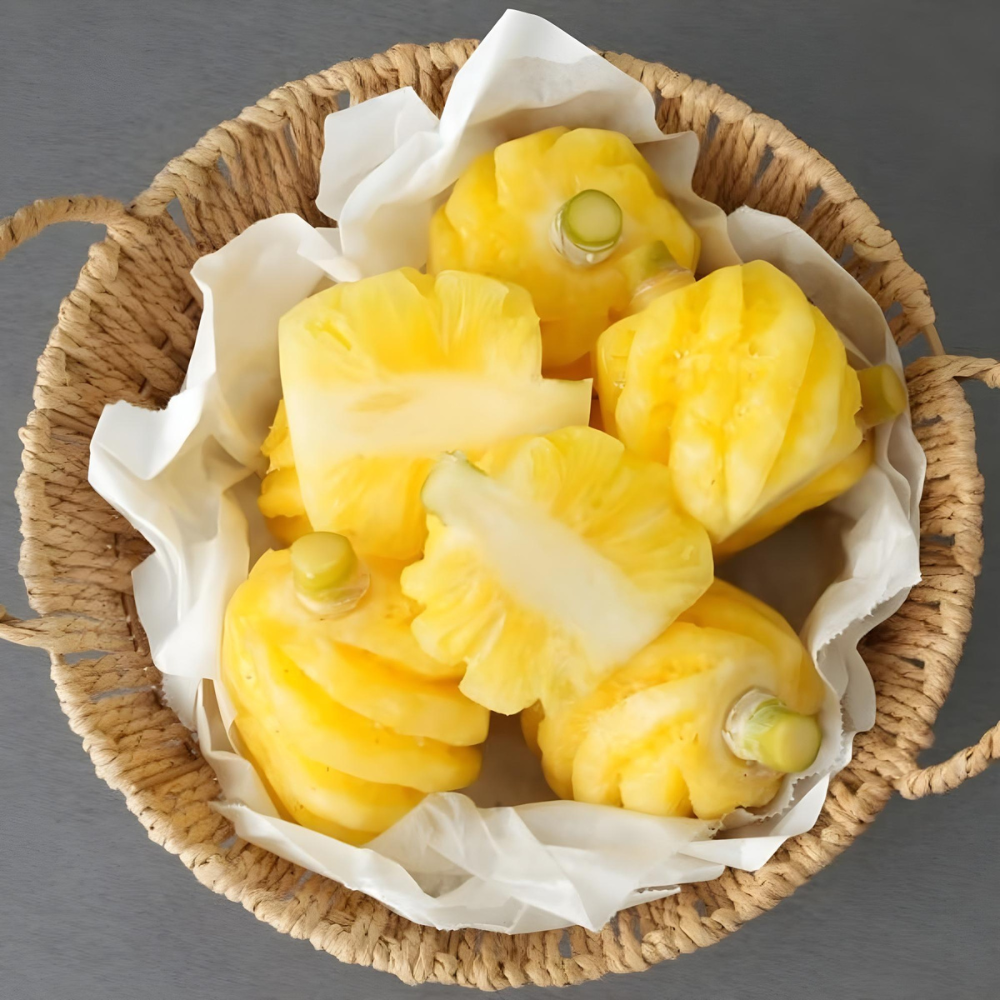
Honey Pineapple provides the nutritional components naturally found in pineapple. As with any fruit, the nutritional value you consume depends partly on how much you eat.
Pineapple is known to provide:
- Calories
- Carbohydrates
- Naturally occurring sugars
- Dietary fibre
- Vitamin C
- Manganese
- Water
The amount of each nutrient can vary depending on the serving size and the specific fruit.
For example, a small portion and an entire pineapple obviously do not provide the same amount of calories or nutrients. This is why nutrition information is most useful when it is presented against a defined serving size.
Honey Pineapple can therefore be viewed as one way to add fruit to a varied diet rather than as a replacement for a balanced range of foods.
Good to know: Nutritional values should be checked against a reliable food database or verified product information when precise numbers are required.
4. Honey Pineapple Health Benefits
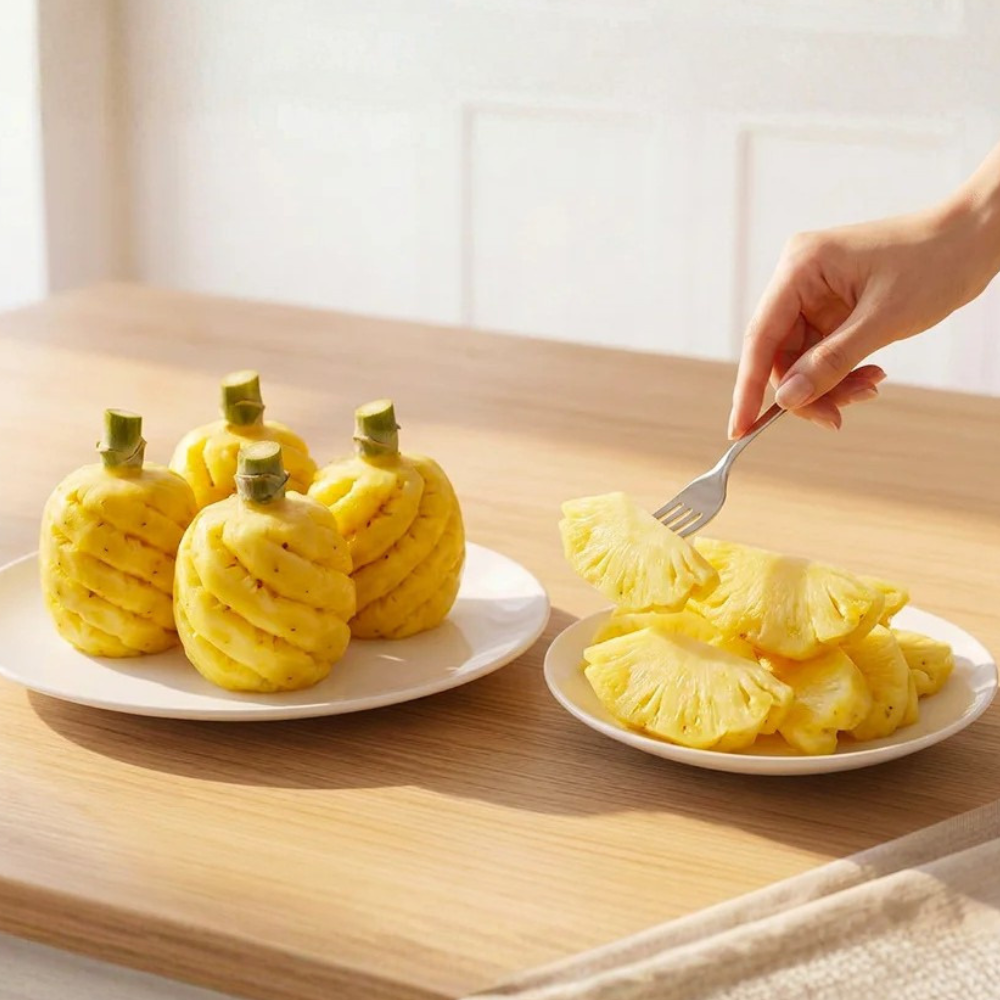
The nutritional profile of pineapple makes it a useful addition to a varied diet. However, it is important to separate established nutritional information from health claims that require further research.
1. A Source of Vitamin C
Pineapple naturally provides vitamin C. Vitamin C is an essential nutrient involved in several normal functions in the body.Including fruits such as pineapple in your diet can therefore contribute to your overall vitamin C intake.
2. Provides Dietary Fibre
Pineapple contains dietary fibre. Fibre is an important part of a balanced diet and is naturally found in many fruits, vegetables, whole grains and other plant foods.Eating whole fruit also provides the benefit of consuming the fruit’s natural fibre rather than only drinking fruit juice.
3. Contains Manganese
Pineapple provides manganese, an essential mineral required by the body.
While a single fruit should not be viewed as a complete source of nutrition, including different fruits and foods in your diet can help provide a wider range of nutrients.
4. Contributes to Fluid Intake
Pineapple contains a high proportion of water, which means eating it can contribute to your overall fluid intake.It should not replace drinking water, but water-rich fruits can be a refreshing part of meals and snacks.
5. Contains Naturally Occurring Plant Compounds
Pineapple contains naturally occurring compounds including bromelain, a group of enzymes associated with pineapple.Bromelain has been studied for various potential effects, but research findings should not be turned into claims that eating pineapple can treat or prevent specific diseases.
For everyday eating, the simplest approach is to enjoy pineapple as part of a varied diet rather than treating it as a medicinal food.
5. How to Choose a Good Honey Pineapple
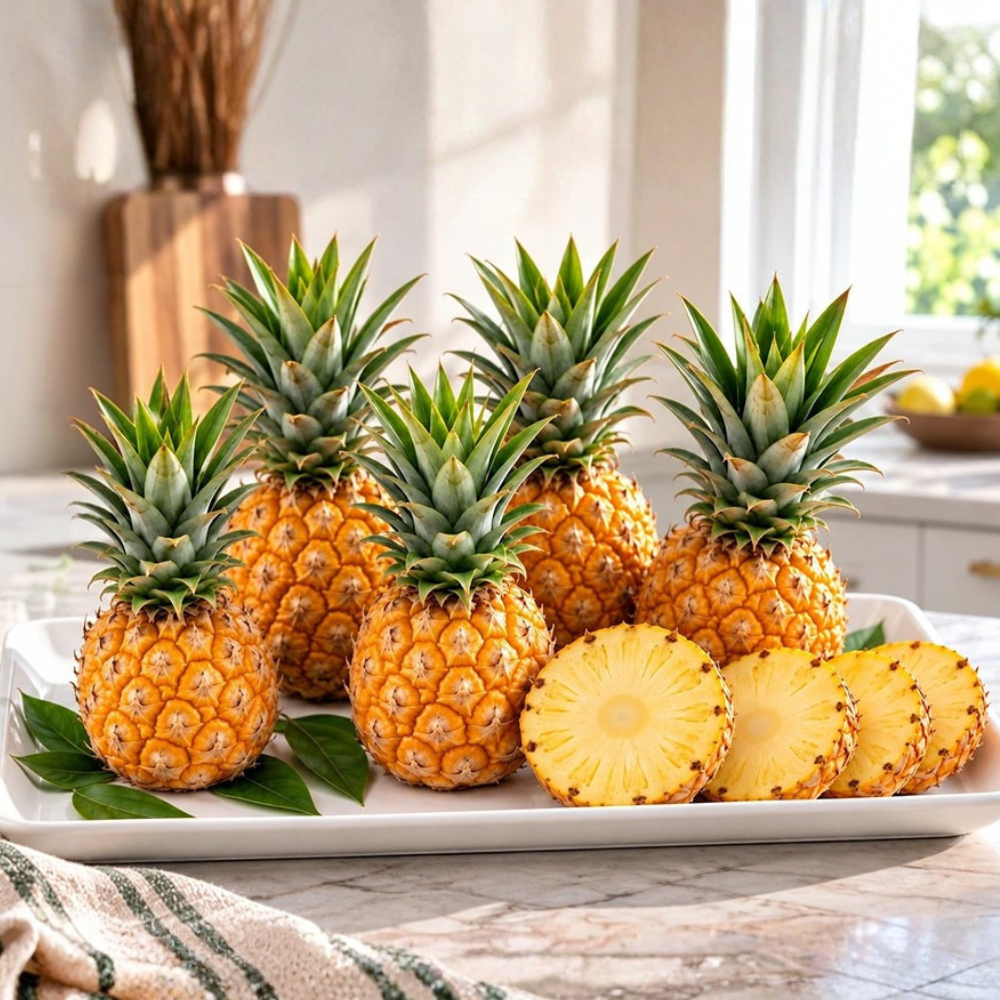
Buying a good Honey Pineapple starts with looking at more than its appearance.
Check the Exterior
Look for a fruit that appears healthy and free from obvious deterioration.
Check for:
- Healthy-looking skin
- Appropriate colour development for the variety
- No obvious mould
- No significant bruising
- No leaking areas
- No visibly damaged sections
A few superficial marks do not necessarily mean a pineapple is spoiled, but obvious deterioration deserves attention.
Check the Firmness
The pineapple should generally feel firm without being rock-hard or excessively soft. An extremely hard fruit may not be ready to eat, while very soft or collapsing areas can indicate over-ripening or deterioration.
Check the Aroma
A fresh pineapple aroma can provide a useful clue when assessing ripeness. A pleasant, characteristic tropical aroma is generally more reassuring than an unpleasant, fermented or unusually strong smell.
Check the Crown
Look at the overall condition of the leaves and crown. Do not rely entirely on the popular idea that pulling out one leaf can tell you whether a pineapple is ripe. Ripeness is better judged using several indicators together.
Check for Damage
Avoid fruit with obvious signs of spoilage, significant leakage, mould or extensive soft areas. The most important point is that no single visual test can guarantee sweetness. The final flavour depends on the fruit’s variety, maturity, growing conditions and handling.
6. How to Tell If Honey Pineapple Is Ripe
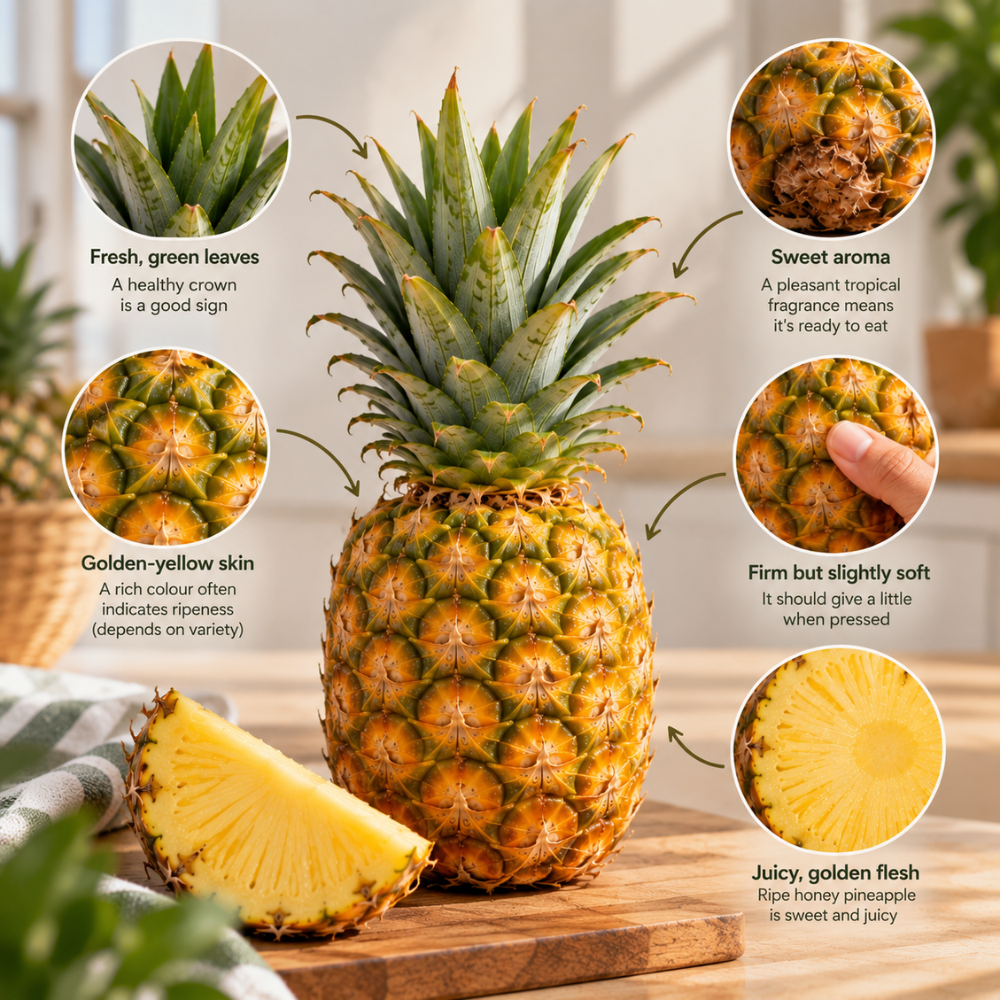
Freshness and ripeness are related but not identical.
A fruit can be in good condition without being ready to eat immediately.
Under-Ripe Honey Pineapple
It may have:
- A firmer texture
- Less-developed aroma
- A less pronounced flavour
Ready-to-Eat Honey Pineapple
It may have:
- A pleasant pineapple aroma
- Appropriate firmness
- Juicy flesh
- A more developed flavour
Overripe Honey Pineapple
Watch for:
- Excessively soft areas
- Leakage
- Unpleasant or fermented odour
- Visible spoilage
One of the biggest mistakes is relying only on the colour of the skin. Skin colour alone is not a reliable guarantee of ripeness or sweetness.
7. How to Store Honey Pineapple After Buying
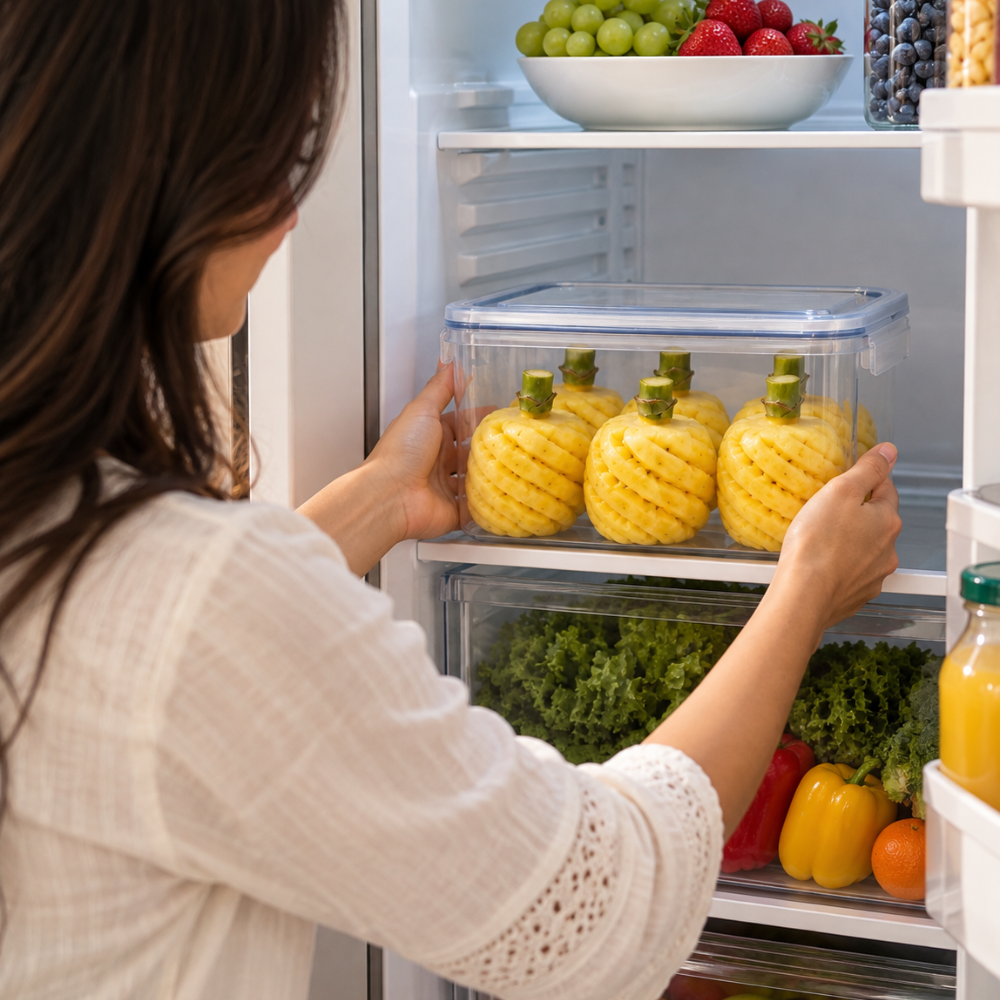
How you store the fruit depends on whether it is whole or already cut.
Whole Honey Pineapple
If the pineapple is not yet ready to eat, its storage needs may differ from a fully ripe fruit. Once it reaches the desired ripeness, refrigeration can help keep it in good condition for longer.
Follow the storage guidance provided by your fruit retailer or a reliable food-safety source for the specific fruit.
Cut Honey Pineapple
Once pineapple has been cut:
- Use a clean knife and cutting surface
- Transfer pieces to a clean, covered container
- Refrigerate promptly
- Avoid leaving cut fruit at room temperature for extended periods
- Follow appropriate food-safety practices
Do not keep cut pineapple indefinitely. Its quality and safety can change over time, so it is best enjoyed while it is fresh.
8. How to Cut and Serve Honey Pineapple
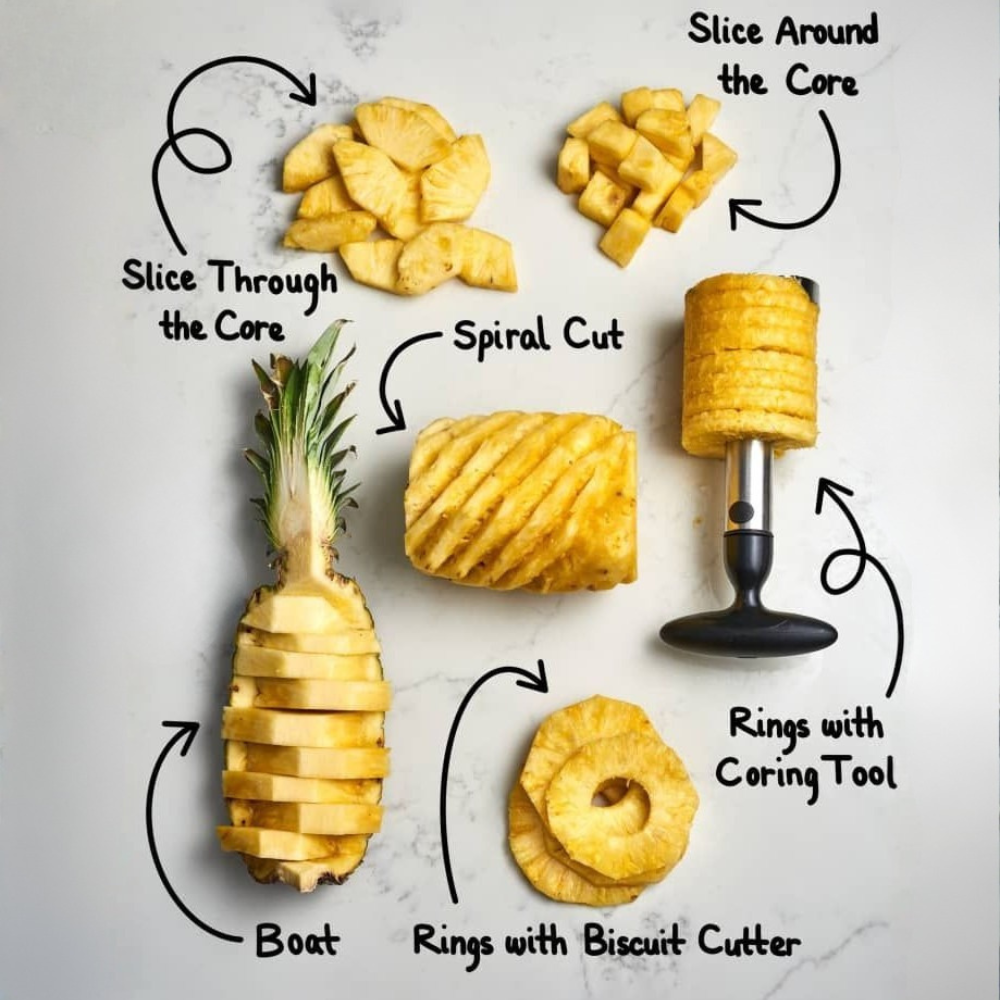
Once you have chosen and stored your Honey Pineapple properly, preparing it is straightforward.
Simple Cutting Method
- Remove the crown.
- Place the pineapple securely on a clean cutting board.
- Cut away the outer skin.
- Remove any remaining eyes.
- Cut the flesh into slices, wedges or chunks.
- Remove the core if you prefer a softer texture.
- Serve immediately or refrigerate the cut pieces appropriately.
Easy Ways to Enjoy Honey Pineapple
You can enjoy it in several simple ways:
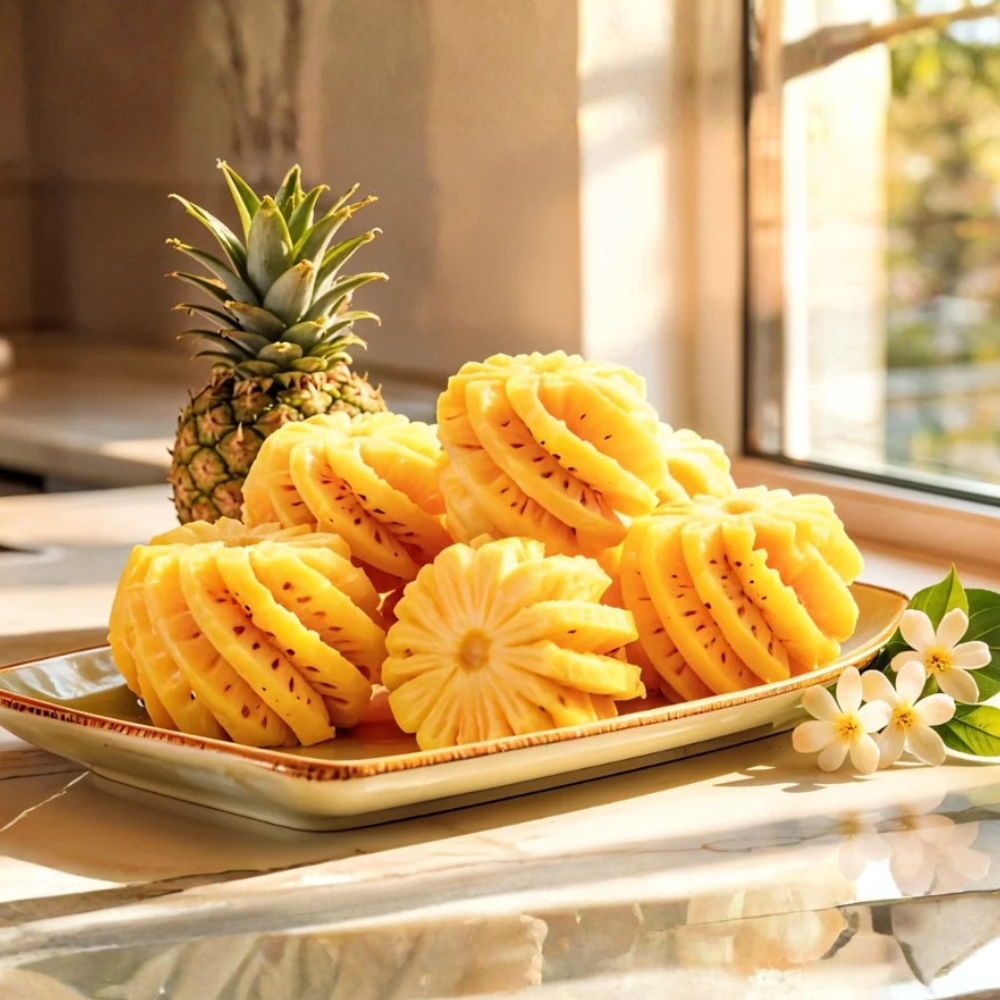
- Fresh slices
- Fruit bowls
- Fruit salads
- Smoothies
- Yogurt bowls
- Desserts
- Grilled pineapple
- Tropical mocktails
Fresh pineapple also works well when you want to add a sweet-tart tropical note to a mixed fruit preparation.
9. How to Pair Honey Pineapple With Other Fruits
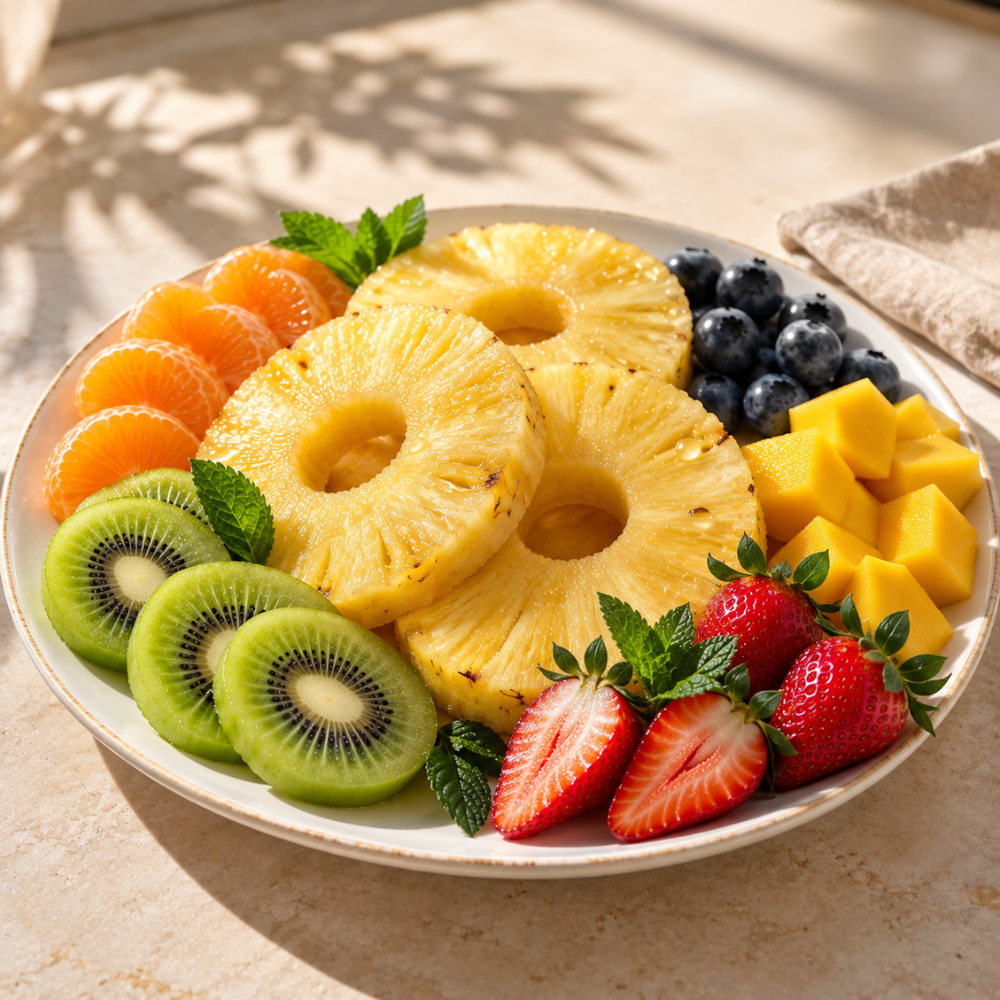
Honey Pineapple can add colour, sweetness and acidity to a mixed fruit selection.
For a Tropical Fruit Bowl
Honey Pineapple + Dragon Fruit + Passion Fruit
This combination brings together several tropical flavours and contrasting colours.
For a Berry Mix
Honey Pineapple + Strawberries + Blueberries
The pineapple adds a juicy tropical element alongside the berries.
For a Fresh Everyday Bowl
Honey Pineapple + Kiwi + Grapes
This creates a simple combination with different textures and flavours.
For a Premium Fruit Gift
Honey Pineapple + Imported Berries + Exotic Fruits
A combination like this can work well when creating a premium fruit gift, provided the selected fruits are currently available.
10. Common Honey Pineapple Buying Mistakes
Even a premium fruit can disappoint when it is chosen without considering ripeness, condition or intended use.
Choosing Only by Colour
A bright-looking pineapple is not automatically sweeter. Look at several signs of condition and ripeness.
Assuming Bigger Means Sweeter
Fruit size does not automatically determine sweetness. Variety, maturity and growing conditions also matter.
Ignoring Damage
Bruising, leakage, mould and unusually soft areas should not be overlooked when selecting fresh produce.
Buying Without Considering When You’ll Eat It
If you plan to eat the pineapple immediately, its ripeness matters. If you plan to keep it for later, consider its current condition and appropriate storage.
Treating Every Pineapple the Same
Different pineapple varieties can have different characteristics. Learn about the particular fruit you are buying rather than relying entirely on assumptions about conventional pineapple.
11. How ProFruits Handles Honey Pineapple
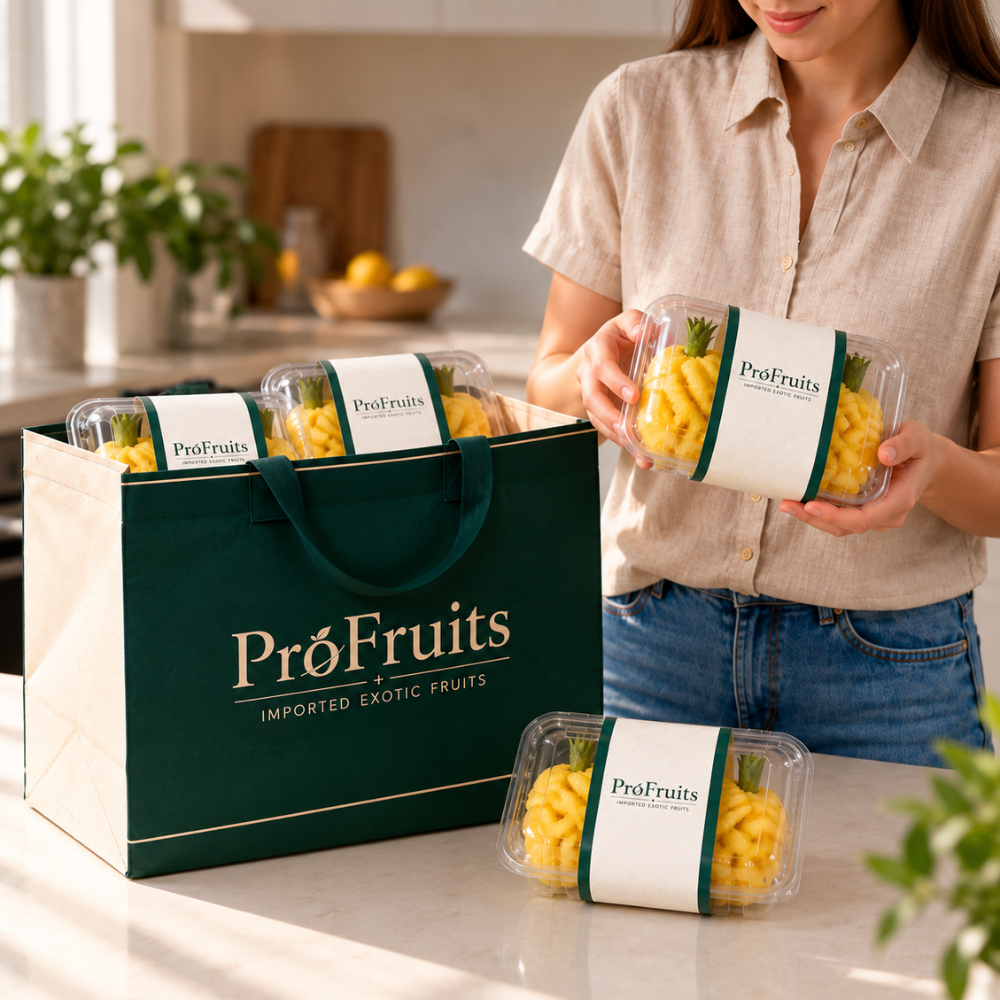
The journey from fruit selection to delivery can affect the final customer experience.
For ProFruits, the process should be explained using the brand’s actual verified operational practices, rather than generic claims.
A simple framework is:
Sourcing → Selection → Quality Check → Packing → Delivery
Sourcing
Explain where ProFruits’ Honey Pineapple is currently sourced from, provided this information is verified.
Selection
Describe how suitable fruits are selected for customer orders.
Quality Check
Explain the actual checks performed on incoming fruit, such as appearance, condition or ripeness, if these are part of the operational process.
Packing
Explain how Honey Pineapple is packed for delivery and how the fruit is protected during transportation.
Delivery
Describe how orders are prepared for delivery across Mumbai based on ProFruits’ actual delivery process.
From the ProFruits Team
“Our goal is to select fruit based on condition and eating quality, not simply appearance.”
Only use a quote like this if it reflects a real statement from your team. A genuine first-hand comment will add far more credibility than a manufactured testimonial.
12. Is Honey Pineapple Worth Buying?
Whether Honey Pineapple is the right choice depends on what you want from a pineapple.
Honey Pineapple may suit you if:
- You prefer a sweeter tropical flavour
- You enjoy trying premium fruit varieties
- You want something different from conventional pineapple
- You enjoy fresh fruit bowls
- You like using fruit in desserts and drinks
- You want to include a distinctive fruit in a premium gift
You may prefer another pineapple variety if:
- You prefer a stronger sweet-tart flavour
- You are looking for a particular price point
- You have specific size requirements
- Honey Pineapple is not currently available
The important thing is to choose based on your preferences rather than assuming that one pineapple variety is universally better than another
Wrapping Up!
Honey Pineapple is a sweet, juicy and premium tropical fruit, ideal for snacking, desserts, fruit bowls and gifting. When buying, check its firmness, aroma, condition and ripeness. For Mumbai fruit lovers, ProFruits offers Honey Pineapple along with premium and exotic fruits, subject to availability.
Try Honey Pineapple and pair it with your favourite premium fruits.
FAQs
1. What is Honey Pineapple?
Honey Pineapple is a pineapple known for its sweet tropical flavour and juicy flesh. Its exact characteristics can vary depending on variety, maturity, growing conditions and source.
2. Is Honey Pineapple sweeter than regular pineapple?
It is generally associated with a sweeter and often milder flavour profile, but actual sweetness can vary between individual fruits depending on maturity and growing conditions.
3. What are the health benefits of Honey Pineapple?
Honey Pineapple provides nutrients naturally found in pineapple, including vitamin C, dietary fibre and manganese. It can be part of a varied and balanced diet but should not be treated as a cure or treatment for a health condition.
4. Does Honey Pineapple contain vitamin C?
Yes. Pineapple naturally contains vitamin C. The amount you receive depends on the serving size and the individual fruit.
5. How do I know if Honey Pineapple is ripe?
Check several signs together, including aroma, firmness and overall condition. A pleasant pineapple aroma and appropriate firmness can indicate a fruit that is ready to eat. Skin colour alone should not be used as the only ripeness test.

Hi, I’m Yash, and I’m passionate about helping people create meaningful connections through thoughtful gifting. As the Marketing Manager at BloomsFlora Flowers & Gifts LLC, I focus on making every gifting experience easy, joyful, and memorable. With a love for digital marketing and all things floral, I enjoy sharing fresh ideas, practical tips, and inspiration to help you choose the perfect gift for every occasion through my blogs. When I’m not crafting new strategies or writing, you’ll find me at the gym, recharging and staying ready for the next challenge! Let’s make every gift a reason to smile.