
Introduction
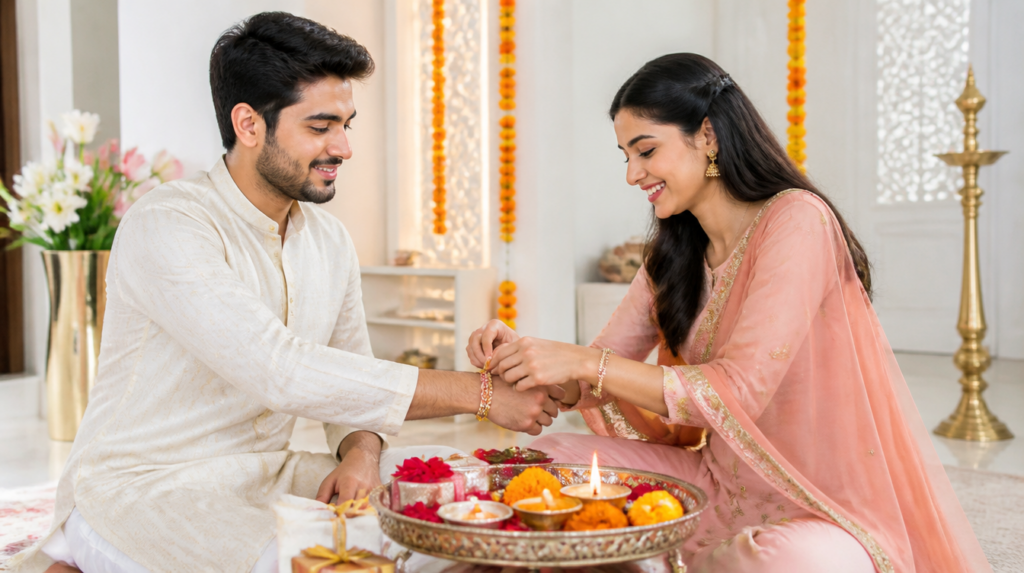
Raksha Bandhan is a beautiful celebration of the special bond shared between siblings. More than a traditional festival, it is a time to express love, gratitude, care, and appreciation for family, bringing siblings together through meaningful rituals, heartfelt conversations, delicious food, and thoughtful gifts. The name Raksha Bandhan comes from two Sanskrit words: “Raksha,” meaning protection, and “Bandhan,” meaning bond or connection.
Traditionally, a sister ties a Rakhi, a sacred thread, around her brother’s wrist as a symbol of love and affection, while the brother promises to support and care for her. Today, the celebration represents the lasting emotional connection between siblings, regardless of distance or age. From understanding the meaning and significance of Raksha Bandhan to exploring how families celebrate it today, the festival is filled with simple yet meaningful traditions such as tying the Rakhi, exchanging gifts, and sharing sweets, fresh fruits, and festive treats that make the occasion warm, personal, and memorable.
What Is Raksha Bandhan?
A. The core ritual of Raksha Bandhan
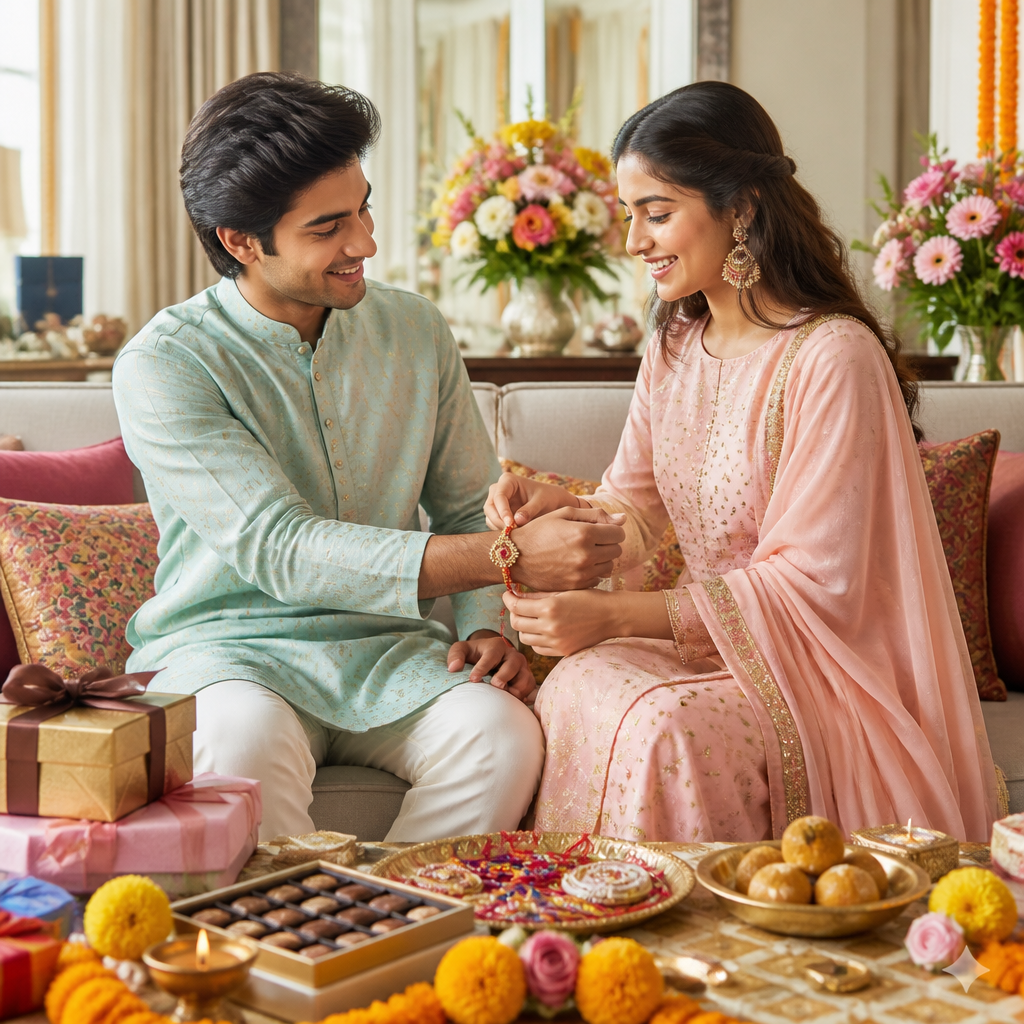
- Tying the Rakhi: The main ritual involves a sister tying a Rakhi around her brother’s wrist. The Rakhi is a symbolic thread representing the bond shared between them.
- Applying tilak and offering prayers: Traditionally, the sister applies a tilak to her brother’s forehead and performs aarti as part of the celebration.
- Exchanging blessings: The ritual is accompanied by prayers and good wishes for the sibling’s health, happiness, and well-being.
- Promise of support: The brother traditionally promises to protect and support his sister. Today, this idea is often understood more broadly as a mutual promise to stand by and care for each other.
- Exchanging gifts: After the Rakhi ceremony, siblings often exchange thoughtful gifts, sweets, chocolates, flowers, or other presents as a way of expressing affection.
B. When is Raksha Bandhan celebrated?
Raksha Bandhan is celebrated on the full moon day, known as Purnima, in the Hindu month of Shravana. This usually falls in July or August, depending on the Hindu lunar calendar.
Because the festival follows the lunar calendar, its date changes every year. Families often check the annual Raksha Bandhan date before planning Rakhi ceremonies, family gatherings, gifts, and celebrations.
C. What does the Rakhi symbolise?
The Rakhi is more than just a decorative thread. It represents the emotional connection, affection, trust, and support shared between siblings. Traditionally, it is associated with a brother’s promise to protect his sister, while the sister’s act of tying the Rakhi expresses her love and good wishes.
In modern celebrations, the meaning has become more inclusive. The emphasis is increasingly placed on mutual care and emotional support, rather than protection being understood as only the brother’s responsibility.
D. Raksha Bandhan beyond brothers and sisters
Although Raksha Bandhan is traditionally associated with the brother-sister relationship, the festival is also celebrated in different ways today.
- Cousins: Rakhis may be exchanged between cousins who share a close sibling-like relationship.
- Close friends: Some people use the occasion to celebrate friendships built on trust, care, and support.
- Other meaningful relationships: Rakhis can also symbolise appreciation for people who have played an important supportive role in someone’s life.
- Long-distance siblings: When siblings cannot celebrate together, they often send Rakhis, gifts, flowers, sweets, or fruit hampers to express their feelings from afar.
Why Do We Celebrate Raksha Bandhan?
Raksha Bandhan celebrates the love, trust, care, and lifelong bond between siblings. It is a time for families to come together, exchange blessings and gifts, and strengthen their relationships.
A. Strengthening Family Bonds
- Celebrates the special bond between brothers and sisters.
- Expresses love, gratitude, care, and support.
- Brings families together and creates meaningful memories.
- Helps pass cultural traditions to younger generations.
B. Historical and Mythological Roots
- Lord Krishna and Draupadi: Their story represents affection, trust, and protection.
- Queen Karnavati and Emperor Humayun: A popular historical account associated with the Rakhi as a symbol of protection and goodwill.
- Indra and Sachi: A traditional story connecting protective threads with blessings and safety.
C. Promoting Social Harmony
Raksha Bandhan also encourages unity, goodwill, forgiveness, and mutual respect. Today, the celebration can extend beyond siblings to cousins, close friends, and other meaningful relationships, making it a broader celebration of love and support.
The Role of Food and Gifting in the Celebration
A. Sweetening the Bond
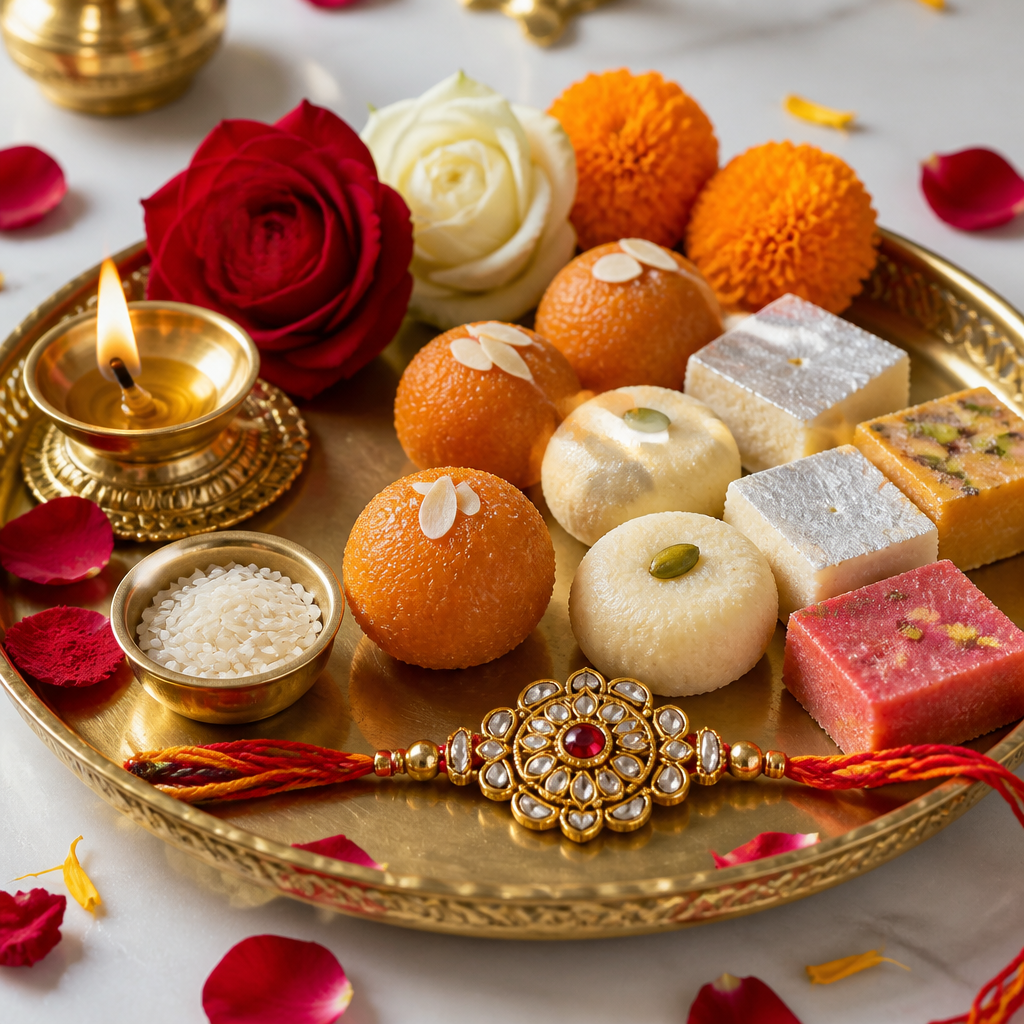
Traditional Raksha Bandhan celebrations are often incomplete without mithai, sweets, and festive meals. Sharing delicious food adds joy to the occasion and gives families an opportunity to sit together, celebrate, and create happy memories.
B. Sharing Fresh Fruits and Festive Treats
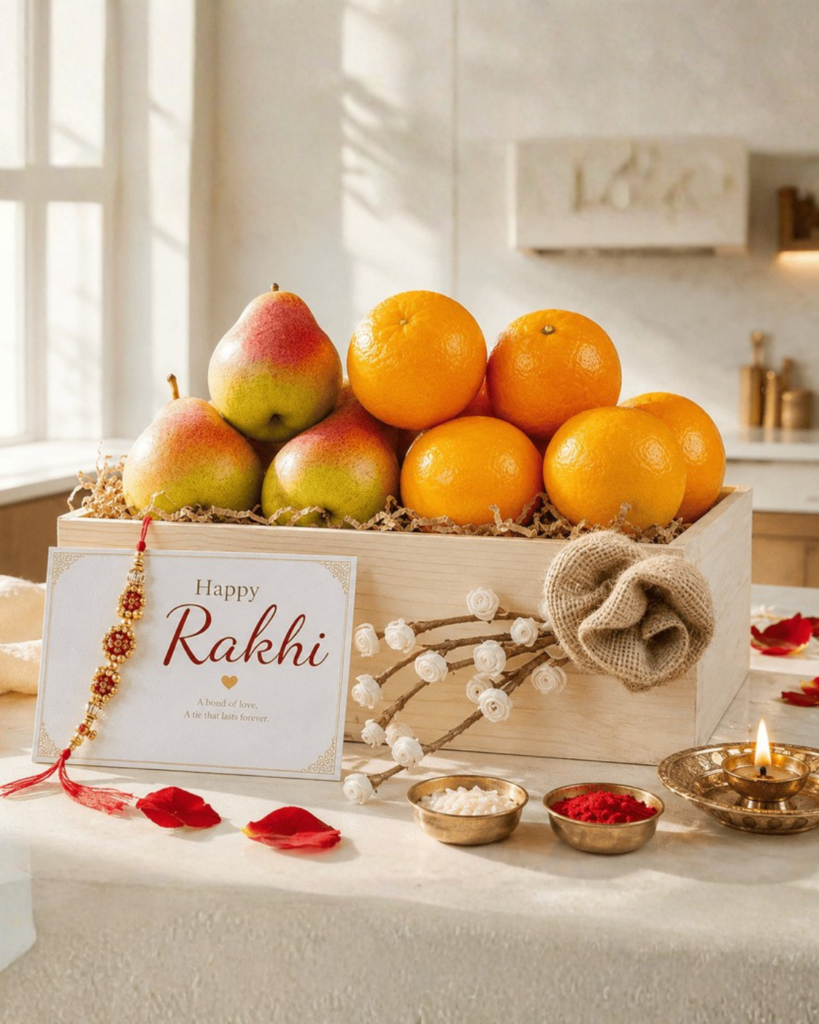
Fresh fruits can be a thoughtful addition to the celebration, especially for families looking for a fresh and healthier gifting option. A beautifully arranged fruit hamper can be shared with siblings and family members, making it both practical and festive.
C. Expressing Love Through Thoughtful Gifts
Gifts are a meaningful way to show love, appreciation, and gratitude. Siblings may exchange flowers, chocolates, dry fruits, fruit hampers, personalised gifts, or other items that reflect the recipient’s personality and preferences.
D. Bringing Families Together
Food and gifts help make Raksha Bandhan more memorable by creating opportunities for sharing and togetherness. Whether siblings celebrate at home or send gifts from a distance, these gestures help maintain the emotional connection and make loved ones feel remembered.
Conclusion
Raksha Bandhan is more than a traditional festival; it is a celebration of sibling love, family bonds, and mutual care. From its ancient stories and meaningful Rakhi rituals to modern traditions of gifting and sharing food, the festival continues to bring people closer while reflecting timeless values of love, support, and togetherness.
This Raksha Bandhan, celebrate the people who make life special by spending quality time together, sharing thoughtful gifts, and enjoying fresh fruits and festive treats with family. After all, the best way to celebrate the bond is by sharing love, health, happiness, and memorable moments together.
FAQs
1. What is Raksha Bandhan?
Raksha Bandhan is a traditional Indian festival that celebrates the special bond between siblings. A sister traditionally ties a Rakhi around her brother’s wrist, while siblings exchange blessings, gifts, and good wishes.
2. Why do we celebrate Raksha Bandhan?
Raksha Bandhan is celebrated to express love, care, gratitude, and support between siblings. It also brings families together and helps preserve cultural traditions.
3. When is Raksha Bandhan celebrated?
Raksha Bandhan is celebrated on the full moon day, or Purnima, of the Hindu month of Shravana. The exact date changes each year according to the Hindu lunar calendar.
4. What are some common Raksha Bandhan gifts?
Popular Raksha Bandhan gifts include flowers, chocolates, sweets, dry fruits, fresh fruit hampers, personalised gifts, and wellness-focused presents. The best gift is one that reflects the recipient’s preferences and shows thoughtfulness.
5. Can fruits be given as a Raksha Bandhan gift?
Yes. A fresh fruit hamper can be a thoughtful and refreshing Raksha Bandhan gift. It is especially suitable for families and siblings who appreciate healthy, delicious, and practical gifts that can be shared together.

Hi, I’m Aman, and I’m passionate about helping people celebrate life’s special moments through thoughtful gifting. As the Managing Director at BloomsFlora Flowers & Gifts LLC, I combine creativity, digital strategy, and SEO expertise to make every gifting experience meaningful and easy. Through my blogs, I share fresh ideas and practical tips to help you choose the perfect gift while exploring how digital marketing shapes today’s floral industry. When I’m not working, I recharge at the gym, finding new energy for the next challenge!