

Fruits for pregnancy are one of the most common nutrition questions Indian mothers search for — and one of the most confusing to find a clear answer on. Between well-meaning relatives, conflicting internet advice, and genuine medical concerns, it is hard to know what is actually safe, what is genuinely beneficial, and what should be avoided entirely.
This guide cuts through the noise. Based on nutritional science and medical consensus, here are the 7 best fruits to eat during pregnancy in India — and the 3 fruits to avoid — with honest, practical explanations for each.
⚠️ Medical disclaimer: This blog is for informational purposes only and does not constitute medical advice. Every pregnancy is different. Always consult your gynaecologist or registered dietitian before making significant changes to your pregnancy diet.
Why Eating the Right Fruits During Pregnancy Matters
During pregnancy, your body’s nutritional requirements increase significantly. Your baby depends entirely on what you eat for every vitamin, mineral, and macronutrient needed to grow from a single cell into a fully formed human being. Fresh fruit is one of the most efficient ways to deliver those nutrients — naturally, without processing, and in a form your body absorbs well.
But not all fruits are equal during pregnancy. Some are exceptionally beneficial at specific trimesters. Others contain compounds that can trigger uterine contractions or interfere with hormonal balance. Knowing the difference is not just useful — it is genuinely important.
Here is what changes by trimester and what your body needs most:
Focus: Folate, Vitamin B6, Vitamin C. Manage nausea. Support neural tube development. Avoid anything that triggers contractions.
Focus: Iron, Calcium, Vitamin A. Baby’s bones, eyes, and organs develop rapidly. Energy needs increase by ~340 calories/day.
Focus: Omega-3, Potassium, Vitamin K. Baby gains maximum weight. Support brain development and prepare body for labour.
7 Best Fruits to Eat During Pregnancy in India
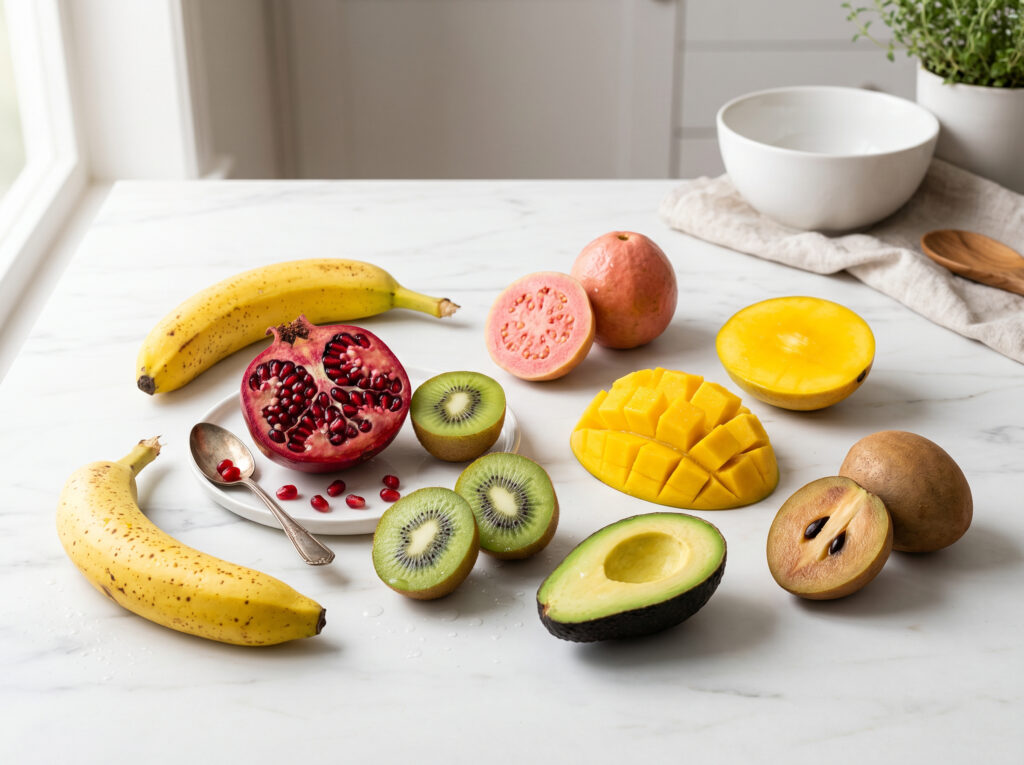
🍌 Banana — The Everyday Pregnancy Superfood
Banana is arguably the most practical pregnancy fruit in India. It is cheap, widely available year-round, easy to eat, and addresses several of the most common pregnancy complaints simultaneously. The Vitamin B6 content is particularly valuable in the first trimester — it is one of the few nutrients that directly helps reduce nausea and morning sickness, which affects a majority of Indian pregnant women between weeks 6 and 12.
The potassium in bananas helps regulate blood pressure and fluid balance — important as blood volume increases during pregnancy. The fibre content (around 2.6g per medium banana) helps prevent constipation, which is extremely common in pregnancy due to hormonal changes slowing digestion.
How to eat: Daily, as a morning snack. Blend into a smoothie with milk and a pinch of cardamom. Mash into a bowl of curd for a quick, nutrient-dense breakfast.
✅ All trimesters🍎 Pomegranate — The Iron-Booster Every Indian Mother Needs
India has one of the highest rates of anaemia in pregnant women globally — and pomegranate is one of the most effective natural dietary tools against it. Pomegranate is rich in iron and, critically, it contains Vitamin C which significantly enhances the absorption of non-haem iron from plant-based foods. Drinking pomegranate juice or eating the arils regularly has been shown to help boost haemoglobin levels naturally.
Beyond iron, pomegranate contains folate — essential in the first trimester to prevent neural tube defects — and a rich array of antioxidants including punicalagin that protect both mother and baby from oxidative stress. Some research also links regular pomegranate consumption during pregnancy to better foetal brain development.
How to eat: Fresh arils as a snack, or a glass of fresh pomegranate juice (no sugar added) with breakfast. Pair with iron-rich foods like dal or spinach to maximise absorption.
✅ All trimesters — especially 2nd & 3rd🍐 Guava — India’s Underrated Pregnancy Powerhouse
Guava contains more Vitamin C per 100g than any other commonly available fruit in India — far more than oranges. A single guava provides over 200% of the daily Vitamin C requirement, which supports immunity, collagen production for the growing baby, and significantly improves iron absorption from vegetarian food sources. For Indian vegetarian mothers, this makes guava exceptionally valuable.
Guava is also rich in folate and dietary fibre (5.4g per 100g), making it one of the best fruits to eat during pregnancy for preventing both anaemia and constipation simultaneously. The fibre also helps relax uterine muscles, reducing cramps. Its relatively low glycaemic index makes it safer for women with gestational diabetes compared to high-sugar tropical fruits.
How to eat: Sliced with a pinch of black salt (kala namak) as an afternoon snack. Blend with mint and lime for a fresh drink. Eat the skin — most of the Vitamin C is concentrated near it.
✅ All trimesters — especially 1st trimester for folate🥭 Mango — The Seasonal King With Pregnancy Benefits
Mango is one of the richest natural sources of Vitamin A available in India — and Vitamin A is critical during pregnancy for foetal eye development, skin formation, and immune system development. A single mango provides over 25% of the daily Vitamin A requirement. It is also high in Vitamin C and folate, supporting neural tube development in the first trimester.
Mango is seasonal (April–June in India), calorie-dense, and high in natural sugar, so it should be eaten in moderation — one medium mango per day is a good guideline. Women with gestational diabetes should discuss mango intake with their doctor. But for healthy pregnancies, fresh seasonal mango is an excellent, culturally familiar pregnancy fruit that many Indian women already love.
How to eat: Freshly sliced with breakfast or as a mid-morning snack. Blend into a lassi with curd and a pinch of cardamom. Avoid raw or unripe mango in large quantities during early pregnancy.
✅ 2nd & 3rd trimester — seasonal (April–June)🥝 Kiwi — The Folate-Dense Exotic Worth Adding
Kiwi is one of the densest natural sources of folate available — a single kiwi provides around 17% of the daily folate requirement, making it one of the best fruits to eat during pregnancy particularly in the first trimester when neural tube development is most critical. This is especially relevant in India where dietary folate intake from food alone is often insufficient.
Kiwi is also rich in Vitamin K, which plays a crucial role in blood clotting — important during delivery. Its Vitamin C content rivals oranges, and its fibre helps manage the constipation that is near-universal in Indian pregnancies. Golden kiwi (Zespri) has a sweeter, milder flavour and is particularly well-suited to Indian palates new to the fruit.
How to eat: Halved and scooped with a spoon. Sliced into a fruit salad with banana and pomegranate. Add to a morning smoothie. Available year-round through premium importers including ProFruits.
✅ All trimesters — especially 1st trimester🥑 Avocado — The Folate & Healthy Fat Champion
Avocado contains more folate than any other commonly available fruit — making it one of the most important fruits to eat during pregnancy, particularly in the critical first 12 weeks when the neural tube is forming. A single avocado provides around 40% of the daily folate requirement, making it a genuinely exceptional dietary supplement for Indian pregnant mothers.
Beyond folate, avocado is uniquely rich in choline — a nutrient that supports foetal brain and nervous system development and is chronically under-consumed in Indian diets. Its monounsaturated fats improve the absorption of fat-soluble vitamins (A, D, E, K) from other foods eaten alongside it. The high potassium content (more than a banana) helps manage leg cramps — one of the most common complaints in the third trimester.
How to eat: Mash onto whole wheat toast with lemon and black salt. Add to a fruit smoothie. Mix into a kachumber salad. Make avocado paratha — a buttery, nutrient-dense Indian flatbread that requires no added oil.
✅ All trimesters — especially 1st & 3rd🧋 Chikoo (Sapodilla) — The Gentle Indian Pregnancy Fruit
Chikoo (sapodilla) is one of the most beloved and underappreciated pregnancy fruits in India. It is gentle on the stomach, naturally sweet, and rich in iron and calcium — two nutrients that Indian pregnant women are most commonly deficient in. Its tannin content has natural anti-inflammatory and anti-diarrhoeal properties that can help manage digestive instability in the first trimester.
Chikoo is also rich in Vitamin A (critical for foetal eye development) and magnesium (reduces pregnancy-related muscle cramps). Its soft texture and sweetness make it particularly appealing when appetite is low or nausea is a factor. It is one of the few fruits that is culturally well-known and widely accepted across all Indian communities as safe for pregnancy.
How to eat: Fresh, peeled, and eaten as a snack. Blended into a milkshake with cold milk and a pinch of cardamom. One or two chikoos per day is an ideal serving.
✅ All trimesters — especially 1st trimester for nauseaProFruits tip: For fruits during pregnancy in India, freshness and quality matter enormously. Imported fruits like kiwi and avocado sourced through cold-chain delivery retain significantly more of their folate and Vitamin C than fruits that have been sitting in retail for days. Browse ProFruits’ imported fruit range →
3 Fruits to Avoid During Pregnancy in India
The following three fruits are not universally dangerous — but they contain specific compounds that, particularly in large quantities or during certain trimesters, pose genuine risks to pregnancy. This section addresses one of the most searched pregnancy nutrition questions in India.
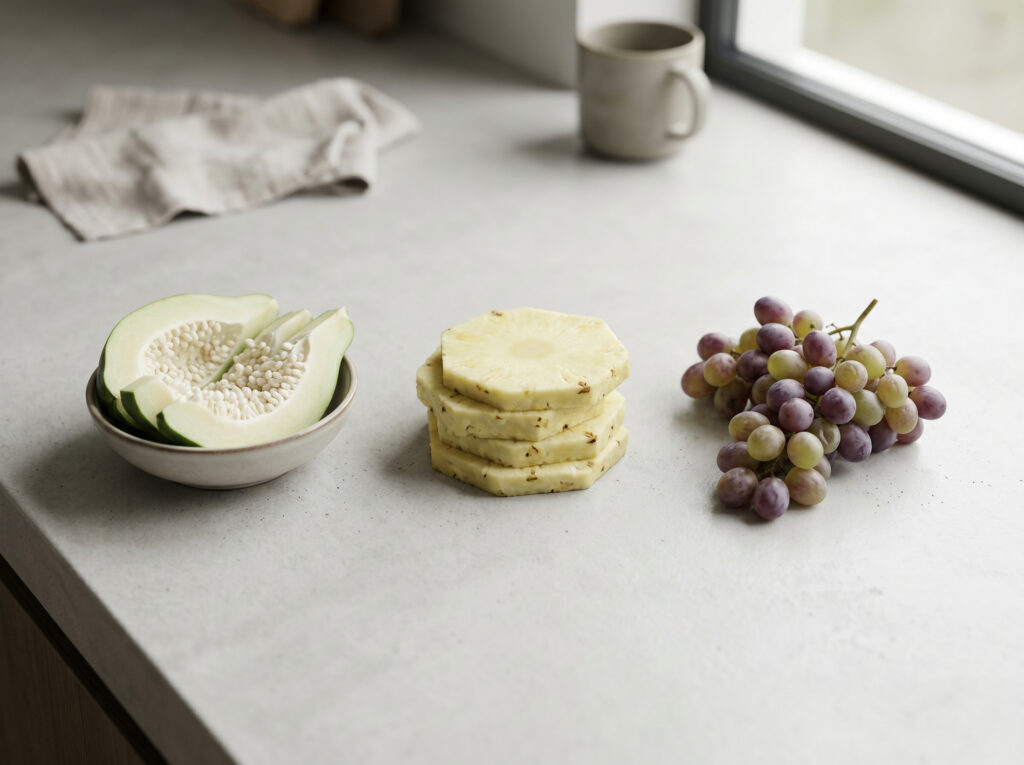
🍋 Unripe Papaya — The Clearest Danger
Unripe or semi-ripe papaya is the fruit most consistently warned against by Indian gynaecologists — and for clear scientific reasons. Raw papaya contains papain and latex, compounds that can trigger uterine contractions. Papain, an enzyme found in high concentrations in unripe papaya, mimics prostaglandins — the hormones used medically to induce labour. The latex present in the white fluid that oozes from unripe papaya skin has been shown in studies to stimulate oxytocin, which also triggers contractions.
In early pregnancy, these contractions can cause miscarriage. In later pregnancy, they can trigger premature labour. This is not a folk myth — it is backed by research and is why papaya is consistently on the “avoid” list in medical guidance for Indian pregnant women.
⚠️ What about ripe papaya? Fully ripe, soft, orange papaya has significantly lower papain and latex concentrations. Small portions of fully ripe papaya are generally considered safe by most doctors — but during the first trimester specifically, it is safest to avoid it entirely. Always consult your gynaecologist before including papaya in your pregnancy diet.
🍍 Pineapple — The Bromelain Risk
Pineapple contains bromelain — a natural enzyme that, in large quantities, has been shown to soften the cervix and potentially stimulate early uterine contractions. The enzyme is found in highest concentrations in the core of the pineapple. The concern is most significant in the first trimester when the risk of miscarriage is highest.
The amount of pineapple typically eaten in a normal serving is unlikely to cause harm — the doses required to trigger contractions in studies were very large. However, given that pineapple is also highly acidic and commonly worsens heartburn and acid reflux (already prevalent in Indian pregnancies), most Indian gynaecologists advise limiting or avoiding it, particularly in the first trimester.
ℹ️ Practical guidance: A few occasional slices of fresh pineapple are unlikely to cause harm in the second or third trimester. But large quantities, pineapple juice, or pineapple consumed daily — especially in the first trimester — should be avoided. Canned pineapple has lower bromelain as heat processing deactivates the enzyme.
🍇 Grapes in Excess — The Pesticide & Heat Concern
Grapes sit in a more nuanced category than papaya or pineapple. The concern comes from two directions: resveratrol (a polyphenol in grapes that can disrupt hormonal balance in large quantities, particularly in the third trimester) and the significant pesticide load that commercially grown grapes carry. Indian grapes are among the most heavily pesticide-sprayed fruits in the domestic market.
Traditional Indian medical wisdom (as well as Ayurvedic guidance) also classifies grapes as a “heat-generating” food that can be uncomfortable in pregnancy, particularly in the third trimester. While moderate consumption is not banned by most gynaecologists, Indian pregnant women are consistently advised to keep grape intake minimal — and to wash them extremely thoroughly when eaten.
ℹ️ Practical guidance: Small handfuls of thoroughly washed grapes are generally safe in the first and second trimester. Avoid large quantities, especially in the third trimester. If buying grapes for pregnancy, opt for imported grapes from New Zealand or Chile which have stricter pesticide regulation than domestic varieties.
Quick Reference: Fruits During Pregnancy — Safe or Avoid?
| Fruit | Status | Best Trimester | Key Nutrient |
|---|---|---|---|
| Banana | Safe | All | Vitamin B6, Potassium |
| Pomegranate | Safe | All, esp. 2nd & 3rd | Iron, Folate |
| Guava | Safe | All | Vitamin C, Folate |
| Mango (ripe) | Safe | 2nd & 3rd | Vitamin A |
| Kiwi | Safe | All, esp. 1st | Folate, Vitamin C |
| Avocado | Safe | All, esp. 1st & 3rd | Folate, Choline, Healthy fats |
| Chikoo / Sapodilla | Safe | All | Iron, Calcium |
| Apple | Safe | All | Fibre, Vitamin C |
| Orange / Mosambi | Safe | All | Vitamin C, Folate |
| Unripe Papaya | Avoid | All trimesters | High papain / latex risk |
| Pineapple (large amounts) | Caution | Avoid in 1st trimester | Bromelain concern |
| Grapes (excess) | Caution | Limit in 3rd trimester | Pesticide + resveratrol |
Source: USDA FoodData Central
Practical Tips for Eating Fruits During Pregnancy in India
Always wash thoroughly
Fruit skin and surfaces carry bacteria, pesticide residues, and soil contaminants that can cause foodborne illness. During pregnancy, your immune system is naturally suppressed to protect the foetus — making you more vulnerable to infections like Listeria and Salmonella. Wash all fruit under running water and scrub with a soft brush, even if you plan to peel it.
Eat whole fruit, not just juice
Fresh fruit juice removes most of the fibre and concentrates the natural sugar. During pregnancy, blood sugar management is important — eating whole fruit provides fibre alongside the natural sugars, creating a slower, more stable glucose release. Unpasteurised fruit juice is also a Listeria risk and should be avoided entirely during pregnancy.
Prioritise local and seasonal where possible
Indian fruits like guava, banana, chikoo, pomegranate, and seasonal mango are naturally aligned with Indian pregnancy nutrition needs. They are fresher, more affordable, and nutritionally suited to Indian dietary patterns. Imported fruits like kiwi and avocado supplement what local produce cannot provide — primarily folate density and healthy fats.
Aim for 2–4 portions of fruit daily
Most Indian obstetric guidelines recommend 2–4 servings of fruit per day during pregnancy. One serving = one medium fruit or one cup of chopped fruit. Variety matters more than quantity — different fruits provide different nutrients, so rotating through several types across the week is more beneficial than eating large amounts of a single fruit.
Best time to eat fruit during pregnancy: Morning (with or after breakfast) is ideal. Eating fruit on an empty stomach first thing can cause blood sugar spikes in some women. Mid-morning as a snack between breakfast and lunch is generally the most comfortable timing for most pregnant women in India.
Order Fresh Fruits for Pregnancy in Mumbai
Premium imported fruits — kiwi, avocado, pomegranate, and more — hand-selected and delivered fresh to your door. Next-day delivery across Mumbai.
🍎 Shop Pregnancy-Friendly FruitsFAQs: Fruits During Pregnancy
Which fruit is best during pregnancy in India?
Guava, pomegranate, banana, and avocado are among the best fruits to eat during pregnancy in India. Guava provides the highest Vitamin C of any Indian fruit, pomegranate boosts iron and haemoglobin, banana helps with nausea and potassium, and avocado offers more folate than any other fruit — critical for foetal brain development.
Is it safe to eat papaya during pregnancy?
Unripe or semi-ripe papaya should be strictly avoided during pregnancy as it contains papain and latex which can trigger uterine contractions. Fully ripe papaya in small amounts is generally considered safer, but most gynaecologists advise avoiding it entirely in the first trimester. Always consult your doctor before including papaya in your pregnancy diet.
Can I eat mango during pregnancy?
Yes — fresh, ripe mango in moderation is safe and beneficial during pregnancy. It is rich in Vitamin A, Vitamin C, and folate. One medium mango per day is a reasonable guideline. Women with gestational diabetes should discuss mango intake with their doctor due to its natural sugar content.
How many fruits should I eat per day during pregnancy?
Most Indian obstetric guidelines recommend 2–4 servings of fruit per day. One serving equals one medium fruit or one cup of chopped fruit. Eating a variety of fruits is more beneficial than eating large amounts of any single fruit, as different fruits provide different nutrients.
Is kiwi safe during pregnancy in India?
Yes — kiwi is one of the best fruits to eat during pregnancy. It is exceptionally rich in folate (critical for neural tube development), Vitamin C, Vitamin K, and fibre. It is safe across all trimesters and particularly beneficial in the first trimester. Both green and golden kiwi are safe during pregnancy.
Can I eat avocado during pregnancy?
Yes — avocado is one of the most nutritionally valuable fruits to eat during pregnancy. It contains more folate than any other fruit, plus choline for foetal brain development, potassium for leg cramp management, and healthy fats that improve absorption of fat-soluble vitamins. It is safe across all trimesters and highly recommended by nutritionists.

Hi, I’m Tanish Hingorani, a Business student with a passion for food, flavour, and everything that makes eating an experience worth talking about. As a baker, I bring a hands-on understanding of ingredients, quality, and the art of turning something simple into something extraordinary — which is exactly what drives my love for exotic and premium fruits. Through my blogs on ProFruits, I share honest insights, practical guides, and fresh perspectives on how the right fruits can transform your health, your kitchen, and your gifting game. Whether I’m breaking down the best seasonal picks in Mumbai or exploring the world of imported exotics, my goal is to make every read genuinely useful and every order feel like the right one.